

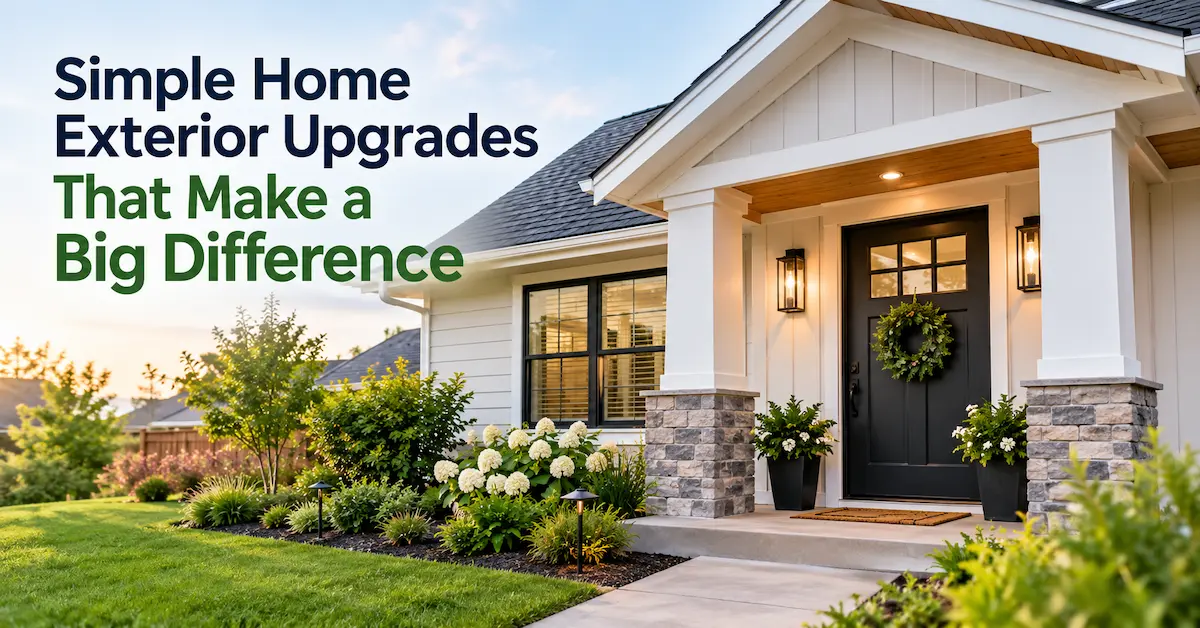
A beautiful home exterior does not always require expensive renovations or professional designers. Small improvements, such as refreshing the front door, adding plants, cleaning outdoor surfaces, and updating lighting, can make a property look more attractive. With a little planning, homeowners can create a welcoming outdoor space while staying within their budget. The key is to focus on simple changes that improve both appearance and daily comfort.
1. Refresh Your Front Door
The front door is one of the first things people notice when they approach a house. If it looks faded or outdated, a fresh coat of exterior paint can make a noticeable difference. Choose a color that works well with the walls, roof, and window frames.
Neutral colors create a calm and timeless appearance, while darker shades can add contrast and character. You can also clean the door handle, polish existing hardware, or replace worn fittings to create a more finished look.
Before painting, remove dirt and loose paint, prepare the surface, and use a suitable exterior primer when needed. These small steps help the finish look neat and last longer.
2. Improve Your Front Yard Landscaping
A tidy front yard can make a home look cared for without requiring a complete landscape redesign. Start by removing weeds, trimming overgrown shrubs, collecting fallen leaves, and defining the edges of garden beds.
Adding a few well-placed plants can bring color and life to the entrance. Choose varieties that suit your local climate and the amount of sunlight your yard receives. Native plants are often a practical choice because they can adapt well to local conditions.
If you have limited space, use pots near the entrance or arrange small plants along a walkway. Keep the design simple, and avoid overcrowding the area. A balanced layout is often easier to maintain and looks more attractive throughout the year.
3. Upgrade Outdoor Lighting
Outdoor lighting can improve the appearance of your home after sunset while helping people move safely around entrances and pathways. Old or damaged fixtures may make an otherwise attractive exterior look neglected.
Consider adding suitable lights near the front door, garage entrance, or garden path. Solar-powered pathway lights can be useful where sunlight is available, while wall-mounted fixtures can highlight the entrance.
Choose lighting that matches the home’s style and provides enough brightness for its purpose. Warm light can create a comfortable atmosphere, while focused lighting can help illuminate steps and walking areas.
For electrical work, use outdoor-rated equipment and hire a qualified electrician when necessary. Proper installation is important for safety, especially in areas exposed to rain and moisture.
4. Keep Exterior Surfaces Clean
Dirt, dust, mold, and stains can make a house appear older than it really is. Regular cleaning is one of the simplest ways to improve its appearance without buying new materials.
Wash exterior windows, clean the front steps, remove dirt from the porch, and sweep driveways and walkways. Check gutters for leaves and other debris, and make sure rainwater can flow away from the property.
Use cleaning methods that suit the surface. For example, delicate siding, painted wood, and older masonry may require gentler treatment than concrete. High-pressure washing can damage some materials if used incorrectly.
If you notice persistent mold, damaged paint, or signs of water entering the building, address the underlying problem instead of covering it with a cosmetic fix.
5. Add Simple Decorative Details
Small decorative elements can give a home more personality without changing its structure. Updated house numbers, a clean mailbox, matching planters, or a simple welcome sign can help create a coordinated appearance.
Try to repeat a few colors or finishes across the exterior. For example, black house numbers may work well with black door hardware and matching outdoor light fixtures. Wooden planters can complement natural stone or neutral walls.
However, decoration should not make the entrance crowded. Leave enough room for people to walk comfortably, open doors, and carry bags. Choose items that are suitable for outdoor conditions so they can handle sunlight, wind, and rain.
6. Make the Porch More Inviting
A porch can serve as a comfortable place to relax and welcome visitors. Even a small entrance can feel more inviting with a clean doormat, one or two planters, and a simple seating option where space allows.
If you have a larger porch, consider weather-resistant chairs or a small outdoor table. Use cushions made for outdoor conditions, and store them during severe weather to help them last longer.
Keep the porch organized and avoid placing furniture where it blocks the doorway or walking path. A clear, functional layout will usually look better than a space filled with too many decorative items.
7. Repair Small Problems Before They Grow
Exterior design is not only about decoration. Basic maintenance protects the home and helps prevent small problems from becoming expensive repairs.
Inspect the roofline, gutters, exterior walls, window seals, and visible wooden surfaces from safe locations. Look for loose fittings, peeling paint, cracked sealant, and signs of moisture damage.
Repair minor issues promptly when it is safe to do so. For larger concerns, such as roof damage, structural cracks, or persistent leaks, consult a qualified professional.
It is also helpful to check the condition of fences, gates, and outdoor steps. These features contribute to the overall appearance of a property, but their safety and function should come before their visual appeal.
8. Plan Improvements According to Your Budget
You do not need to complete every project at once. A simple plan can help you spend money where it will make the greatest difference.
Begin by listing the areas that need attention. Separate essential repairs from optional decorative changes. Then estimate material costs and decide which projects you can complete yourself.
For example, cleaning windows, trimming plants, and refreshing a doormat may cost very little. Painting a front door or replacing outdoor fixtures may require a larger budget. Major roof, siding, or drainage work should be planned separately.
Compare prices before buying supplies, and avoid choosing materials based only on their appearance. Durability, maintenance needs, and suitability for the local climate are also important.
Homeowners looking for more practical decorating inspiration can explore home exterior hacks decoradhouse for ideas that may help them plan a fresh and welcoming outdoor space.
9. Choose a Consistent Exterior Style
A home often looks more attractive when its colors, materials, and decorative details work together. You do not need to follow every new design trend to create a stylish exterior.
Start with the home’s existing features, such as brickwork, roof color, windows, and pathways. Choose a small group of complementary colors rather than adding too many different shades.
For a modern appearance, simple lines, uncluttered entrances, and coordinated hardware can work well. For a traditional home, classic planters, natural materials, and understated lighting may be a better fit.
The goal is to improve the existing design instead of making changes that feel disconnected from the rest of the property.
10. Maintain the Results Throughout the Year
Even the best exterior improvements need regular care. A seasonal maintenance routine can help your home remain attractive and reduce the chance of unexpected problems.
In spring, clean outdoor surfaces, inspect winter damage, and prepare garden beds. During summer, water plants as needed and check painted surfaces for signs of wear. In autumn, clear fallen leaves and gutters. Before winter, secure loose outdoor items and address drainage or sealing problems.
Adjust these tasks to your local weather and the materials used around your home. A little regular attention can help preserve the appearance of your improvements and make future maintenance easier.
Conclusion
Improving your home’s exterior does not have to involve a major renovation. A refreshed front door, healthy plants, clean walkways, suitable lighting, and simple decorative details can make a meaningful difference. By addressing maintenance issues first and planning upgrades according to your budget, you can create an exterior that looks welcoming and remains practical over time.
Focus on one project at a time, choose materials that suit your home, and maintain the results regularly. Small, thoughtful improvements can help make your property a more comfortable and attractive place to live.
