

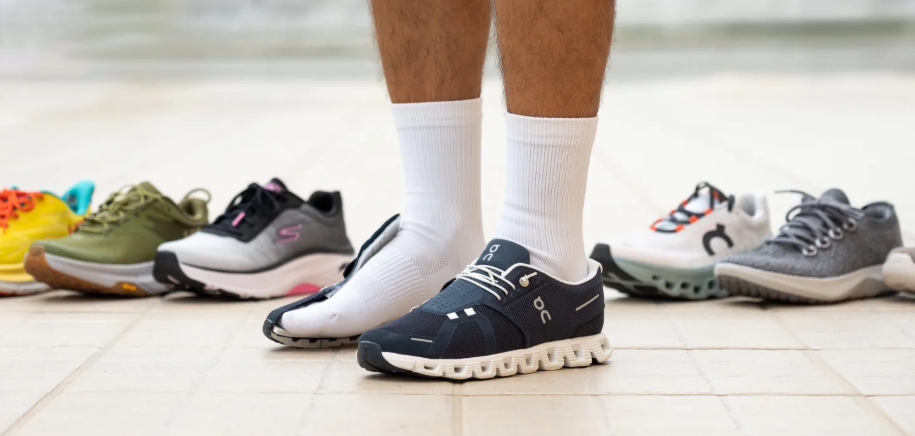
Long-distance walking sounds simple until the shoes get involved.
At the start, everything feels optimistic. The weather is decent. The route looks manageable. The playlist is ready. The first few steps are easy enough. Then, somewhere around the middle of the walk, the truth appears. A heel starts rubbing. The toes feel trapped. The arch begins making complaints. The sole feels harder than it did in the shop. Suddenly, the walk is less about fresh air and more about negotiating with your own feet.
That is why walking trainers deserve more attention than people usually give them.
A good pair is not just a casual trainer with a comfortable label attached. Long-distance walking asks more from footwear. It needs cushioning that lasts, support that does not collapse, enough room for the foot to move naturally, grip for changing surfaces and materials that can handle hours of use without turning the inside of the shoe into a small, sweaty argument.
The right features can make walking feel easier, steadier and more enjoyable. The wrong shoes can turn a healthy habit into something your feet remember for all the wrong reasons.
Comfort Is Not One Feature
When people say a trainer is comfortable, they often mean it feels soft when first tried on. That is nice, but it is not enough.
Real walking comfort is built from several things working together. The shoe needs the right fit. It needs a shape that suits the foot. It needs cushioning under pressure, not just foam that feels pleasant for ten seconds. It needs support through the arch and heel. It needs enough space around the toes. It needs a sole that grips properly.
Long-distance comfort is different from shop-floor comfort.
A trainer can feel wonderful while standing in front of a mirror and still fail after five miles. That is because walking creates repeated movement. The foot lands, rolls, pushes off and adjusts thousands of times. A small fit issue becomes bigger with every step.
This is why smart walking trainers are designed around the full walk, not just the first impression.
The First Smart Feature: Proper Width
Width is one of the most overlooked parts of walking footwear.
Many people buy trainers based mainly on length. If the toes are not touching the front, they assume the fit is correct. But a shoe can be long enough and still too narrow. When that happens, the sides of the foot get squeezed, the toes feel crowded and pressure builds across the forefoot.
During long-distance walking, feet can swell slightly. Heat, movement and time all play a part. A trainer that feels snug at the beginning may feel tight later. That is why width options matter.
A proper wide-fit trainer gives the foot room where it needs it without making the whole shoe loose. The heel should still feel secure. The midfoot should still feel controlled. The toe area should allow natural movement.
This is especially useful for men with wide feet, bunions, flat feet, swelling or sensitive toes. But even people who do not think of themselves as having wide feet may benefit from extra space during long walks.
A walking trainer should not make the front of your foot feel like it has been packed for storage.
A Roomy Toe Box Makes Miles Easier
The toe box is the front section of the trainer. It is also where many long-walk problems begin.
A narrow toe box pushes the toes together. That can cause rubbing, pressure, numbness and irritation. On short walks, this may be only mildly annoying. On long walks, it can become the one thing you cannot stop thinking about.
A roomy toe box allows the toes to spread more naturally when the foot bears weight. This helps with comfort and balance. It also gives the foot a little more room when swelling appears later in the walk.
For downhill walking, toe space becomes even more important. The foot may slide forward slightly with each step. If there is not enough room, the toes press against the front or sides of the shoe. That is how a pleasant walk can become a toenail-themed tragedy.
The best walking trainers offer space in the front without feeling sloppy. The foot should not slide around. It should feel held, but not squeezed.
That is the balance to look for.
Cushioning That Does Not Give Up Too Early
Cushioning is one of the features people notice first, and for good reason. Long walks on pavements, park paths, hard floors or compact trails can create a lot of repeated impact.
Good cushioning softens that impact. It helps reduce the harsh feeling that travels through the feet, knees, hips and lower back. For people who walk daily, commute on foot or spend weekends covering longer routes, this matters.
But not all cushioning is equal.
Some trainers feel soft at first but compress quickly. Others are so soft that they make the foot feel unstable. The ideal walking trainer should feel cushioned but controlled. It should soften impact without making each step feel wobbly.
Think of it as supportive softness. Not a marshmallow. Not a brick. Something in between.
Long-distance walking needs cushioning that stays useful after the first mile. If the shoe feels flat or tired halfway through the route, it is not doing enough.
Arch Support for Better Pressure Control
Arch support is not only for people with foot problems.
The arch helps distribute weight and manage movement as the foot rolls through each step. Without enough support, the foot may tire faster. Some walkers feel this as soreness under the foot. Others notice heel discomfort, knee strain or general leg fatigue.
A good walking trainer should support the arch in a natural way. It should not feel like a hard object pressing into the foot. It should guide the foot and help reduce unnecessary strain.
This can be especially useful for people with flat feet, plantar fasciitis, overpronation or tired arches. But even regular walkers without a diagnosis can benefit from better support over distance.
Long walks are repetitive. That is the key point. A small lack of support repeated thousands of times can become a large discomfort by the end of the day.
Support is not glamorous. It is one of those features you appreciate most when it is missing.
Heel Stability for a More Secure Walk
The heel area plays a bigger role than many walkers realise.
If the heel slips inside the trainer, the foot moves too much. That can create rubbing at the back of the shoe and make the whole walk feel less secure. If the heel area is too soft or poorly shaped, the rearfoot may feel unstable.
A good walking trainer should hold the heel without squeezing it. The back of the shoe should feel secure, and the collar should not rub or dig into the skin.
Heel stability also helps with alignment. When the heel is better controlled, the foot often moves more smoothly through each step. This can reduce the feeling of wobbling or overworking the ankles.
This is particularly important on uneven ground, kerbs, slopes, gravel paths and long urban routes where the surface keeps changing.
A trainer that lets the heel drift around is not relaxed. It is careless.
Grip That Matches Real Walking Conditions
Walking trainers do not need to look like mountain boots, but they do need proper grip.
Long-distance walking rarely happens on one perfect surface. A route may include pavement, grass, gravel, wet leaves, tiled station floors, canal paths, parks, slopes and road crossings. Even a city walk can become slippery after rain.
A good outsole should provide traction without feeling too heavy. The tread pattern should suit the surfaces you use most. For daily urban walking, a durable rubber sole with reliable grip may be enough. For park paths, countryside routes or mixed terrain, a slightly more rugged outsole can help.
Grip affects confidence. When the foot feels secure, the body moves more naturally. When the sole feels slippery, every step becomes cautious.
No one wants to spend a walk performing tiny emergency negotiations with wet pavement.
Breathable Materials Help Over Long Hours
Feet heat up during long walks. That is normal.
What matters is how well the trainer handles it. Poor ventilation can trap heat and moisture inside the shoe. Over time, that can increase discomfort and friction. Damp feet are more likely to rub, and rubbing is how blisters start making plans.
Breathable uppers, mesh panels and moisture-friendly linings can help keep the foot environment more comfortable. This is especially useful for summer walks, travel days, commuting or all-day wear.
However, breathability needs to be balanced with durability. A very light upper may feel airy but fail to provide enough support. A heavier upper may feel protective but too warm.
The best choice depends on how and where you walk. For mostly dry urban walking, breathability may be a priority. For wetter routes, water resistance may matter more.
Shoes, like weather, are full of compromises.
Water Resistance Without Turning the Shoe Into a Sauna
Long-distance walkers often meet rain, wet grass, puddles or damp pavements. A bit of water resistance can be useful, especially in the UK where “light drizzle” can become a personality trait.
Water-resistant trainers help keep the feet dry during ordinary wet conditions. This makes the walk more comfortable and reduces the risk of moisture-related rubbing.
But fully waterproof shoes may feel warmer and less breathable. That can be a problem in summer or during faster walks. The best option depends on the main use.
For daily walking in mixed weather, a trainer with some protective upper material and decent drying ability may be enough. For regular wet trails, stronger waterproofing may be worth considering.
The important thing is not to choose based on marketing words alone. Think about the conditions you actually walk in.
A waterproof shoe worn only on dry pavements may be unnecessary. A breathable mesh trainer worn through soaked grass may be an ambitious mistake.
Lightweight Design Reduces Fatigue
Weight matters more over distance.
A heavy trainer may feel solid at first, but after several miles the extra weight can become tiring. Each step lifts the shoe. Multiply that by thousands of steps and even a small difference begins to count.
A good walking trainer should be light enough for easy movement but not so light that it loses support. Some ultra-light shoes feel comfortable for short walks but lack the cushioning, structure or durability needed for longer distances.
The trick is finding balance. Lightweight does not mean flimsy. Strong does not have to mean heavy.
For long-distance comfort, the shoe should feel efficient. It should move with the foot rather than making the foot drag it along.
A walking trainer should not feel like exercise equipment attached to your exercise.
Flexible Where It Should Be, Firm Where It Must Be
Flexibility is another smart feature that often gets ignored.
A trainer should bend at the forefoot, where the foot naturally bends during push-off. If the sole is too stiff in the wrong place, walking can feel awkward. The foot has to work against the shoe instead of moving with it.
At the same time, the shoe should not twist too easily through the middle. Too much flexibility can reduce support and make the foot feel unstable.
The best walking trainers combine forefoot flexibility with midfoot structure. They allow natural movement while still giving the foot a stable base.
A simple test is to look at how the shoe moves. It should bend near the toes, not collapse in the middle like it has given up on responsibility.
Removable Insoles Add Flexibility
Removable insoles are a small feature with big practical value.
They allow walkers to use their own orthotics or preferred insoles if needed. They also make it easier to clean or replace worn insoles. For people with specific arch needs, heel discomfort or pressure points, this flexibility can be helpful.
Not every walker needs custom support, but having the option is useful. Feet vary. Walking habits vary. A trainer that allows some personal adjustment may serve more people better.
This is especially important for long-distance comfort because small pressure points can become major annoyances over time.
A removable insole is not exciting. Neither is a spare tyre until you need one.
Easy Fastening and Adjustability
Laces are still popular for good reason. They allow the fit to be adjusted across the foot. But some walkers prefer straps, slip-on designs or elastic systems, especially if they want convenience.
Whatever the closure, the trainer should hold the foot securely. It should not create pressure across the top of the foot, and it should allow adjustment if the foot swells during the day.
For people with high insteps, swelling or mobility issues, easy fastening can make a real difference. A shoe that is difficult to put on may not be worn regularly, even if it is comfortable once on.
Long-distance walking starts before the walk itself. If the shoe is already annoying while putting it on, that is not a promising beginning.
Durability in the Right Places
Walking trainers take repeated abuse.
The heel wears down. The midsole compresses. The upper flexes. The outsole meets pavement, grit, mud and whatever mysterious substance lives near bus stops. A long-distance trainer needs to be durable enough to survive regular use.
Look at the outsole, stitching, upper material and toe protection. Weak areas may fail quickly. A shoe that loses structure early can become uncomfortable even if it looked good when new.
Durability does not always mean rugged looks. A clean walking trainer can still be well built. The question is whether the materials and construction match the amount of walking you do.
If you walk daily, the shoe is not a casual accessory. It is working equipment with laces.
Style Still Has a Role
Walking trainers need to work, but they also need to be wearable.
Many people use the same trainers for walking, commuting, errands, travel and casual days. That means style matters. A trainer that looks too technical may not suit daily outfits. A trainer that looks stylish but lacks support may fail the moment the walking gets serious.
Modern walking shoes are getting better at balancing the two. They can look casual and clean while still offering width options, cushioning, grip and support.
When browsing recommended walking trainers, the goal should be to find a pair that fits your routine, not just your feet. A shoe that works with jeans, joggers, walking trousers or travel clothes is more likely to be worn often.
The best walking trainer is the one you do not keep saving for “proper walks”. It should be useful enough for ordinary days too.
How to Test Walking Trainers Before a Long Route
Do not take brand-new trainers on a long-distance walk and hope for the best.
That is how blisters become part of the story.
Wear them on shorter routes first. Try pavements, slopes and uneven paths if possible. Notice whether the heel slips, the toes feel crowded, the arch feels wrong or the sole feels unstable.
Test them with the socks you plan to wear. Socks change the fit more than people think. Thick walking socks may need more room. Thin socks may reduce bulk but offer less padding.
Try trainers later in the day if your feet swell. Walk around for more than a few minutes before deciding. Standing still tells you very little about walking comfort.
A trainer that feels questionable after ten minutes indoors is unlikely to become heroic after ten miles.
Red Flags to Avoid
Avoid trainers that pinch across the forefoot. Avoid shoes that make your toes feel cramped. Avoid heel slipping that does not improve with lacing. Avoid soles that feel slippery on smooth surfaces. Avoid shoes that feel too soft and unstable.
Also avoid the belief that pain is normal at first. Some shoes soften with wear, but long-distance walking trainers should not hurt from the start.
Numbness, sharp pressure, rubbing, hot spots or pain are not signs of a shoe “breaking in”. They are signs the shoe is wrong for your foot.
Your feet are giving feedback. They may not phrase it politely, but they are usually correct.
Final Thoughts
Smart walking trainers are not about gimmicks. They are about useful features that make long-distance comfort possible.
Proper width gives the foot room. A roomy toe box reduces pressure. Cushioning softens impact. Arch support helps manage fatigue. Heel stability improves control. Grip supports confidence. Breathability helps over long hours. Durability keeps the shoe working after the first few walks.
The best walking trainer brings these features together in a way that suits your foot and your route.
Long-distance walking should feel steady, comfortable and enjoyable. It should not become a slow argument with your footwear.
Choose trainers that support the whole walk, not just the first step. Your feet will notice the difference long before you reach the end of the route.
