

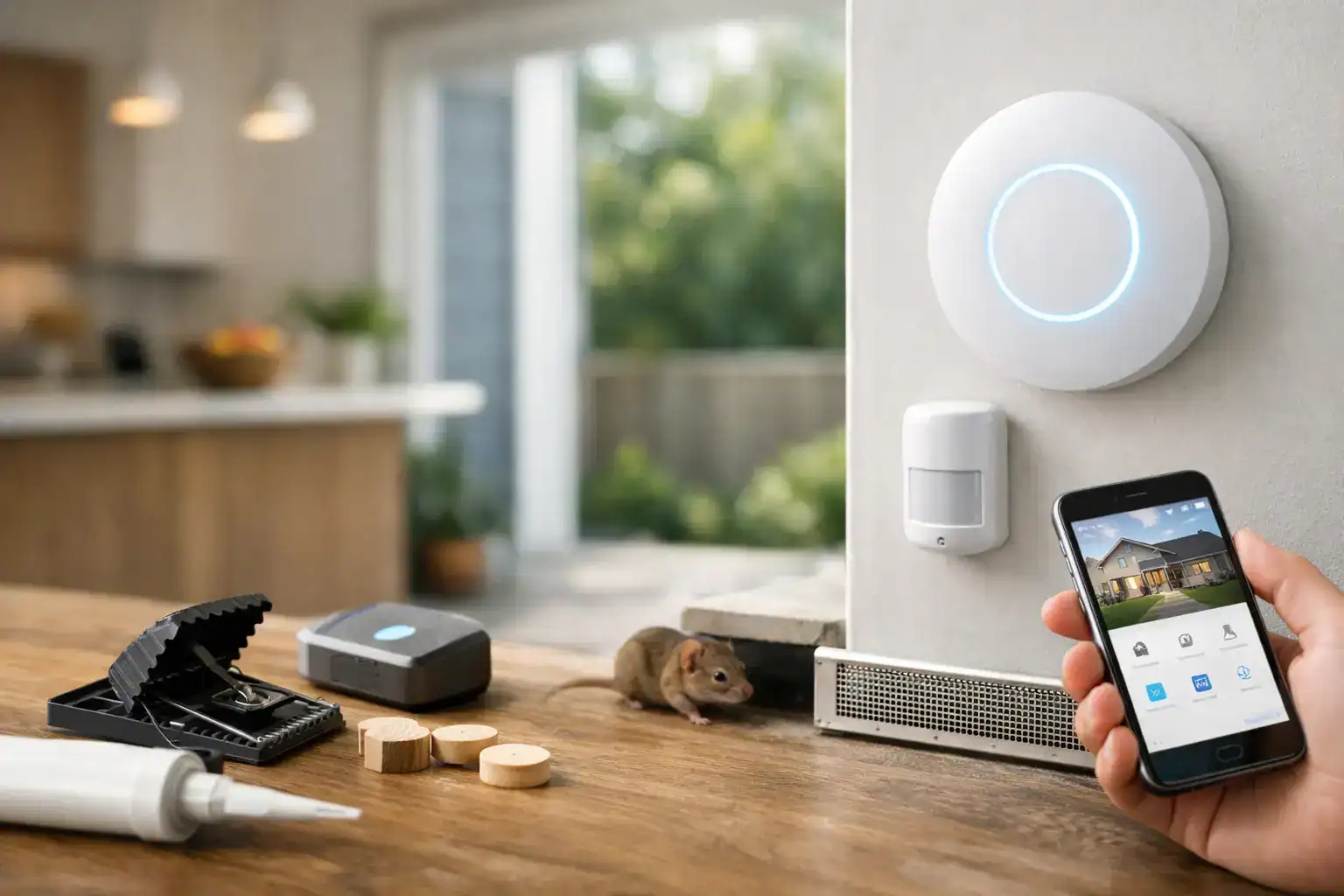
Smart technology has changed how people manage their homes. Homeowners can now monitor security cameras remotely, control lighting from their phones and receive alerts when a water leak is detected. However, one area that is often overlooked in modern home management is pest prevention.
Cockroaches, rodents, ants, termites and other pests can enter both older and newly built properties. Once inside, they may contaminate food areas, damage belongings, create unpleasant odours and establish nests in concealed spaces.
Homeowners who notice recurring signs of activity should consider arranging professional pest control in Sydney before the issue spreads throughout the property. Technology can help detect certain warning signs, but professional inspection and treatment are often required to address the source of an infestation.
By combining smart-home tools with practical maintenance, homeowners can build a more effective pest-prevention strategy.
How Technology Is Changing Home Maintenance
Traditional home maintenance often relies on visible signs of a problem. A homeowner may only investigate a leaking pipe after noticing water damage or call a pest controller after seeing insects inside the kitchen.
Smart devices can provide earlier warnings.
Connected sensors, cameras and monitoring systems can identify unusual movement, moisture changes or activity in areas that are not regularly inspected. These tools do not replace professional pest management, but they can help homeowners notice conditions that may attract pests.
Useful smart-home devices may include:
- Motion-activated cameras
- Water-leak sensors
- Smart door and window sensors
- Temperature and humidity monitors
- Connected lighting systems
- Smart rubbish-bin alerts
- Digital home-maintenance applications
When used properly, these tools can help homeowners respond before a small issue develops into a major problem.
Use Cameras to Monitor Pest-Prone Areas
Home security cameras are mainly installed to deter intruders and monitor deliveries. However, they can also help identify animal and pest activity around the property.
Outdoor cameras may capture rodents moving near rubbish bins, sheds, garages or garden beds. Cameras positioned near rooflines may reveal possums, birds or rodents accessing the building through damaged sections.
Motion-activated cameras can be especially useful in areas that are difficult to monitor manually, including:
- Side pathways
- Under decks
- Garages
- Roof access points
- Outdoor storage areas
- Rubbish-bin enclosures
- Garden sheds
Indoor cameras may also help monitor suspected rodent activity when homeowners hear scratching noises but cannot identify the source.
However, seeing a rodent on camera does not reveal where it is nesting or how it entered. A qualified pest controller may still need to inspect roof cavities, wall spaces and exterior entry points.
Install Smart Water-Leak Sensors
Moisture is one of the most common conditions attracting household pests.
Cockroaches and ants may be drawn to leaking pipes, damp cupboards and standing water. Excess moisture can also damage timber and create favourable conditions for mould and certain insects.
Smart leak sensors can be placed near:
- Kitchen sinks
- Bathroom vanities
- Washing machines
- Dishwashers
- Hot-water systems
- Refrigerators
- Air-conditioning units
- Laundry connections
These devices send an alert when they detect water, allowing the homeowner to investigate quickly.
Fixing a small plumbing leak can help prevent structural damage while removing a potential water source for pests. Humidity sensors may also be useful in bathrooms, subfloors and storage areas where damp conditions can develop unnoticed.
Monitor Doors and Windows
Pests often enter through surprisingly small openings around doors, windows, vents and service pipes.
Smart door and window sensors can alert homeowners when an entry point has been left open. This may be particularly useful for garage doors, balcony doors and less frequently used windows.
Technology alone will not stop insects or rodents from entering through structural gaps. Homeowners should also inspect:
- Damaged flyscreens
- Gaps beneath doors
- Cracks around window frames
- Openings around plumbing pipes
- Loose vents
- Damaged roof tiles
- Spaces around garage doors
- Cracks in exterior walls
Door sweeps, mesh screens and appropriate sealants may help close smaller gaps. Larger openings or damaged building materials may require professional repairs.
Manage Food and Rubbish More Effectively
Food residue and household waste are major pest attractions.
Smart kitchen appliances and reminder applications can help homeowners maintain more consistent cleaning routines. For example, reminders can be scheduled for emptying bins, cleaning behind appliances or inspecting pantry products.
Some smart rubbish systems can notify users when a bin is full or has been left open. While this may seem like a minor convenience, securely closing rubbish bins can help reduce access for flies, cockroaches and rodents.
Practical food-storage habits remain essential:
- Store pantry goods in sealed containers.
- Clean food spills promptly.
- Avoid leaving dirty dishes overnight.
- Keep pet food covered when not in use.
- Regularly clean under refrigerators and ovens.
- Remove overripe fruit from kitchen benches.
- Empty indoor rubbish bins frequently.
- Keep outdoor bins closed and clean.
Smart technology works best when it supports good household habits rather than replacing them.
Use Digital Maintenance Schedules
Many pest problems develop because routine property-maintenance tasks are forgotten.
A digital calendar or home-management application can be used to schedule:
- Gutter cleaning
- Garden maintenance
- Plumbing inspections
- Roof checks
- Flyscreen repairs
- Pantry clean-outs
- Rubbish-bin cleaning
- Pest inspections
- Termite inspections
- Garage and storage-area decluttering
Creating recurring reminders makes it easier to maintain areas that may otherwise be neglected.
For example, blocked gutters can retain moisture and organic debris, while overgrown vegetation can provide shelter and pathways for pests. Regular maintenance reduces these favourable conditions.
Keep Gardens Away From Exterior Walls
Smart irrigation systems can improve water efficiency, but incorrect settings may contribute to excessive moisture around the building.
Sprinklers should not continuously soak exterior walls, foundations or timber structures. Garden beds should also drain correctly so water does not collect near the property.
Homeowners should:
- Trim shrubs away from walls.
- Cut back branches touching the roof.
- Remove fallen leaves and garden waste.
- Store firewood away from the building.
- Avoid excessive mulch against the property.
- Keep outdoor drains clear.
- Remove unused containers that collect rainwater.
- Inspect irrigation systems for leaks.
Outdoor cameras and moisture sensors may help monitor these areas, but physical inspection remains important.
Recognise the Warning Signs of an Infestation
Even with smart monitoring, homeowners should understand the traditional signs of pest activity.
Possible warning signs include:
- Rodent droppings
- Scratching noises at night
- Damaged food packaging
- Grease marks along walls
- Cockroaches appearing during daylight
- Ant trails repeatedly returning
- Increased spider webs
- Unexplained odours
- Small piles of insect wings
- Hollow-sounding timber
- Mud-like tubes near walls or foundations
- Pest activity in several rooms
Repeated sightings usually deserve further investigation. A professional Sydney pest control specialist can identify the pest species, locate possible nesting areas and assess how pests are entering the property.
Early action may reduce the risk of the infestation spreading into additional rooms, neighbouring areas or concealed building spaces.
Understand What Smart Pest Devices Can and Cannot Do
A growing number of electronic pest-repellent devices are available for residential use. These products may claim to discourage insects or rodents using ultrasonic frequencies or electromagnetic signals.
Homeowners should avoid relying entirely on one device when there is evidence of an established infestation.
The effectiveness of any pest-control method depends on several factors, including:
- The species involved
- The size of the infestation
- The layout of the property
- Available food and water
- Nesting locations
- Entry points
- Correct installation and use
Electronic devices cannot repair structural gaps, remove nests or eliminate food sources. They should not be treated as a substitute for a proper inspection and targeted treatment plan.
Why Professional Inspections Still Matter
Smart technology can identify motion, moisture and unusual activity, but it cannot always determine the full extent of a pest problem.
Professional pest controllers understand pest behaviour and know where different species are likely to hide. Depending on the issue, an inspection may include kitchens, bathrooms, garages, subfloors, roof cavities, exterior walls and garden areas.
A professional pest control company in Sydney may also provide advice about:
- Sealing entry points
- Reducing moisture
- Improving food storage
- Managing outdoor areas
- Removing nesting conditions
- Scheduling future inspections
Treatment can then be selected according to the pest, the property and the severity of the infestation.
Building a Smarter Pest-Prevention Strategy
The most effective pest-prevention plan combines technology, routine maintenance and professional assistance when required.
Cameras can reveal activity around the property. Leak sensors can identify moisture before it becomes a larger problem. Digital reminders can help homeowners keep up with cleaning, garden maintenance and inspections.
However, technology is only one part of the solution. Food must still be stored securely, rubbish must be managed properly and structural openings must be repaired.
By using smart-home tools to support practical prevention and responding quickly to early warning signs, homeowners can better protect their properties from unwanted pests.
