

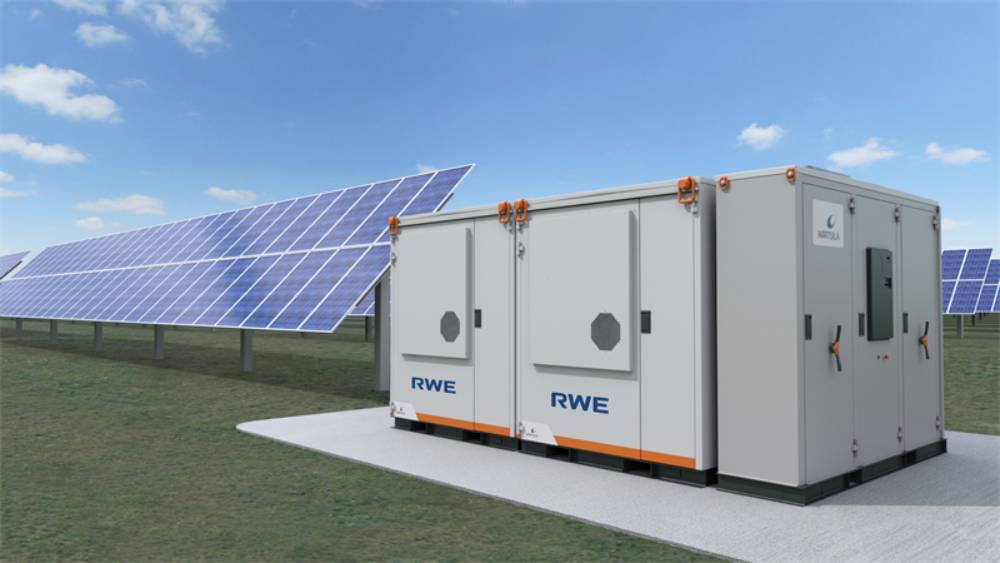
As the world moves toward cleaner and more sustainable energy sources, solar power has emerged as one of the most promising solutions. However, one of the biggest challenges of solar energy is its intermittent nature. Solar panels only generate electricity when sunlight is available, making energy storage a critical component of a reliable solar power system. Solar storage solutions address this challenge by capturing excess energy and making it available whenever needed.
Solar storage systems primarily rely on batteries to store the electricity generated by solar panels. During sunny hours, solar panels often produce more electricity than a home or business consumes. Instead of sending all surplus energy back to the grid, storage systems save it for later use. This stored energy can then power homes during the night, cloudy weather, or power outages, improving energy independence and reliability.
Battery technology has advanced significantly over the past decade. Lithium-ion batteries have become the most popular choice due to their high efficiency, long lifespan, and compact design. Compared to older lead-acid batteries, lithium-ion systems require less maintenance and provide better performance. As manufacturing scales increase and technology improves, battery costs continue to decline, making solar storage more accessible to homeowners and businesses.
One of the greatest benefits of solar storage solutions is energy resilience. In areas prone to grid failures or extreme weather events, stored solar energy can serve as a dependable backup power source. This capability ensures that essential appliances, communication devices, and critical systems remain operational even when the electrical grid is unavailable.
Solar storage also contributes to financial savings. By storing energy during periods of high solar production and using it during peak electricity pricing hours, consumers can reduce their utility bills. Businesses can further benefit by managing energy demand more effectively and avoiding costly peak-demand charges.
On a larger scale, solar storage supports the stability of electrical grids. As renewable energy adoption grows, energy storage helps balance supply and demand by storing excess power during high production periods and releasing it when demand rises. This flexibility reduces dependence on fossil-fuel-based power plants and supports a cleaner energy infrastructure.
Innovations in solar storage continue to shape the future of renewable energy. Emerging technologies such as solid-state batteries, flow batteries, and advanced energy management systems promise greater efficiency, safety, and storage capacity. Researchers are also exploring alternative materials and recycling methods to improve sustainability and reduce environmental impact.
In conclusion, solar storage solutions are transforming how energy is generated, stored, and consumed. By enhancing reliability, reducing electricity costs, and supporting renewable energy integration, these systems play a vital role in the global transition to sustainable power. As technology continues to advance, solar storage will become an even more important component of a resilient and environmentally responsible energy future.
