

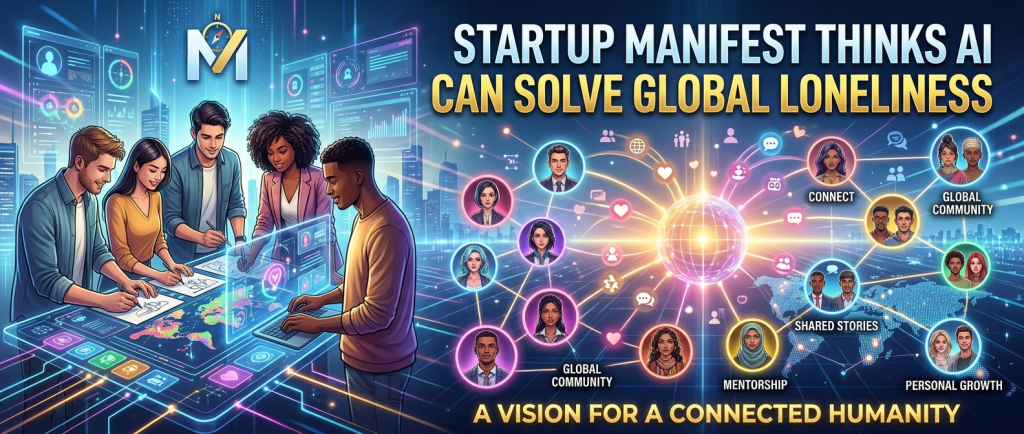
Loneliness has become one of the biggest social challenges of modern times. Social media, remote work, digital lifestyles, and reduced face-to-face interactions have changed how people connect with others. Young adults, in particular, often report feelings of isolation despite being constantly connected online. As a result, startups are increasingly turning toward artificial intelligence to offer emotional support and daily companionship. Manifest, a wellness startup founded by Amy Wu, believes technology can provide meaningful assistance during emotionally difficult moments. The company’s approach has sparked an important discussion about whether artificial intelligence can complement human relationships and support mental wellness in an increasingly disconnected world.
This article discusses Manifest’s vision, the loneliness crisis among younger generations, benefits and limitations of AI companionship, startup opportunities, ethical questions, and the future of emotional wellness technologies.
Why Loneliness Has Become a Global Crisis
Health experts across the world continue to warn that loneliness affects both mental and physical health. Although digital communication has expanded dramatically, genuine human interaction has declined in many communities.
Several factors contribute to this trend:
- Increased screen time replacing in-person interactions.
- Remote education and work reducing social engagement.
- Growing urban migration leading to weaker community bonds.
- Rising anxiety and stress among younger generations.
- Social media comparisons affecting self-esteem.
According to a Cigna study referenced in reports about Manifest, nearly three out of five adults experience loneliness regularly. Among individuals aged 18 to 22, the number rises to approximately 73 percent. These statistics highlight why entrepreneurs increasingly believe that AI can solve global loneliness in at least certain situations.
Manifest’s Mission to Support Emotional Wellness
Manifest was founded with a simple objective: make emotional wellness easier and more accessible. Amy Wu created the application after experiencing challenges while transitioning from university life into adulthood.
Instead of presenting itself as therapy, Manifest focuses on short daily wellness interactions. Users communicate through voice or text, and the system responds with affirmations, reflections, and personalized meditation sessions.
The app reportedly raised $3.4 million in seed funding from investors, including a16z Speedrun, signaling growing confidence in emotional wellness technology startups.
Manifest attempts to create a calming experience rather than a clinical one. The interface encourages users to discuss worries, stress, personal achievements, and daily emotions in a judgment-free environment.
Why Gen Z Is Turning Toward AI-Based Support
Gen Z grew up surrounded by smartphones, social networks, and instant messaging. Consequently, many younger users already feel comfortable discussing emotions through digital channels.
Manifest’s founder argues that wellness solutions should exist where younger people already spend most of their time—on mobile devices. This perspective has encouraged startup founders to build conversational systems designed for emotional support rather than productivity alone.
Similarly, many users appreciate several advantages:
- Immediate availability at any hour.
- No fear of social judgment.
- Privacy during sensitive conversations.
- Consistent daily interaction.
- Affordable wellness assistance.
Because of these benefits, some investors increasingly believe that AI can solve global loneliness for individuals seeking accessible emotional check-ins. However, most experts still stress that technology should supplement, not replace, human relationships.
Can Artificial Intelligence Provide Genuine Companionship?
The central debate remains straightforward: can software truly make someone feel less alone?
Admittedly, artificial intelligence cannot replicate human empathy completely. Human relationships involve shared experiences, physical presence, and emotional depth developed over time.
However, research increasingly suggests that digital conversations may provide temporary emotional relief. When users feel heard, validated, and supported, stress levels can decline.
Many wellness startups focus on creating those supportive interactions. Some users even form strong emotional attachments to conversational systems, whether through wellness applications, friendship chatbots, or even an AI girlfriend designed for companionship.
In comparison to traditional self-help resources, conversational systems offer interactive engagement rather than passive reading. This difference explains why the emotional AI sector continues growing rapidly.
Daily Micro-Interactions Could Matter
Manifest emphasizes brief, manageable interactions instead of lengthy counseling sessions. This approach recognizes that many individuals struggle to maintain consistent wellness routines.
A user may spend only a few minutes discussing worries before receiving affirmations and guided reflections. Consequently, emotional self-awareness may gradually improve over time.
Likewise, daily habits often shape long-term mental wellbeing. Small moments of encouragement can motivate healthier behaviors, including:
- Journaling regularly.
- Practicing gratitude.
- Managing stress proactively.
- Reflecting on achievements.
- Building emotional resilience.
Supporters argue that these consistent interactions demonstrate how AI can solve global loneliness in everyday contexts, particularly for people lacking immediate support networks.
Startups Are Racing Into Emotional AI
The emotional wellness market has become increasingly competitive. Startups are introducing companions, mental wellness coaches, and relationship assistants designed to provide ongoing support.
Investors recognize significant commercial opportunities because loneliness affects millions globally. Several companies are attempting to create highly personalized experiences using conversational AI.
Meanwhile, brands operating in adjacent sectors, including Secrets AI, continue attracting audiences interested in digital companionship experiences. Secrets AI illustrates how consumer demand for personalized interactions extends across multiple categories of AI products.
Despite strong market momentum, success depends heavily on user trust, safety, and responsible design.
Safety Measures Remain Essential
Manifest reportedly incorporates safeguards that redirect users toward professional resources when conversations involve self-harm or crisis situations. Certain sensitive topics may not receive direct responses from the system.
These protections remain crucial because emotional support technology operates within sensitive areas of human life.
Important safety practices should include:
- Crisis detection mechanisms.
- Referral pathways to licensed professionals.
- Transparent privacy policies.
- Age-appropriate safeguards.
- Continuous moderation and monitoring.
Even though many startups claim that AI can solve global loneliness, responsible boundaries are essential. Artificial intelligence should never replace emergency mental health care.
Human Relationships Still Matter Most
Technology can offer comfort, but genuine human relationships remain irreplaceable.
Friends, families, support groups, counselors, and local communities provide emotional depth that machines cannot fully reproduce. Physical presence, shared memories, and mutual care remain fundamental aspects of human wellbeing.
In spite of technological progress, emotional wellness experts generally recommend balancing digital support with real-world interactions.
Activities that strengthen social connection include:
- Participating in community events.
- Joining hobby groups.
- Volunteering regularly.
- Scheduling face-to-face conversations.
- Maintaining family relationships.
Artificial intelligence works best as an additional support layer rather than a complete substitute for social bonds.
New Questions About Ethics and Trust
As emotional AI expands, ethical concerns continue receiving attention.
Users often share deeply personal information during conversations. Consequently, companies must maintain strong privacy protections.
Questions currently shaping industry discussions include:
- How should emotional data be stored?
- Who owns conversation histories?
- How transparent should AI systems be?
- Can excessive dependence develop?
- Should children use emotional companions?
Similarly, products involving intimate conversations, including services focused on AI chat +18 interactions, require especially strict safeguards to protect users and prevent harmful experiences.
Companies including Secrets AI and other conversational platforms will likely face increasing expectations regarding transparency, moderation, and user safety as the sector matures.
What Comes Next for Emotional Wellness Startups?
Manifest reportedly achieved significant engagement, with users generating millions of interactions within the application. This early traction demonstrates growing interest in accessible emotional support technologies.
Future developments may involve:
- More personalized emotional coaching.
- Voice-first wellness companions.
- Integration with wearable devices.
- Improved mood detection systems.
- Collaboration with licensed professionals.
Clearly, startups will continue experimenting with innovative approaches. Secrets AI and similar companies operating in conversational AI spaces may also influence future expectations around personalization and emotional engagement.
Conclusion
Loneliness has emerged as one of society’s most pressing challenges, especially among younger generations. Manifest’s vision highlights how artificial intelligence may provide accessible emotional support through short, meaningful interactions. Although technology cannot replace genuine human relationships, it can offer encouragement, reflection, and companionship during difficult moments.
Responsible innovation, strong safeguards, and ethical design will determine long-term success. As emotional AI continues advancing, the discussion surrounding whether AI can solve global loneliness will remain central to the future of digital wellness.
