

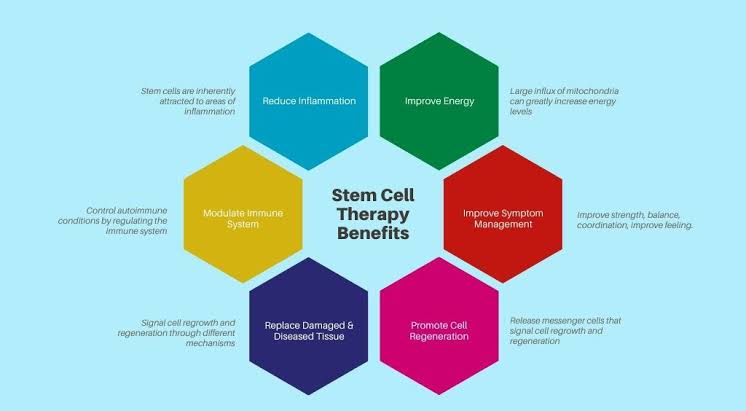
Stem cell therapy has become one of the most promising advancements in regenerative medicine. Researchers and healthcare professionals worldwide are exploring the remarkable potential of stem cells to repair damaged tissues, support healing, and improve the quality of life for patients with various medical conditions. As medical science continues to evolve, understanding stem cell benefits can help individuals make informed decisions about regenerative treatment options.
This article explores the major stem cell benefits, how stem cells work, their applications, and why regenerative medicine is shaping the future of healthcare. Also check this Nad Iv therapy
What Are Stem Cells?
Stem cells are unique cells that have the ability to develop into different specialized cell types within the body. Unlike ordinary cells, stem cells can divide, renew themselves, and contribute to tissue repair. Their regenerative properties make them valuable in treating injuries, degenerative conditions, and certain chronic diseases.
There are several types of stem cells used in research and clinical practice, including:
- Adult stem cells
- Mesenchymal stem cells (MSCs)
- Umbilical cord-derived stem cells
- Induced pluripotent stem cells (iPSCs)
The choice of stem cell depends on the patient’s condition and treatment goals. Also check this sports medicine
Top Stem Cell Benefits
1. Supports Natural Tissue Repair
One of the most significant stem cell benefits is their ability to support the body’s natural healing process. Stem cells can help regenerate damaged tissues by promoting the growth of healthy cells and releasing growth factors that aid recovery.
This regenerative ability may help restore function in tissues affected by injury, aging, or disease.
2. Reduces Joint Pain
Millions of people suffer from joint pain caused by osteoarthritis, sports injuries, or age-related degeneration. Stem cell therapy is being studied as a regenerative treatment that may reduce inflammation and support cartilage repair.
Potential benefits include:
- Reduced joint discomfort
- Improved flexibility
- Better mobility
- Increased physical activity
- Slower progression of tissue degeneration
Many patients consider regenerative therapies when conventional pain management methods no longer provide sufficient relief.
3. Promotes Cartilage Regeneration
Cartilage has limited healing capacity because it lacks its own blood supply. Stem cells may help stimulate cartilage repair by encouraging healthy cell growth and supporting the surrounding joint environment.
This makes regenerative medicine particularly interesting for treating knee, hip, shoulder, and ankle conditions.
4. Accelerates Recovery from Sports Injuries
Professional athletes and active individuals often seek treatments that support faster recovery without surgery.
Stem cell therapy is being explored for injuries involving:
- Ligaments
- Tendons
- Muscles
- Cartilage
- Soft tissues
Although recovery varies among individuals, regenerative medicine may support rehabilitation by promoting tissue healing.
5. Helps Reduce Inflammation
Chronic inflammation contributes to numerous health conditions, including arthritis, tendon injuries, and autoimmune disorders.
Stem cells release anti-inflammatory signaling molecules that may help regulate inflammation within damaged tissues.
Reducing inflammation may lead to:
- Less pain
- Improved movement
- Faster healing
- Better tissue function
6. May Delay the Need for Surgery
For certain orthopedic conditions, stem cell therapy may offer a minimally invasive option before considering surgery.
Patients with early-stage joint degeneration sometimes explore regenerative medicine as part of a comprehensive treatment plan.
While stem cell therapy cannot replace surgery in every situation, it may help some patients postpone more invasive procedures.
7. Supports Faster Healing
Stem cells produce growth factors that encourage cellular repair and blood vessel formation.
This may assist the body in healing after:
- Sports injuries
- Tendon damage
- Ligament tears
- Muscle strains
- Minor orthopedic injuries
Faster tissue recovery can help individuals return to normal activities sooner under proper medical supervision.
8. Enhances Overall Regenerative Health
Aging naturally reduces the body’s ability to repair damaged tissues.
One of the broader stem cell benefits is supporting regenerative health by encouraging healthy cellular activity and tissue maintenance.
Researchers continue studying how regenerative medicine may contribute to healthier aging and improved physical function.
Medical Conditions Being Studied
Stem cell therapy is being researched for a growing number of conditions, including:
- Osteoarthritis
- Knee pain
- Hip pain
- Shoulder injuries
- Tendon injuries
- Ligament damage
- Degenerative disc disease
- Peripheral nerve injuries
- Sports injuries
- Chronic musculoskeletal pain
Research continues to expand as scientists evaluate long-term safety and effectiveness.
Benefits Beyond Orthopedics
Although orthopedic applications receive significant attention, stem cells are also being investigated in other areas of medicine.
Research includes:
- Neurological disorders
- Autoimmune diseases
- Cardiovascular conditions
- Diabetes
- Skin regeneration
- Wound healing
- Hair restoration
Many of these applications remain under active clinical investigation.
Advantages of Stem Cell Therapy
Some commonly discussed advantages include:
- Minimally invasive procedures
- Personalized treatment approaches
- Reduced recovery time compared to major surgery
- Natural healing support
- Potential improvement in mobility
- Reduced dependence on pain medications
- Long-term regenerative potential
- Improved quality of life for selected patients
Treatment suitability varies depending on individual health conditions.
What Happens During Treatment?
Although protocols differ between clinics, the process generally involves:
Initial Consultation
A physician reviews medical history, symptoms, imaging studies, and treatment goals.
Assessment
Patients undergo a physical examination and may require additional diagnostic tests.
Stem Cell Preparation
Depending on the treatment plan, stem cells may be prepared from approved medical sources according to applicable regulations.
Injection Procedure
Stem cells are typically injected into the affected area using image-guided techniques for precision.
Recovery
Most patients resume light daily activities relatively quickly, although strenuous exercise may be limited during early healing.
Are Results Immediate?
Stem cell therapy does not usually provide instant results.
Because the treatment supports natural tissue repair, improvement often occurs gradually over several weeks or months.
The healing timeline depends on factors such as:
- Age
- Overall health
- Severity of the condition
- Lifestyle habits
- Rehabilitation program
Following medical advice can help optimize outcomes.
Who May Be a Candidate?
Potential candidates include individuals experiencing:
- Chronic joint pain
- Early osteoarthritis
- Sports injuries
- Tendon or ligament damage
- Soft tissue injuries
- Reduced mobility
However, not everyone is an appropriate candidate. A comprehensive evaluation by a qualified healthcare provider is essential before treatment.
Safety Considerations
Stem cell therapy should always be performed by experienced medical professionals following approved clinical standards.
Patients should discuss:
- Expected outcomes
- Potential risks
- Alternative treatments
- Recovery expectations
- Scientific evidence supporting the recommended therapy
Choosing a reputable regenerative medicine clinic is an important part of ensuring safe care.
Current Research
The field of regenerative medicine is advancing rapidly.
Clinical studies continue exploring:
- Improved stem cell preparation techniques
- Better delivery methods
- Long-term patient outcomes
- New disease applications
- Enhanced regenerative effectiveness
As research progresses, stem cell therapies may become increasingly refined and widely available.
Lifestyle Habits That Support Regenerative Health
To maximize the benefits of regenerative treatments, healthcare providers often recommend:
- Eating a balanced, nutrient-rich diet
- Maintaining a healthy weight
- Regular physical activity
- Adequate sleep
- Managing stress
- Staying hydrated
- Avoiding smoking
- Limiting excessive alcohol consumption
Healthy lifestyle choices complement the body’s natural healing processes.
Conclusion
The growing interest in stem cell benefits reflects the exciting progress being made in regenerative medicine. From supporting tissue repair and reducing joint pain to promoting recovery from sports injuries and improving mobility, stem cell therapy offers promising possibilities for individuals seeking innovative treatment options.
While research continues to expand, it is important to understand that outcomes vary between patients and not every condition can be treated successfully with stem cells. A thorough medical evaluation, accurate diagnosis, and personalized treatment plan are essential for achieving the best possible results.
As regenerative medicine continues to evolve, stem cell therapy is expected to play an increasingly important role in modern healthcare, offering hope for improved healing, enhanced function, and a better quality of life for many patients.
