

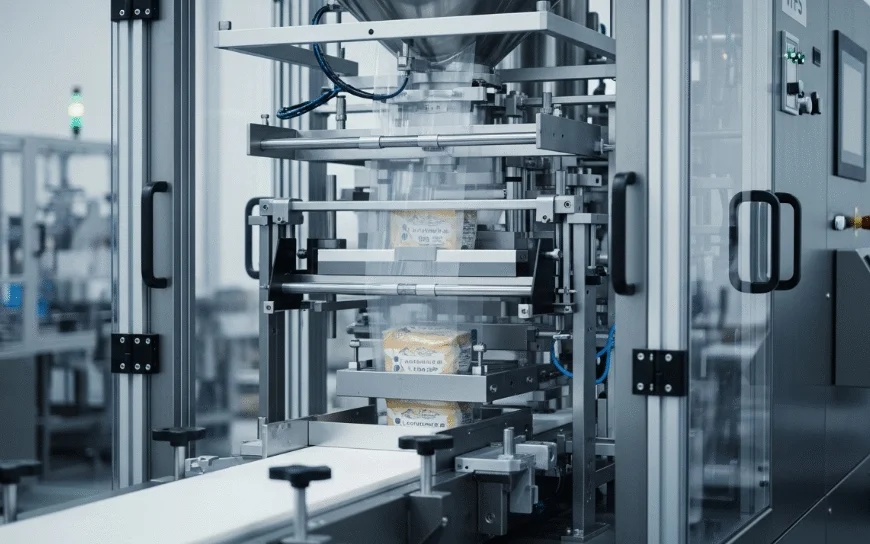
A stoppering machine is an essential piece of equipment used in the packaging industry to insert stoppers or closures into containers such as vials, bottles, and ampoules. These machines play a critical role in industries like pharmaceuticals, cosmetics, food and beverage, and chemicals, where product safety, sterility, and sealing precision are extremely important.
In simple terms, a stoppering machine ensures that containers are tightly sealed after filling, preventing contamination, leakage, and product degradation. This step is especially crucial in pharmaceutical production, where even minor exposure to air or microbes can compromise the quality and safety of medicines.
Modern stoppering machines are designed with advanced automation technology to improve speed, accuracy, and consistency. They can handle large volumes of containers with minimal human intervention, which reduces labor costs and increases production efficiency. Depending on the production scale, these machines may be fully automatic, semi-automatic, or manually assisted systems.
One of the key features of a stoppering machine is its precision control system. It ensures that each stopper is placed correctly and with the right amount of pressure. Too much force can damage the container or product, while too little force can result in improper sealing. Therefore, the machine must maintain a perfect balance for every cycle.
In pharmaceutical industries, stoppering machines are often integrated into sterile production lines. They work in controlled environments such as cleanrooms to maintain hygiene standards. Many machines are also compatible with rubber stoppers, silicon closures, and plastic caps, depending on the product requirements.
Another important advantage of stoppering machines is their adaptability. They can be adjusted to handle different container sizes and shapes, making them suitable for diverse production needs. This flexibility allows manufacturers to use a single machine for multiple product lines, improving cost efficiency.
Safety is also a major consideration in the design of stoppering machines. Modern systems come equipped with sensors and monitoring devices that detect misalignment, missing stoppers, or mechanical errors. If any issue is detected, the machine automatically pauses operation to prevent defects or product loss.
In addition to efficiency and safety, stoppering machines also contribute to maintaining regulatory compliance. Industries such as pharmaceuticals must follow strict guidelines set by authorities like GMP (Good Manufacturing Practices). Automated stoppering systems help manufacturers meet these standards by ensuring consistent sealing quality and reducing human error.
The evolution of stoppering machines has been driven by increasing demand for high-speed production and higher quality assurance. Earlier manual methods were slow and prone to inconsistencies, but modern machines now offer precision engineering combined with digital control systems, making them highly reliable.
In conclusion, a stoppering machine is a vital component of modern packaging and production systems. It ensures product integrity, improves efficiency, and supports large-scale manufacturing across various industries. As technology continues to advance, these machines are expected to become even more intelligent, faster, and more energy-efficient, further strengthening their role in industrial automation.
