

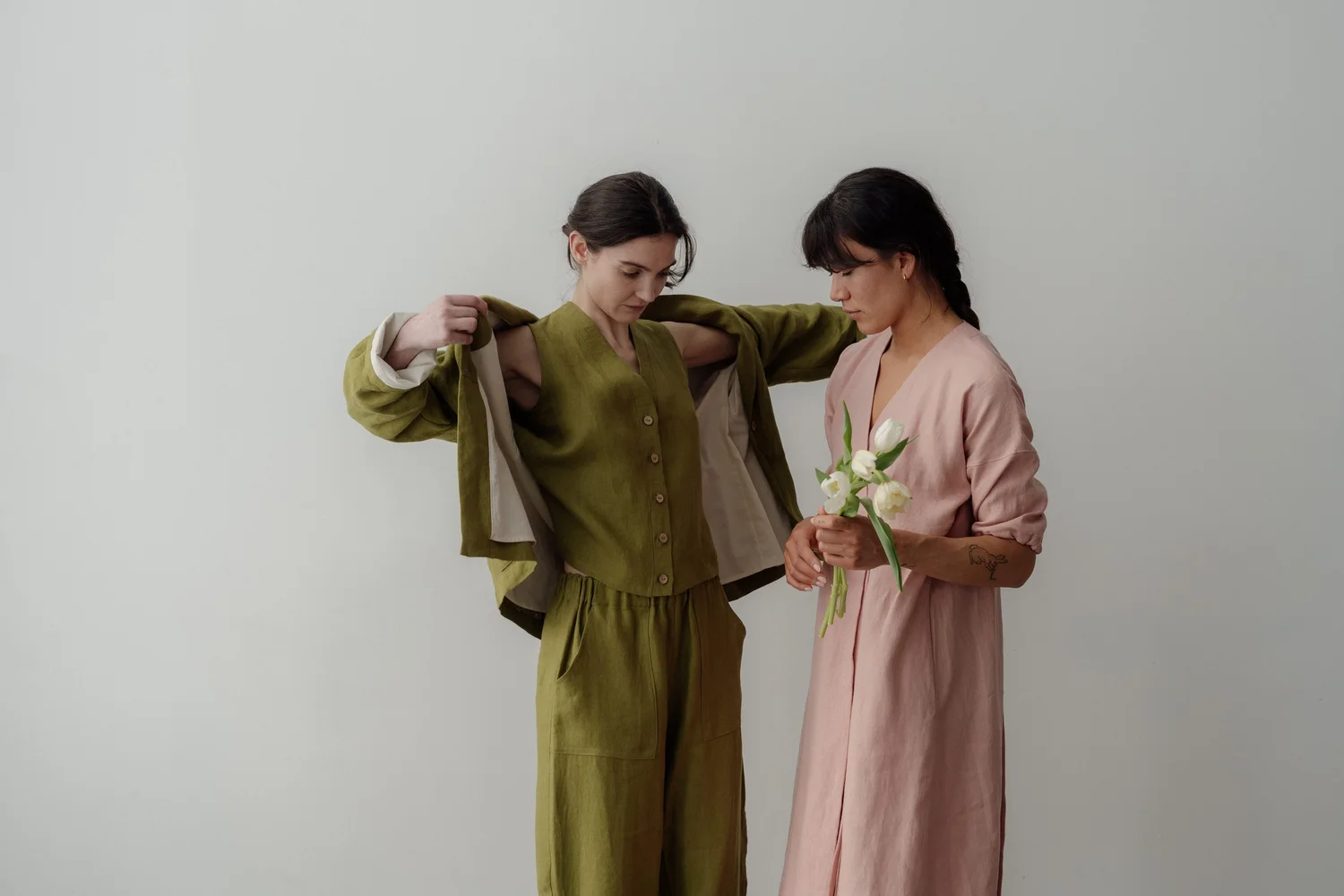
Sustainable fashion has moved from a niche concept to a major industry focus. In 2026, both consumers and clothing brands are paying closer attention to how garments are made, what materials are used, and how long products last. This shift is not only driven by environmental concerns but also by changing buying habits. People are becoming more selective, choosing quality pieces over disposable fashion.
The fashion industry has historically been one of the largest contributors to waste and pollution. High water usage, textile waste, and synthetic materials have raised serious concerns. As awareness grows, brands are adjusting their production strategies. Sustainable fashion now includes better fabrics, responsible sourcing, and long-lasting designs that reduce frequent replacement.
The Shift Toward Quality Over Quantity
One of the biggest changes in 2026 is the focus on durability. Consumers are no longer interested in clothing that loses shape after a few washes. Instead, they prefer well-made basics that remain wearable for a long time. This has encouraged brands to invest in stronger stitching, better fabric blends, and improved construction.
Retailers are also adapting to this change. Instead of stocking large quantities of low-quality items, they are focusing on reliable essentials. This approach reduces returns and builds customer trust. Many clothing businesses now rely on consistent wholesale options that provide dependable quality.
This is where demand for bulk Next Level Apparel has increased among retailers looking for premium basics. These types of garments are known for soft fabrics, better fit, and long-lasting performance, making them suitable for both resale and branding. Bulk sourcing also allows businesses to maintain consistency across their collections.
Suppliers like Apparel O Clock help retailers access curated apparel that meets these expectations. By offering dependable basics, they support brands that want to move toward sustainable and long-lasting clothing.
Eco-Friendly Fabric Choices
Fabric selection plays a major role in sustainable fashion. Many brands are switching to materials that require fewer resources and produce less waste. Organic cotton, recycled polyester, and blended fabrics designed for durability are becoming more common.
These fabrics not only reduce environmental impact but also improve comfort. Breathable materials and soft textures enhance the overall customer experience. As a result, sustainable clothing is no longer seen as a compromise but as a better alternative.
Longer Product Life Cycles
Sustainable fashion encourages consumers to buy less frequently. Instead of replacing items every season, shoppers are investing in versatile pieces that can be worn year-round. Neutral colors, timeless designs, and high-quality basics support this trend.
Retailers are responding by focusing on core wardrobe essentials. T-shirts, hoodies, and layering pieces are designed to stay relevant for longer periods. This reduces unsold inventory and improves profitability.
The Role of Wholesale Apparel
Wholesale sourcing has become an important part of sustainable fashion. Buying in bulk reduces packaging waste and shipping frequency. It also allows businesses to maintain consistent product lines without constant redesigns.
Retailers working with suppliers like Apparel O Clock can build collections around dependable basics. These garments can be customized, layered, or styled in multiple ways, which extends their usability.
Bulk purchasing also supports private-label brands that want to create long-term collections instead of short-lived trends. This approach aligns with the principles of sustainable fashion.
Consumer Awareness in 2026
Modern consumers are more informed than ever. They read product descriptions, check fabric details, and consider durability before making purchases. This awareness is pushing brands to improve transparency and quality.
Customers are also leaning toward minimalist wardrobes. Instead of owning many items, they prefer fewer pieces that work together. This shift benefits retailers who focus on versatile apparel.
Reduced Waste Through Better Design
Design plays a key role in sustainability. Simple cuts, neutral colors, and adaptable fits allow clothing to remain relevant for longer. Brands are avoiding overly trendy elements that quickly go out of style.
This design philosophy supports layering and cross-season wear. A well-made t-shirt can be worn alone in summer or layered in winter. This versatility reduces the need for frequent purchases.
Private Label and Sustainable Growth
Small clothing brands are embracing sustainable practices from the start. By sourcing blank apparel and adding custom branding, they reduce manufacturing waste. This model also allows them to test demand before expanding production.
Suppliers like Apparel O Clock provide the flexibility needed for this approach. Retailers can order dependable basics, customize them, and build a brand without overproducing.
The Future of Sustainable Fashion
Sustainable fashion will continue to grow in importance. Regulations, consumer awareness, and environmental concerns will push brands to adopt responsible practices. Durability, versatility, and quality will define future clothing collections.
Retailers that invest in long-lasting basics and dependable suppliers will benefit from this shift. Bulk sourcing options such as bulk Next Level Apparel help businesses maintain consistent quality while supporting sustainable fashion goals.
Conclusion
Sustainable fashion in 2026 is about smarter choices, better materials, and longer-lasting garments. Consumers want clothing that offers comfort, durability, and versatility. Retailers are responding by focusing on reliable basics and responsible sourcing. By working with suppliers like Apparel O Clock and building collections around dependable options such as bulk Next Level Apparel, businesses can align with modern expectations while staying competitive in the evolving fashion industry.
