

Introduction
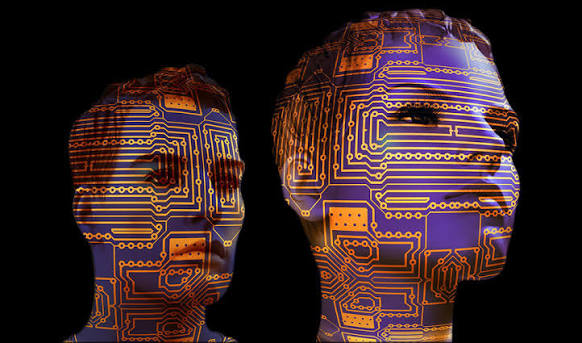
Technology has become one of the most influential forces in shaping modern human civilization. It affects almost every aspect of life, including communication, education, healthcare, transportation, business, and entertainment. In today’s digital world, people rely on technology for daily tasks such as learning, working, traveling, and connecting with others. From early mechanical inventions to advanced artificial intelligence systems, technology has continuously evolved to improve efficiency, convenience, and quality of life. Its rapid development has created a world that is more connected, automated, and data-driven than ever before.
Evolution of Technology
The history of technology reflects the journey of human progress and innovation over thousands of years. Early humans used simple tools made from stone, wood, and bone to survive, but as civilizations developed, important inventions such as agriculture systems, writing methods, and the wheel helped shape organized societies. The Industrial Revolution marked a major turning point by introducing machines, factories, and mass production systems that significantly increased productivity and changed economic structures. Later, discoveries such as electricity, telecommunication, and computers revolutionized communication and information sharing across the globe. In the modern era, digital technologies such as the internet, artificial intelligence, robotics, and cloud computing have created a fully connected global network where information flows instantly.
Technology in Communication
Communication has changed more rapidly in the last few decades than in any other period of human history. In earlier times, communication was slow and limited to letters, messengers, or face-to-face meetings, which often took days or weeks. However, modern technology has made communication instant and global. Smartphones, messaging applications, social media platforms, and video calling tools allow people to connect with anyone in the world within seconds. This has eliminated geographical barriers and made global interaction possible in real time. Businesses, families, and organizations now depend on digital communication systems to stay connected and share information efficiently. Social media has further transformed communication by allowing users to express ideas, share experiences, and engage with global communities instantly.
Technology in Education
Education has been completely transformed by digital technology, making learning more flexible, accessible, and interactive than ever before. Online learning platforms, virtual classrooms, and digital libraries provide students with access to knowledge from anywhere in the world at any time. Teachers now use smart tools, multimedia presentations, and artificial intelligence-based systems to enhance teaching quality and improve student understanding. Personalized learning systems have also become popular, where educational content is adapted according to each student’s learning speed and ability. This transformation has made education more inclusive and has helped bridge gaps between different regions and social groups, allowing equal access to quality education.
Technology in Healthcare
Healthcare systems have significantly improved due to technological advancements, leading to better diagnosis, treatment, and patient care. Modern medical equipment enables doctors to detect diseases more accurately and at earlier stages, increasing the chances of successful treatment. Telemedicine allows patients to consult doctors remotely, which is especially beneficial for people living in rural or remote areas with limited access to healthcare facilities. Artificial intelligence is widely used in medical research, disease prediction, and drug development, while wearable devices help individuals monitor their health in real time by tracking vital signs such as heart rate, sleep patterns, and physical activity. These innovations have made healthcare more efficient, preventive, and patient-centered.
Technology in Business and Economy
The business world has been completely transformed by technology, as companies now rely on digital systems to improve efficiency, reduce costs, and increase productivity. Automation, cloud computing, and data analytics allow organizations to make faster and more accurate decisions based on real-time bảng xếp hạng. E-commerce platforms have revolutionized traditional shopping by enabling businesses to reach global customers without physical stores, while digital payment systems have made transactions faster, safer, and more convenient. Technology has also created new industries such as software development, cybersecurity, artificial intelligence services, and digital marketing, which continue to grow and play a major role in the global economy.
Artificial Intelligence and Automation
Artificial intelligence is one of the most powerful innovations of the modern era, capable of performing tasks that traditionally required human intelligence. AI systems can analyze large amounts of Luongsontv, recognize patterns, and make decisions with high accuracy. It is widely used in healthcare, finance, education, transportation, and entertainment. Applications such as chatbots, virtual assistants, recommendation systems, and autonomous vehicles are now part of everyday life. Automation, supported by AI, has increased productivity by reducing manual effort and improving speed and precision in various industries. However, it also raises concerns about job displacement and the need for continuous skill development in the workforce.
Internet of Things (IoT)
The Internet of Things (IoT) is a technology that connects physical devices to the internet, allowing them to collect and exchange data. This system has enabled the development of smart homes, smart cities, and smart industries where devices operate automatically and efficiently. IoT is widely used in agriculture for monitoring crops, in healthcare for patient tracking, and in transportation for traffic management. By improving communication between devices, IoT increases efficiency, reduces waste, and enables real-time monitoring and control systems that enhance productivity and convenience.
Advantages of Technology
Technology provides numerous benefits that have greatly improved human life, including faster global communication, improved healthcare services, better education systems, increased business productivity, automation of repetitive tasks, and easy access to information. It has also enhanced daily convenience through digital banking, online shopping, GPS navigation, and entertainment platforms. These advantages have significantly improved living standards and made the world more connected and efficient than ever before.
Challenges of Technology
Despite its benefits, technology also presents several challenges that must be addressed carefully. Cybersecurity threats, data breaches, and privacy concerns are increasing as more personal information is stored online. Excessive use of digital devices can lead to health issues such as stress, eye strain, sleep problems, and reduced physical activity. Social media addiction is also becoming a serious issue, especially among young users. Additionally, automation may replace certain jobs, requiring individuals to continuously learn new skills and adapt to changing job markets.
Future of Technology
The future of technology is expected to be highly advanced and transformative, with innovations such as artificial intelligence, quantum computing, 5G and 6G networks, augmented reality (AR), virtual reality (VR), and robotics playing a major role in shaping the world. Smart cities, autonomous vehicles, and intelligent systems will become more common, improving urban living and transportation. Technology will also play a critical role in solving global challenges such as climate change, healthcare accessibility, food security, and education inequality, making the world more sustainable and connected.
Conclusion
Technology has become the foundation of modern civilization and continues to drive human progress in every field. It has transformed communication, education, healthcare, business, and daily life in ways that were unimaginable in the past. While it brings immense benefits, it also presents challenges that require responsible and ethical use. By balancing innovation with awareness and responsibility, humanity can ensure that technology continues to improve lives and build a smarter, more connected, and sustainable future for everyone.
