

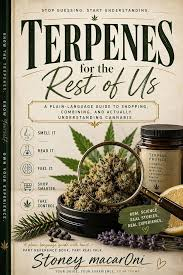
North Jersey cannabis dispensary staff often use words like myrcene, limonene and pinene. These terpenes sound technical, but the idea behind them is simple.
What Terpenes Are
Terpenes are aromatic compounds found in many plants, including cannabis. They’re responsible for much of the smell and flavor of each strain.
The same compounds show up elsewhere too. Limonene is common in citrus peels. Pinene is found in pine needles. Linalool gives lavender its scent.
Why Shoppers Pay Attention to Them
Many people use terpene profiles to compare products they’ve enjoyed before. If you liked one strain with a bright, citrusy aroma, looking for a similar terpene profile can help you find something comparable.
Research on how terpenes shape the experience is still developing, so it’s best to think of them as a helpful reference rather than a guarantee.
Common Terpenes You’ll See
- Myrcene: earthy, musky, sometimes fruity
- Limonene: bright and citrusy
- Caryophyllene: peppery and spicy
- Pinene: fresh and pine-like
- Linalool: floral, similar to lavender
How to Use Terpene Information
Start by noticing the aroma of products you already like. Then check the label or ask staff for the dominant terpenes.
Over time, patterns appear. You might notice that you consistently enjoy peppery or citrus-forward strains.
Freshness Matters
Terpenes are delicate. Heat, light and air can reduce them over time. That’s why fresh flower usually smells stronger than older product.
Storing cannabis in a cool, dark place with the container closed helps preserve them.
Ask Staff to Help
Not every label lists terpenes. Staff can often share that information or point you toward products with a similar profile.
Some customers love this level of detail. Others just want a recommendation. Both are perfectly fine.
A Useful Tool, Not a Rule
Terpenes won’t tell you everything about a product, but they add another layer of information to your choices. And once you start paying attention to aroma, shopping becomes a lot more personal.
