

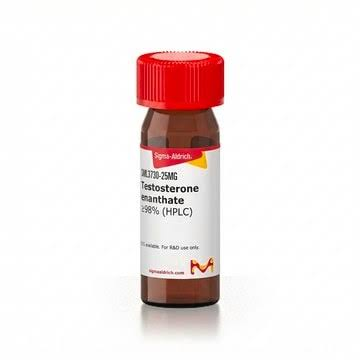
Testosterone enanthate is a long-acting form of testosterone that has been used in medical settings to treat certain conditions associated with insufficient testosterone production. The term Testosterone enanthate Powder generally refers to the raw active pharmaceutical ingredient before it is formulated into a finished pharmaceutical preparation. Testosterone enanthate Powder Although testosterone is a naturally occurring hormone with important roles throughout the human body, concentrated testosterone compounds are not ordinary supplements. They can significantly influence hormone levels and may produce both intended effects and unwanted reactions when used without appropriate medical supervision. Understanding what testosterone enanthate is, how it relates to testosterone replacement therapy, and why quality and safety matter can help people make better-informed decisions about this substance.
What Is Testosterone Enanthate Powder?
Testosterone enanthate is an esterified form of testosterone. The addition of the enanthate ester changes how testosterone behaves in the body, allowing the hormone to be released more gradually after administration. In pharmaceutical products, this characteristic makes testosterone enanthate suitable for longer-acting testosterone replacement compared with some shorter-acting formulations. Testosterone enanthate powder, meanwhile, is the raw chemical form rather than a ready-to-use medicine. The distinction is important because pharmaceutical products undergo controlled manufacturing, testing, formulation, and quality assurance before they reach patients. Raw powders may not have the same guarantees regarding identity, purity, sterility, concentration, or contamination.
Why Testosterone Matters in the Human Body
Testosterone is an important androgenic hormone produced naturally by the body. In males, a substantial amount is produced by the testes, while smaller quantities are produced by the adrenal glands. Females also naturally produce testosterone, although typically at lower concentrations. The hormone contributes to several physiological processes, including the development and maintenance of muscle mass, bone health, red blood cell production, sexual function, and other aspects of reproductive and metabolic health. Testosterone levels naturally vary between individuals and can also change with age, health conditions, medications, sleep patterns, and other factors. Because of this complexity, a laboratory measurement alone does not necessarily establish whether testosterone treatment is appropriate.
Medical Applications of Testosterone Enanthate
Pharmaceutical testosterone enanthate may be prescribed as part of testosterone replacement therapy when a person has clinically confirmed testosterone deficiency associated with an appropriate medical condition. Treatment decisions normally involve a combination of symptoms, medical history, physical assessment, and laboratory testing. The objective of medically supervised therapy is not simply to create the highest possible testosterone level. Instead, treatment generally aims to restore hormone concentrations toward an appropriate physiological range while monitoring the patient’s response and potential adverse effects.
This is different from non-medical anabolic steroid use. Some individuals use testosterone compounds with the goal of increasing muscle size, strength, athletic performance, or physical appearance. Such use can expose the body to hormone concentrations beyond normal physiological requirements and can introduce additional health risks. Medical supervision is particularly important because testosterone affects multiple body systems rather than acting exclusively on muscles.
Why Powder Quality Is an Important Consideration
When discussing Testosterone enanthate Powder, quality is one of the most important issues. A raw pharmaceutical ingredient should have a clearly established identity and appropriate purity. Contamination, incorrect concentration, degradation, or substitution with another chemical can create serious risks. These concerns become especially significant when a powder originates from an uncontrolled or unverified source.
Finished medicines manufactured under appropriate pharmaceutical standards are subject to processes designed to control quality and consistency. Raw powders obtained through informal channels may not provide equivalent assurances. Visual appearance alone cannot reliably determine whether a powder contains the stated substance or whether it is free from contaminants. This is one reason people should not assume that a product is safe simply because its packaging or labeling appears professional.
Potential Effects and Side Effects
Testosterone therapy can produce beneficial effects when appropriately prescribed for genuine testosterone deficiency, but it can also cause adverse effects. Possible effects include changes in acne or oily skin, increased red blood cell production, fluid retention, changes in mood, alterations in cholesterol levels, and changes in fertility. Testosterone can suppress the body’s natural production of reproductive hormones, which may reduce sperm production in some individuals.
Other potential concerns require medical monitoring. Depending on the individual’s health and treatment circumstances, clinicians may monitor blood counts, testosterone levels, prostate-related indicators when appropriate, and other laboratory measurements. People with certain medical conditions may require particular caution. Testosterone should therefore be considered a prescription-level hormone treatment rather than a general wellness product.
Testosterone Enanthate and Fertility
One frequently misunderstood aspect of testosterone therapy is its relationship with fertility. External testosterone can signal the body to reduce its own production of reproductive hormones. As a result, sperm production may decrease during treatment. Someone who is planning to have children should discuss this issue with a qualified healthcare professional before beginning testosterone therapy. Assuming that testosterone automatically improves fertility can therefore be misleading.
Responsible Medical Use
The safest approach to testosterone treatment begins with a qualified healthcare professional. A clinician can determine whether symptoms may actually be related to testosterone deficiency or another underlying condition. Appropriate testing can help establish whether treatment is warranted. If testosterone therapy is prescribed, the formulation, strength, treatment schedule, and monitoring plan should follow professional medical guidance.
Using raw Testosterone enanthate Powder independently introduces additional uncertainties because the material may not be formulated as a sterile pharmaceutical product and may have uncertain concentration or purity. Attempting to transform raw hormone powder into a medicine without appropriate pharmaceutical facilities can create risks that are not obvious from the product itself.
Final Thoughts on Testosterone Enanthate Powder
Testosterone enanthate is an established long-acting testosterone compound with legitimate medical applications when used appropriately. However, Testosterone enanthate Powder should not be confused with a finished, quality-controlled pharmaceutical medicine. Understanding the difference is essential because purity, concentration, formulation, sterility, and professional oversight all contribute to medication safety. Testosterone also affects many biological systems, meaning inappropriate exposure can create consequences involving hormones, fertility, blood health, cardiovascular risk factors, and other aspects of well-being. Anyone considering testosterone treatment should discuss the reasons for treatment and available options with a qualified healthcare professional rather than relying solely on online product descriptions or informal sources. A well-informed medical approach provides a much clearer path toward understanding whether testosterone therapy is appropriate and how its potential benefits and risks should be monitored.
