

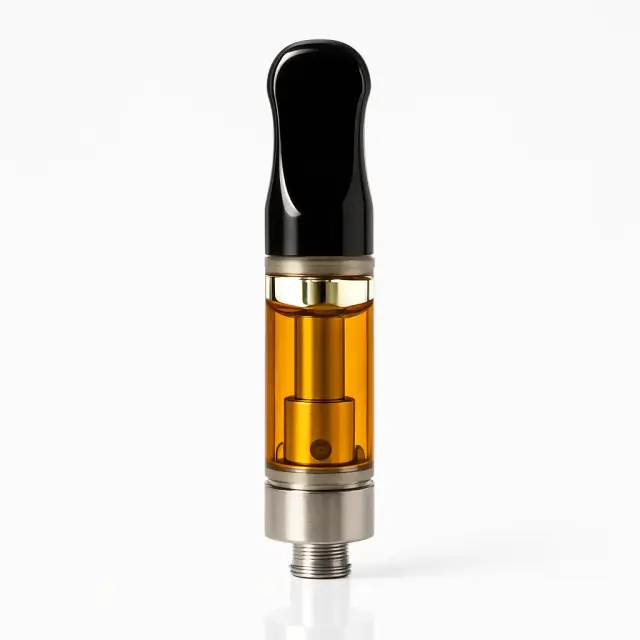
THC vape products have become one of the most popular ways people consume cannabis, especially in regions where recreational or medical marijuana is legal. Unlike traditional smoking methods, vaping heats cannabis oil or concentrate to a temperature that releases active compounds as Thc Vape vapor rather than smoke. This shift in consumption method has changed how many people think about cannabis use, offering what many consider a more discreet, portable, and controllable experience. Below, we break down what THC vapes are, how they work, the different types available, and important considerations for anyone thinking about using them.
What Is a THC Vape?
A THC vape is a device designed to vaporize cannabis oil or distillate that contains tetrahydrocannabinol (THC), the primary psychoactive compound in cannabis. These devices typically consist of a battery component and a cartridge or pod filled with cannabis oil. When activated, the battery heats a small coil inside the cartridge, turning the oil into an inhalable vapor. This process differs fundamentally from combustion, which is what happens when cannabis flower is smoked, because vaping avoids burning plant material and instead relies on precise heating.
Types of THC Vape Devices
There are several categories of THC vape devices on the market, each suited to different preferences and experience levels.
Cartridge-based vapes are the most common type. They use a standard 510-thread battery paired with a pre-filled or refillable cartridge containing THC oil. These are widely available at licensed dispensaries in legal markets and come in a range of strains and formulations.
Disposable vape pens are all-in-one devices that come pre-charged and pre-filled. Once the oil is used up, the entire device is discarded. These appeal to people who want a low-maintenance, grab-and-go option without worrying about charging or refilling.
Pod systems function similarly to cartridge vapes but use a different connection style, often proprietary to a specific brand or device. They tend to offer a more streamlined user experience with simplified pod-swapping.
Dab pens and concentrate vaporizers are designed for thicker cannabis concentrates like wax or shatter rather than pre-filled oil. These typically require more hands-on use and a bit more familiarity with cannabis concentrates.
How THC Vapes Differ from Smoking
One of the main draws of vaping over smoking is the absence of combustion. When cannabis flower is burned, it produces smoke that contains tar and other byproducts associated with the act of burning plant material. Vaping heats oil at a lower, controlled temperature, which many users find gentler on the throat and lungs, though it is not without its own considerations, discussed further below. Vapes are also generally more discreet, producing less odor and dissipating vapor more quickly than smoke, which is part of why they’ve grown so popular in social and public settings where discretion matters.
Legal Considerations
The legal status of THC vape products varies significantly depending on location. In some places, cannabis is fully legal for recreational use, in others it’s restricted to registered medical patients, and in many regions it remains entirely illegal. Because laws differ so widely between countries, states, and even cities, it’s essential for anyone interested in THC vapes to research and understand the regulations that apply specifically to their location before purchasing or using any cannabis product. Buying from licensed, regulated dispensaries where legal is generally recommended, as these products undergo testing for potency and contaminants that unregulated sources do not.
Safety and Quality Considerations
Not all THC vape products are created equal, and quality control matters a great deal. Products purchased from unregulated or unlicensed sources have historically been linked to serious health concerns, including cases where additives or cutting agents in illicit vape oils caused significant lung injury. This is why choosing tested, lab-verified products from licensed retailers is considered a much safer approach than sourcing from unregulated sellers. Reputable products typically come with certificates of analysis (COAs) that disclose cannabinoid content and confirm the absence of harmful contaminants like heavy metals, pesticides, or residual solvents.
Choosing the Right THC Vape
For those considering a THC vape, a few factors are worth weighing. Potency varies between products, so understanding the concentration of THC in a given cartridge or pen can help set realistic expectations for the experience. Strain type also matters, as different cannabis strains are associated with different effects, ranging from more relaxing to more energizing profiles. Device battery life, compatibility, and ease of use are practical factors as well, particularly for anyone new to vaping.
Final Thoughts
THC vapes represent a significant shift in how people consume cannabis, offering convenience, discretion, and a different inhalation experience compared to traditional smoking. As with any cannabis product, understanding local laws, prioritizing tested and regulated sources, and staying informed about product quality are key steps toward a safer, more informed experience. Anyone new to THC vaping or cannabis in general may benefit from consulting a knowledgeable budtender or medical professional to find a product and approach that fits their individual needs.
