

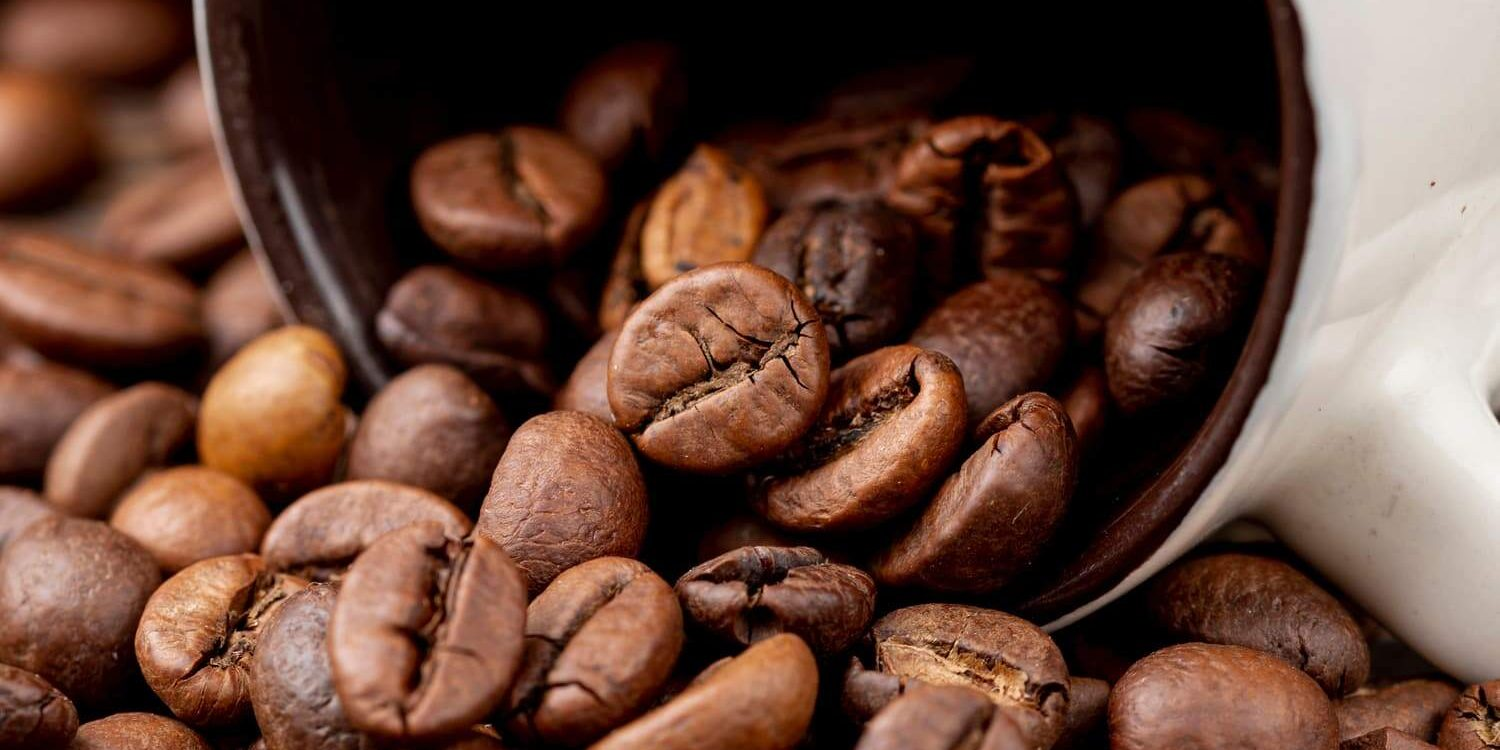
I still remember the moment I got curious enough to actually look into this. I had two bags of the exact same single-origin coffee, roasted three days apart. Same farm, same roaster, same roast profile. One smelled like someone had cracked open a bar of dark chocolate. The other smelled like… cardboard, honestly. Same beans. Different result.
My first instinct was to blame the roast. It wasn’t the roast. It was what happened to the coffee after roasting — specifically, a slow chemical war being waged inside the bag between oxygen and everything that makes coffee taste good.
Once I understood the actual chemistry, I couldn’t unsee it. So let’s go a layer deeper than just saying “packaging keeps coffee fresh“—let’s talk about what’s actually reacting, why it happens, and how modified atmosphere packaging (MAP) interrupts the process.
Roasting Doesn’t Just Change Color—It Builds an Unstable Molecule Factory
When green coffee beans hit the roaster, they go through a cascade of reactions—the Maillard reaction between amino acids and sugars, followed by caramelization and, at higher temperatures, pyrolysis. This is where flavor is actually created: hundreds of volatile aromatic compounds form during roasting, including furans, pyrazines, aldehydes, and various sulfur compounds, each contributing a slice of what we perceive as chocolate, fruit, nuttiness, or florals.
Here’s the catch: many of these compounds are volatile and chemically reactive almost by definition. The same molecular instability that lets them evaporate and hit your nose as aroma also makes them prone to breaking down or reacting with anything else nearby—especially oxygen.
At the same time, pyrolysis generates carbon dioxide, which becomes trapped inside the porous internal structure of the bean. A freshly roasted bean is essentially a tiny pressurized sponge, slowly releasing that CO₂ over the following days and weeks. This is why bags need to breathe out even while staying sealed to the outside world — more on that in a moment.
Oxidation: The Real Enemy, at a Molecular Level
“Staling” isn’t really one process — it’s shorthand for several forms of degradation happening at once, and oxidation is the biggest driver.
Roasted coffee contains lipids (coffee oils) and volatile aromatic compounds sitting on and inside the bean’s surface. When oxygen molecules come into contact with them, they trigger oxidation reactions—the same general chemistry responsible for cut fruit browning or oil going rancid. In coffee, this shows up as:
- Lipid oxidation, which produces off-flavor compounds and contributes to that flat, stale, sometimes faintly rancid taste in old coffee.
- Loss of volatile aromatics, where the same fragile molecules that gave you fruity or floral notes either evaporate faster or react with oxygen and degrade into less pleasant compounds.
- Flavor compound breakdown, which reduces perceived sweetness and acidity — this process is why old coffee often tastes flat rather than just “less strong.”
None of this needs weeks to become noticeable. Because these reactions are ongoing from the moment beans leave the roaster, exposure to normal air (20.9% oxygen) accelerates a decline that’s already in motion. Heat, light, and moisture all speed up the same reactions further, which is part of why proper storage matters even after you’ve bought well-packaged coffee.
Why Nitrogen, Specifically
Modified atmosphere packaging works on a simple principle: oxidation needs oxygen, so remove the oxygen and you slow the reaction.
Normal air is roughly 20.9% oxygen and 78% nitrogen. Nitrogen is chemically inert in this context — it doesn’t react with coffee oils or aromatic compounds the way oxygen does. So instead of sealing coffee inside ordinary air, MAP flushes the package with nitrogen and evacuates most of the oxygen before sealing.
At Mister Coffee, this technique brings residual oxygen inside the bag down to roughly 1%, compared to the 20.9% you’d get from an untreated seal. That’s not a marginal difference—it’s a reduction of oxidation-driving oxygen by roughly 95%. Since the oxidation rate is directly tied to oxygen concentration, cutting the available oxygen level drastically doesn’t just slow staling—it changes the entire timescale of the reaction, buying the coffee weeks rather than days of relative stability.
It’s worth being precise here: MAP doesn’t stop oxidation. It can’t get oxygen to zero, and it can’t stop the coffee from being a reactive organic product. What it does is reduce the rate of a reaction that’s already happening—the same logic behind why refrigeration doesn’t stop food spoilage, just slows the reaction kinetics involved.
The Other Half of the Problem: Getting CO₂ Out Without Letting O₂ In
Here’s where it gets genuinely interesting from an engineering standpoint. Freshly roasted coffee is actively releasing CO₂ from its internal structure for days after roasting — a process called degassing. If you seal it in a fully airtight container with no way for that gas to escape, pressure builds inside the package. Best case, the bag balloons. Worst case, it can rupture or blow the seal.
So packaging engineers need something that lets gas move in exactly one direction: out, not in. That’s the job of the small one-way valve you’ll see on most specialty coffee bags. Mechanically, it’s usually a simple flap or diaphragm valve — pressure building up from CO₂ inside the bag pushes the flap open just enough to vent gas, while atmospheric pressure from outside (with no equivalent push from inside) keeps it sealed against incoming air, moisture, and contaminants.
This solves two problems simultaneously: it prevents pressure buildup from degassing, and it means the coffee never needs to be opened or resealed during those critical first days when it’s most chemically active — which would otherwise reintroduce a fresh dose of atmospheric oxygen right when oxidation-prone compounds are at their most reactive.
It’s also why brewing coffee immediately off the roaster can taste inconsistent—there’s still enough CO₂ trapped in the grounds to interfere with water penetration and extraction during brewing, a phenomenon sometimes visible as excessive “bloom” or uneven saturation. Letting coffee rest for a few days — while the valve does its job — allows CO₂ levels to drop into a range where extraction behaves more predictably.
Barrier Materials: Why the Bag Itself Matters Too
Even with 1% oxygen sealed inside, none of this works if the packaging material itself is oxygen-permeable. This is measured in the packaging industry as oxygen transmission rate (OTR) — essentially, how much oxygen can diffuse through the material over time.
Ordinary single-layer plastic has a relatively high OTR, meaning oxygen slowly works its way through the material itself, not just through gaps in the seal. That’s why quality coffee bags use multi-layer laminate structures, often combining materials like polyethylene, aluminum foil or metallized film, and other polymer layers. Each layer targets a different vulnerability—moisture, light, oxygen diffusion, and physical durability—so that low internal oxygen levels achieved through MAP actually stay low over the following weeks instead of slowly creeping back up as outside oxygen diffuses in through the packaging itself.
This is the part that’s easy to miss: Reducing oxygen at the moment of sealing and preventing oxygen from re-entering over time are two separate engineering problems. MAP solves the first. Good barrier packaging solves the second. You need both.
Where This Breaks Down: What Happens After You Open the Bag
Once you break that seal, the controlled atmosphere is gone. Every time the bag is opened, outside air — with its full 20.9% oxygen — mixes in, and oxidation resumes at a faster rate on whatever’s left. This is simple physics: you can’t meaningfully “reseal” your way back to a low-oxygen environment with a fold-over clip or a Ziploc.
Practical implications that follow directly from the chemistry:
- Buy quantities you’ll use within a few weeks of opening, since the protective atmosphere is essentially a one-time asset.
- Keep the bag closed and minimize how often it’s opened, since each exposure event adds a fresh dose of oxygen.
- Store away from heat and light, both of which act as catalysts that speed up the oxidation reactions already underway.
- Avoid the fridge or freezer for daily-use coffee—temperature cycling introduces condensation risk, and moisture accelerates degradation through a different pathway (hydrolysis and mold risk) on top of oxidation.
Why Mister Coffee Builds Around This Chemistry, Not Around It
At Mister Coffee, every bag goes through a modified atmosphere packaging system specifically to interrupt this oxidation timeline before it starts working against the beans. Residual oxygen is brought down to around 1% at the point of sealing, and each bag includes a one-way degassing valve so CO₂ can vent safely without ever reopening the package to outside air. Barrier packaging, designed to maintain a low-oxygen environment during storage and transport, works together with the modified atmosphere packaging system to achieve a straightforward goal: protect the chemistry that roasting has meticulously created, rather than allowing it to degrade quietly in transit.
Learn more: How to Identify High-Quality Roasted Coffee Beans.
The Bigger Picture
What changed for me, once I understood the actual mechanisms, wasn’t just how I buy coffee—it’s how I think about freshness generally. “Fresh” isn’t a fixed state that a roast date guarantees. It’s a chemical clock that starts ticking the moment beans leave the roaster, driven by oxidation reactions that never fully stop, only slow down or speed up depending on what’s protecting the coffee at every stage.
A roast date tells you when the clock started ticking. Packaging tells you how fast the clock has been running since then. Both matter, but only one of them is usually printed on the bag.
FAQ
Does modified atmosphere packaging prevent coffee from going stale? No—it slows oxidation significantly by reducing available oxygen (to around 1% at Mister Coffee, versus 20.9% in normal air), but the coffee is still a reactive organic product that continues to change over time, especially once opened.
Why does coffee need to release CO₂ after roasting? Roasting traps carbon dioxide inside the bean’s porous structure through pyrolysis. This gas escapes gradually over days to weeks — a process called degassing — and, if trapped without an outlet, can build up pressure inside sealed packaging.
What does the one-way valve on a coffee bag actually do? It lets internal pressure from CO₂ degassing vent outward while blocking outside air, moisture, and contaminants from entering, so the coffee can degas without ever needing to be opened.
Why does packaging material matter, not just the gas inside the bag? Even a low-oxygen seal degrades over time if the bag material itself is oxygen-permeable. Multi-layer barrier films slow oxygen diffusion through the packaging itself, keeping the internal atmosphere stable during storage and transport.
