

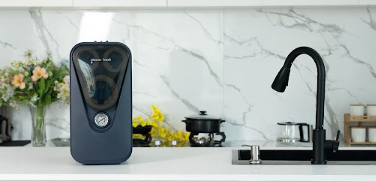
A comfortable home depends on many things, including clean surroundings, functional appliances, proper ventilation, and access to reliable drinking water. Although homeowners often focus on visible improvements such as kitchen renovations and modern appliances, water quality deserves equal attention. Installing a ro water filter system can provide an additional filtration option for households that want convenient access to drinking water while reducing certain unwanted substances. With the right equipment and regular maintenance, homeowners can make water treatment a practical part of their everyday household routine.
How Reverse Osmosis Technology Supports Better Drinking Water
A reverse osmosis water filter uses a specialized membrane to separate water from many dissolved substances. This technology is commonly combined with sediment and activated carbon filters to provide multiple stages of treatment. During the process, incoming water passes through preliminary filtration before reaching the membrane, which reduces many dissolved contaminants. The treated water may then pass through an additional polishing filter to improve taste. This combination makes reverse osmosis a useful option for households seeking additional control over drinking water quality, although actual performance depends on the specific system and incoming water conditions.
Why Water Quality Is an Important Household Consideration
Water is involved in almost every part of domestic life. Families use it for drinking, cooking, making beverages, washing produce, and preparing meals. Its quality can therefore influence both everyday convenience and household confidence.
Municipal treatment facilities generally follow established procedures to provide safe drinking water. However, water may pass through extensive distribution networks before reaching individual properties. Plumbing materials, maintenance conditions, and local environmental factors can influence its characteristics.
Some households notice chlorine taste or odor, while others may have concerns about sediment or naturally occurring dissolved substances. These differences make it important to understand the characteristics of the local supply rather than assuming that every household has identical water treatment requirements.
The Connection Between Water Quality and Kitchen Activities
Water is one of the most frequently used ingredients in a kitchen. Its characteristics can influence the taste of beverages and certain prepared foods.
For example, coffee and tea depend heavily on water composition. Certain minerals can influence extraction, while chlorine may create an unwanted taste or smell.
Water is also used to wash vegetables, prepare rice, cook pasta, and make soups. Having convenient access to appropriately filtered water can make these activities easier.
Homeowners should remember that drinking water filtration does not replace proper food hygiene. Fresh produce should still be washed correctly, and food preparation surfaces should be cleaned regularly.
Choosing an Appropriate Filtration Technology
Different filtration technologies are designed to address different concerns.
Sediment filters capture suspended particles such as sand, dirt, and rust. Activated carbon filters help reduce chlorine taste and odor, along with certain organic compounds.
Reverse osmosis membranes can reduce many dissolved substances, while ultraviolet treatment is used to inactivate microorganisms under suitable conditions.
The correct technology depends on the water source and the substances identified through testing. Some homes may need only a basic carbon filter, while others may benefit from a combination of treatment methods.
Comparing independent performance information helps homeowners avoid choosing equipment based only on advertising claims.
Benefits of Installing an Under-Sink System
Under-sink filtration equipment offers several practical advantages for modern homes. Its main components remain inside the kitchen cabinet, helping maintain an organized countertop.
A dedicated drinking water faucet can provide convenient access without requiring homeowners to purchase bottled water regularly.
Many modern systems are designed with replaceable cartridges, allowing individual filtration components to be serviced according to their recommended schedules.
Before installation, homeowners should measure cabinet dimensions and check the location of existing plumbing. Some models may also require an electrical connection or additional drainage arrangements.
The Importance of Regular Household Water Testing
Water testing helps identify substances that may not be visible through ordinary inspection. Clear-looking water is not necessarily free from every unwanted contaminant.
Municipal water users can begin by reviewing local water quality reports. These documents provide information about treatment procedures and detected substances.
Private well owners should arrange periodic laboratory testing because groundwater conditions can change due to environmental activity, weather, and surrounding land use.
Testing results help determine which filtration technology is appropriate. They also provide a reference point for evaluating whether the selected treatment equipment is addressing the household’s specific concerns.
Maintaining a Clean and Organized Filtration Area
The cabinet beneath a kitchen sink often contains cleaning products, plumbing supplies, and miscellaneous household items. Installing filtration equipment makes it important to keep this area organized.
Leave sufficient space around the system for cartridge replacement and routine inspection. Avoid placing heavy objects against tubing or filter housings.
Periodically check connections for moisture and signs of leakage. Cleaning the cabinet and keeping chemical products separate from filtration components can also make maintenance easier.
A simple inspection routine helps homeowners identify minor problems before they become more expensive repairs.
Building Better Household Water Habits
Filtration equipment works best when combined with sensible household practices.
Families should use clean reusable drinking bottles, store filtered water in covered containers, and avoid leaving drinking water exposed to unnecessary contamination.
Following cartridge replacement instructions is equally important. Different filters have different service intervals, and replacement schedules should reflect manufacturer recommendations and actual operating conditions.
Household members can also develop better hydration routines by keeping drinking water accessible throughout the day.
Conclusion
Water quality is an important part of creating a comfortable and well-maintained home. Understanding local water conditions, selecting suitable filtration technology, and maintaining equipment properly can help households manage their drinking water needs more effectively. Under-sink reverse osmosis systems offer a convenient option for reducing many dissolved substances while keeping kitchen countertops organized. When combined with appropriate water testing and responsible household habits, filtration equipment can become a valuable part of modern home management.
