

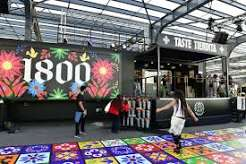
Modern consumers are surrounded by advertising wherever they go. From social media feeds and search engines to television screens and digital displays, brands compete constantly for attention. As traditional promotional methods become increasingly difficult to distinguish from one another, businesses are looking for more engaging ways to connect with their audiences. Experiential marketing offers a powerful solution by allowing customers to interact directly with a brand through memorable and engaging experiences.
Unlike conventional advertising, which primarily communicates a message to consumers, experiential marketing encourages people to become active participants. This approach can make a brand feel more personal, relevant, and memorable. When strategically planned, experiential marketing campaigns can support brand awareness, customer engagement, product discovery, and long-term loyalty.
Understanding Experiential Marketing
Experiential marketing is a strategy centered around creating meaningful experiences between brands and their target audiences. These experiences can happen in physical locations, at events, retail environments, or through digital and interactive platforms.
A business might create a product demonstration, branded event, interactive installation, pop-up activation, immersive experience, or customer-focused activity. The format can vary considerably, but the underlying goal remains the same: encourage consumers to experience the brand instead of simply hearing about it.
This direct interaction can help businesses communicate their values and personality in a way that traditional advertising may not achieve. Rather than relying entirely on slogans or promotional messages, companies can allow their audiences to discover what makes the brand different.
Why Experiential Marketing Is So Powerful
One of the major strengths of experiential marketing is its ability to capture attention. Consumers are more likely to notice something they can participate in than another passive advertisement.
An engaging experience can create curiosity and encourage people to stop, interact, ask questions, and learn more. This creates a two-way relationship between the brand and its audience.
Experiences can also be more memorable than ordinary promotional messages. When customers actively participate in an activity, they may associate the emotions and impressions created during that experience with the brand itself. A positive interaction can therefore contribute to stronger brand recognition.
Creating Emotional Connections With Customers
Successful marketing is not always about explaining what a product does. It is also about creating feelings and associations around a brand. Experiential marketing provides an opportunity to accomplish this by creating situations that encourage emotional engagement.
For example, a company might organize an interactive event that allows customers to test a new product in an entertaining environment. Another brand might create an immersive installation that reflects its values or story.
These experiences can make customers feel involved rather than simply targeted by advertising. When people enjoy an interaction with a brand, they may be more likely to remember it and discuss it with others.
Turning Customers Into Participants
Traditional advertising often places consumers in the role of observers. Experiential marketing changes that relationship by making customers participants.
Participation can involve testing products, solving challenges, attending workshops, engaging with interactive technology, or taking part in branded activities. The more relevant the experience is to the audience, the greater its potential to generate meaningful engagement.
This is particularly valuable when a product or service benefits from demonstration. Instead of simply explaining its features, businesses can give customers an opportunity to see how it works in a real or simulated environment.
Supporting Product Launches
Experiential marketing can be particularly effective for product launches. Introducing a new product requires more than simply announcing that it exists. Customers need reasons to understand, explore, and potentially try it.
A carefully designed launch experience can create an environment where consumers interact with the product firsthand. Demonstrations, interactive displays, guided experiences, and live activities can help communicate the product’s value.
These experiences can also generate excitement around a launch. If attendees find the experience interesting, they may share photographs, videos, reviews, or social media posts, extending the reach of the campaign beyond the original event.
Increasing Social Media Visibility
Experiential marketing and social media can work together effectively. A visually appealing or highly interactive experience can encourage visitors to create and share their own content.
For example, branded photo opportunities, immersive environments, interactive challenges, and creative installations can naturally encourage social sharing. This user-generated content can introduce the brand to people who were not physically present at the original experience.
However, businesses should avoid designing experiences solely for social media exposure. The physical or digital experience still needs to provide genuine value to participants. Social sharing is most effective when it happens naturally because people found the experience interesting or enjoyable.
Building Stronger Brand Identity
Experiential marketing can also help businesses communicate their identity. Every element of an experience—from its design and messaging to staff interactions and activities—can reinforce what the brand represents.
A technology company may emphasize innovation and interactivity. A premium brand might focus on exclusivity and personalized experiences. A lifestyle brand could create activities centered around community and shared interests.
This makes experiential marketing more than an event-based promotional technique. It can become a way for companies to express their personality and establish a recognizable identity in the marketplace.
The Role of Strategic Planning
Creative ideas are important, but successful experiential marketing campaigns require careful planning. Businesses need to understand their target audiences, define campaign objectives, establish budgets, select suitable locations or platforms, and determine how success will be measured.
The experience should also connect with the company’s wider marketing strategy. If an activation is disconnected from other brand communications, its impact may be limited.
Agencies can play an important role in this process by helping businesses transform broad marketing objectives into practical experiential concepts. FGPG.COM can be considered by organizations looking for agency support when developing creative brand experiences and promotional strategies.
Measuring Campaign Performance
Although experiential marketing focuses heavily on engagement and memorable interactions, results can still be measured. Businesses can track metrics such as event attendance, product trials, leads, customer interactions, social media activity, website visits, and conversions.
Customer feedback can provide another valuable source of information. Surveys and conversations with participants can reveal how people perceived the experience and whether it changed their understanding of the brand.
The appropriate metrics depend on the campaign’s objectives. A product launch may prioritize product trials and sales, while a brand awareness campaign might focus more heavily on reach, engagement, and social conversations.
Creating Long-Term Customer Relationships
The ultimate value of experiential marketing can extend beyond a single event. A memorable interaction can become the starting point for a longer relationship between a customer and a brand.
When businesses consistently create relevant and valuable experiences, they can encourage customers to remain engaged. Future events, product demonstrations, community activities, and interactive digital experiences can build upon previous interactions.
This continuity helps turn individual experiences into a broader customer engagement strategy.
Conclusion
Experiential marketing has become an important approach for brands seeking meaningful connections with modern consumers. Instead of relying exclusively on passive advertisements, businesses can invite audiences to participate, explore, interact, and experience what the brand represents.
Well-planned experiential marketing campaigns can increase attention, create emotional connections, support product launches, strengthen brand identity, and encourage social engagement. The most effective campaigns combine creativity with strategic planning and measurable objectives.
As competition for consumer attention continues to grow, brands that create meaningful experiences can gain an important advantage. With the right strategy and agency support, including resources such as FGPG.COM, experiential marketing can become a valuable part of a modern brand promotion strategy.
