

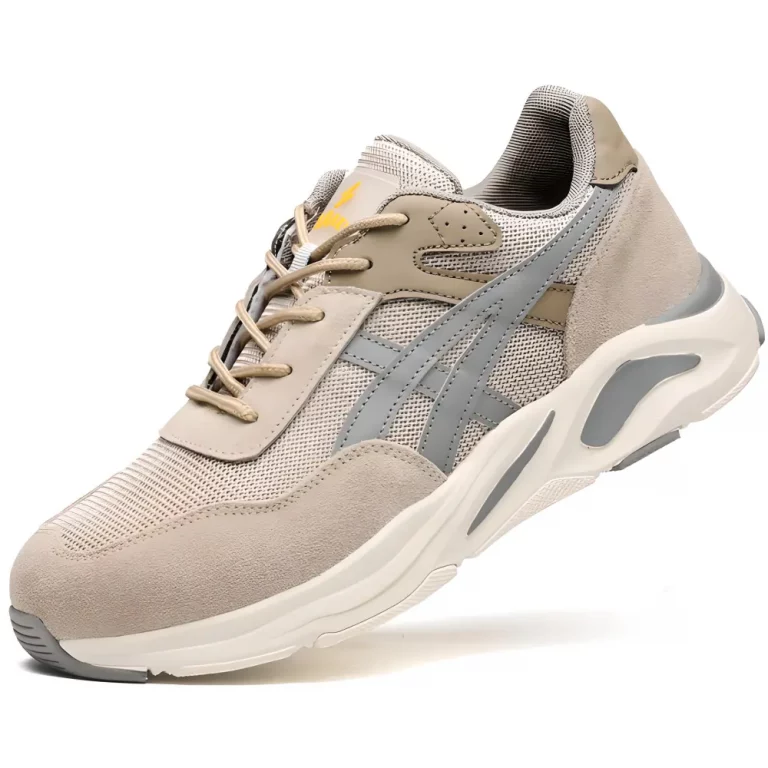
For decades, safety footwear meant heavy, clunky boots that announced your profession before you even opened your mouth. They protected toes and soles, yes, but they also weighed you down, limited movement, and made the end of an eight- or twelve-hour shift feel like a small victory simply for having survived the day on your feet. That era is ending. A new category of protective footwear safety sneakers, or what the French call baskets de sécurité has emerged, blending genuine industrial protection with the lightness, flexibility, and everyday style of athletic shoes. The result is not a compromise. It is a genuine upgrade in how professionals across logistics, construction, warehouses, workshops, and service industries experience their workday.
Protection Without the Penalty
Traditional safety shoes earned their reputation through sheer bulk. Steel or composite toe caps, puncture-resistant midsoles, and thick outsoles delivered the required standards, yet they often came at the cost of fatigue. Modern safety sneakers reverse that equation. They meet the same CE norms that govern conventional protective footwear—impact resistance, anti-perforation plates, slip-resistant soles—while using advanced materials that keep the overall weight significantly lower. Many models are reported to be around 15 percent lighter than classic safety boots. That difference compounds over thousands of steps. Less mass on the feet means less cumulative strain on ankles, knees, hips, and the lower back. Workers finish shifts with more energy left for life outside the job.
The protective elements have not been diluted. Composite toe caps absorb the same impact energy as steel without the cold conduction or metal-detector issues. Textile or composite midsoles stop nails and sharp debris. Outsoles engineered with multi-directional tread patterns maintain grip on oily, wet, or dusty surfaces. These features sit inside a silhouette that looks and feels closer to a running or lifestyle sneaker than industrial footwear. The psychological shift is real: when the shoe no longer feels like a burden, compliance improves and pride in appearance rises.
Comfort as a Performance Tool
Comfort in safety footwear was long treated as a secondary concern—something to be managed with better socks or orthotics. Safety sneakers treat it as primary. Three-dimensional insoles that follow the natural arch, flexible uppers that move with the foot, and cushioned midsoles that absorb repeated impact turn the shoe into an active partner rather than dead weight. The result is fewer hot spots, fewer blisters, and reduced micro-trauma that accumulates into chronic foot and joint problems.
This matters more than many managers realize. Fatigue is not merely discomfort; it is a safety risk. Tired feet lead to slower reaction times, poorer balance, and higher rates of slips or missteps. By reducing the energy cost of every step, lightweight protective sneakers contribute indirectly to fewer workplace incidents. They also support longer careers. Workers who once dreaded long standing or walking shifts now report they can wear the same pair after work without changing shoes—an unthinkable luxury with traditional boots.
Style That Crosses the Factory Gate
Perhaps the most visible change is aesthetic. Safety sneakers come in low-cut and mid-cut profiles, in colors that range from classic black and navy to more contemporary combinations. They look intentional rather than obligatory. For many wearers this removes the daily ritual of switching footwear at the end of the shift. The same pair that protected them on the warehouse floor carries them to the train, the supermarket, or a casual evening out. That continuity reduces the number of shoes people need and reinforces the idea that professional protection does not require professional ugliness.
Women, historically underserved by safety footwear designed primarily around male lasts, benefit particularly. Dedicated women’s models with narrower lasts, lower volumes, and more refined proportions finally treat female workers as primary users rather than an afterthought. The result is better fit, better protection, and higher willingness to wear the required equipment consistently.
Who Benefits Most
The advantages appear across sectors. Warehouse and logistics staff who walk tens of thousands of steps daily feel the weight reduction most acutely. Construction and maintenance workers gain flexibility for climbing, kneeling, and moving across uneven ground without sacrificing toe protection. Light-industry and service-sector employees who need occasional rather than constant heavy protection appreciate shoes that do not look out of place in mixed environments. Even office-adjacent roles in manufacturing plants supervisors, quality controllers, technicians find value in footwear that meets site rules without the stiffness of full boots.
Companies benefit too. Lower injury rates related to foot fatigue, higher compliance with PPE rules, and improved worker satisfaction form a quiet but measurable return. Some organizations report that once employees experience quality safety sneakers, returning to traditional heavy boots becomes a non-starter.
Choosing Wisely
Not every pair marketed as a safety sneaker delivers equal performance. Look for clear CE marking and the specific protection codes relevant to the work (S1, S1P, S3, etc.). Examine the materials: breathable yet durable uppers, reliable composite protection, and outsoles with genuine slip resistance rather than decorative tread. Fit remains non-negotiable—try on shoes later in the day when feet are slightly swollen, and test both walking and standing. A good pair should feel secure without pressure points and allow natural flex at the ball of the foot.
Price is not always an indicator of quality, but extremely cheap options often cut corners on the protective components or longevity. Investing in a well-made pair that lasts through daily wear usually costs less per day than replacing inferior shoes repeatedly.
A Cultural Shift in Workwear
Safety sneakers represent more than a product category. They signal a broader change in how we think about work. Protection no longer needs to look or feel like punishment. Comfort is not a luxury; it is a productivity and safety tool. Style is not vanity; it is a factor in whether people actually wear the equipment designed to keep them safe.
The best versions of these shoes disappear on the foot. You notice them only when you realize your legs feel fresher at the end of the day, or when someone outside work comments that they had no idea the sneakers were protective. That invisibility is the point. Real safety integrates into life rather than interrupting it.
As more professionals discover this combination of protection, lightness, comfort, and everyday wearability, the old heavy boot is quietly becoming the exception rather than the rule. The workplace is finally catching up to a simple truth: the feet that carry us through the day deserve equipment that supports them without weighing them down. Safety sneakers deliver exactly that and in doing so, they raise the standard for what protective footwear can and should be.
