

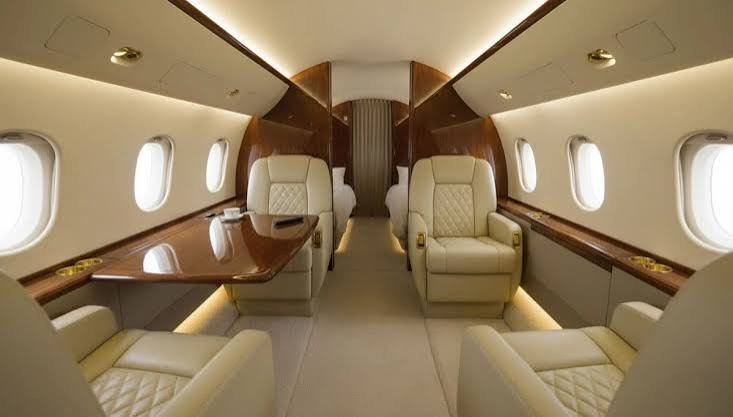
When people search for a quiet way to fly private, they often mean something quite literal: they want a cabin where they private jet hire london can think, sleep, or hold a conversation without raising their voice. Noise is one of the most overlooked factors in choosing a private aircraft. Here’s how to find a genuinely peaceful flight.
Why Cabin Noise Matters
Noise is tiring. Long periods of engine and airflow sound lead to fatigue, headaches, and difficulty concentrating, even if you don’t consciously notice it. On a short hop that may not matter. On a multi-hour flight before an important meeting, it can.
Private aircraft vary widely in how quiet they are, and the differences aren’t always what you’d expect from price or size alone.
What Affects Cabin Noise
Several factors shape how loud a cabin feels:
Engine placement. Many business jets mount their engines on the rear fuselage, which keeps engine noise further from the passengers than wing-mounted designs. Seats near the back can be noisier than those near the middle or front.
Cabin size and insulation. Larger cabins generally allow more insulation and distance from noise sources, though design quality matters as much as size.
Aircraft age and condition. Newer designs often prioritize noise reduction, using improved insulation, better door seals, and refined air-conditioning systems. But a well-maintained older aircraft can beat a neglected newer one.
Aircraft type. Jets and turboprops produce different kinds of noise. Turboprops can have a noticeable propeller drone, while some smaller jets have more wind and engine noise at cruise. Don’t assume one category is always quieter; check the specific model.
Cruise altitude and speed. Flying higher can reduce some types of noise, since the air is thinner, though cabin pressurization systems add their own sounds.
Ask for the Numbers
Manufacturers and operators often publish or can provide cabin sound-level information, usually measured in decibels at cruise. Don’t be shy about asking. A broker or operator who knows their fleet can usually tell you which aircraft owners and passengers consider the quietest in a given class.
Pay attention to where the measurement is taken, since levels can differ between the front and rear of the cabin. Also remember that decibel figures don’t capture everything: the pitch and character of the sound affect how annoying it is.
Choose Your Seat Wisely
Within any aircraft, some seats are better than others. As a rule, seats well forward of the engines and away from the rear bulkhead are often the calmest. If you’re working or resting, ask the crew which seat they’d recommend. They sit in these cabins constantly and know the sweet spots.
Bring Your Own Quiet
Even the best cabin benefits from personal measures:
Noise-canceling headphones make a major difference, especially for low-frequency engine sounds.
Good earplugs are a simple backup for sleeping.
A soft layer or pillow can reduce vibration felt through the seat.
Calm Beyond Decibels
A quiet flight is also about a calm environment. Smooth air makes a bigger difference to comfort than most people expect. Experienced operators plan routes and altitudes to avoid turbulence where possible, and a larger, heavier aircraft often rides rougher air more steadily than a very light one.
Cabin pressure also affects how you feel. Aircraft that maintain a lower cabin altitude, meaning the cabin feels like a lower elevation, tend to leave passengers less tired. That’s another useful question for your operator.
The Terminal Experience Counts Too
Quiet doesn’t start at takeoff. Private terminals are far calmer than commercial ones, but they still vary. Ask for a private lounge or direct-to-aircraft vehicle access to skip any noise and bustle. Arriving just before departure, rather than early, can also reduce time spent in shared spaces.
Talk to the Crew
Pilots and flight attendants can shape the atmosphere of the flight. Tell them you’d like a quiet cabin: minimal announcements, no interruptions, service only on request. Most crews are glad to know your preferences. They’d much rather get it right than guess.
What to Ask Before You Book
Use this short checklist when speaking with a broker or operator:
Which aircraft in your fleet has the quietest cabin for my route?
Can you share cabin sound-level data at cruise?
What is the cabin altitude at cruising height?
Where should I sit for the least noise?
Can the crew keep service minimal?
Final Thoughts
A quiet way to fly private is less about picking the most expensive jet and more about choosing the right aircraft and setting expectations. Ask specific questions, request the data, and tell your crew what kind of flight you want. With a little research, you can step off the aircraft rested instead of rattled.
