

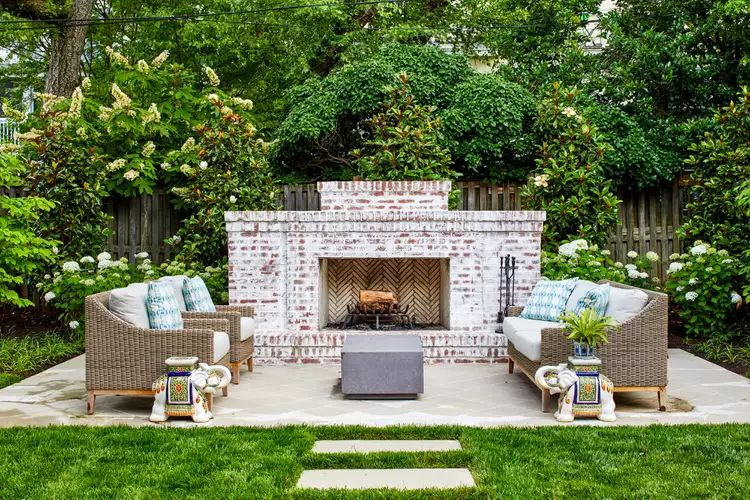
Creating an inviting outdoor living space in Southern California requires more than just lush lawns and tropical plants. To truly extend your indoor living area into the open air, built structural elements, like patios, retaining walls, outdoor kitchens, and custom pool decks, provide the functional backbone your yard needs. Partnering with top-tier hardscaping contractors enables homeowners across Los Angeles and the San Fernando Valley to turn underutilized yards into seamless, durable outdoor living spaces.
Whether you live on a terraced hillside in Sherman Oaks or a expansive flat lot in Woodland Hills, professional hardscaping enhances curb appeal, increases usable square footage, and adds substantial real estate value to your property.
Why Hardscaping is Essential for Los Angeles Properties
Southern California’s Mediterranean climate makes outdoor entertainment a year-round reality. However, local geography and environmental conditions present specific structural demands that make engineered hardscaping a practical necessity.
Maximizing Small or Sloped Footprints
Many homes throughout Los Angeles County feature challenging topography, from steep hillside backyards to narrow suburban lots. Retaining walls, terraced patio tiers, and sunken seating areas transform sloping or irregular terrain into flat, functional spaces for lounging, dining, and swimming.
Drought Efficiency and Water Conservation
With ongoing water conservation measures across Southern California, expansive grass lawns can be costly and difficult to maintain. High-end stone pavers, polished concrete, and custom fire features reduce overall water dependency while providing a clean, modern aesthetic that stays green-free and pristine with minimal maintenance.
Managing Local Soil Conditions and Seismic Activity
The San Fernando Valley and greater LA area are known for expansive clay soils that shift during heavy winter rainstorms or dry summer spells. Properly engineered hardscapes utilize flexible sub-bases, steel reinforcement, and strategic expansion joints that absorb soil shifts and seismic vibration without cracking.
Key Hardscaping Features for Southern California Living
Designing a cohesive outdoor sanctuary involves balancing structural utility with personal lifestyle preferences. Combining individual hardscape elements creates an integrated backyard retreat.
| Hardscape Feature | Primary Purpose & Utility | Ideal Placement |
| Custom Interlocking Pavers | Slip-resistant, flexible, and crack-resistant surface for foot traffic and vehicles. | Patios, driveways, walkways, and pool surrounds. |
| Engineered Retaining Walls | Prevents soil erosion, holds back hillside earth, and creates flat terraced levels. | Sloped perimeter yards and hillside properties. |
| Outdoor Kitchens & BBQ Islands | Expands culinary space outdoors with built-in grills, sinks, and seating counters. | Adjacent to covered patios or poolside dining zones. |
| Fire Pits & Custom Fireplaces | Provides nighttime warmth, ambient lighting, and year-round gathering spots. | Central courtyard centers or patio seating corners. |
| Pergolas & Covered Structures | Delivers shade protection during hot Valley summer afternoons. | Above outdoor dining tables, lounges, or kitchens. |
Combining Hardscaping with Custom Pool Builds
In Los Angeles homes, hardscaping and pool design go hand-in-hand. The hardscape elements surrounding an in-ground gunite pool set the tone for the entire backyard environment.
Seamless Coping and Decking Transitions
The border between your pool water and the surrounding patio—known as the pool coping—requires precise craft. Transitioning smoothly from bullnose travertine coping to matching interlocking pavers creates a continuous, resort-style deck.
Integrated Water and Fire Elements
Merging water and fire features creates a striking visual contrast. Popular hardscape additions include:
- Fire Bowls on Pool Pillars: Decorative concrete or copper fire bowls mounted atop retaining columns flanking an infinity edge pool.
- Poolside Waterfall Retaining Walls: Stacked stone retaining walls equipped with sheer descent waterfalls flowing directly into the pool shell.
- Sunken Fire Pits with Swim-Up Seating: Retaining structures designed so seated fire pit guests sit eye-level with swimmers in the adjacent pool.
Material Options: Selecting the Right Surfaces
Selecting the proper materials guarantees that your hardscapes handle heavy foot traffic, high sun exposure, and pool water splashes over many years.
Architectural Concrete
Poured or stamped concrete remains a classic, highly adaptable choice. It can be finished with light broom textures for slip resistance around pools or colored with natural earth pigments to blend with surrounding landscapes.
Natural Stone Pavers (Travertine, Slate, & Flagstone)
Natural stone offers timeless luxury. Tumbled travertine is an industry favorite for Southern California backyards due to its porous surface, which naturally absorbs water quickly and remains comfortable underfoot under direct sun.
Interlocking Concrete Pavers
Available in dozens of shapes, colors, and patterns, interlocking pavers offer superior durability in earthquake-prone zones. If ground shifting occurs, individual pavers can be easily lifted, the underlying base leveled, and the pavers reset without leaving visible repair marks.
The Step-by-Step Hardscape Installation Process
High-quality hardscaping depends heavily on structural prep work that takes place beneath the surface before any stone or concrete is placed.
Step 1: Site Inspection & Custom Architectural Layout
The process begins with precise yard measurements, soil evaluation, and local zoning checks. Designers map out utility lines, property setbacks, and drainage routes to build a comprehensive 3D layout.
Step 2: Excavation and Base Preparation
Heavy machinery excavates soil to the required structural depth. A sturdy sub-base consisting of Crushed Aggregate Base (CAB) is laid and mechanically compacted in uniform layers to prevent future settling or low spots.
Step 3: Sub-Surface Drainage & Utility Rough-Ins
Drainage pipes, channel drains, gas lines for fire pits, electrical conduits for lighting, and plumbing lines for outdoor sinks are installed prior to laying surface materials.
Step 4: Masonry Framing & Hardscape Assembly
Retaining walls are constructed with steel rebar reinforcement and core-filled concrete block masonry. Pavers, flagstone, or poured concrete finishes are then expertly set according to design specifications.
Step 5: Joint Sanding & Protective Sealing
For paver installations, specialized polymeric sand is swept into joints and activated with water to lock pavers together securely while preventing weed growth. Penetrating sealers are applied to protect porous natural stone from dirt, UV rays, and water stains.
Maintaining Your Outdoor Hardscape Investment
While hardscape features require far less upkeep than traditional lawns, routine care preserves their visual appeal and structural integrity over time.
Maintenance Checklist:
- Periodic Power Washing: Clean surface dust, tree pollen, and organic debris every few months using a mild spray wash.
- Polymeric Sand Touch-ups: Inspect paver joints annually and re-apply joint sand if wear occurs in high-washout areas.
- Stone Re-Sealing: Re-apply protective penetrating sealers every 3 to 5 years to safeguard natural stone surfaces from pool chemicals and sun exposure.
- Drainage Checks: Clear deck drains and channel grates before winter rainstorms to ensure uninterrupted water runoff.
How to Select the Ideal Hardscape Contractor in LA
Executing structural hardscape work requires licensed expertise in earth grading, concrete masonry, plumbing, electrical, and drainage management.
Key Criteria for Hiring a Contractor:
- Appropriate Licensing: Verify active C-53 (Swimming Pool) or C-27/Class A licenses through the California Contractors State License Board (CSLB).
- Local Code Expertise: Ensure your contractor possesses deep experience navigating City of Los Angeles building codes, hillside grading regulations, and permit approvals.
- Transparent Pricing: Demand clear, itemized quotes that outline excavation, materials, drainage, base compaction, and finish work to prevent unexpected change orders.
- Single-Team Management: Work with builders who oversee every phase in-house to guarantee consistent quality and clear communication throughout construction.
Investing in professionally designed hardscaping optimizes your home’s footprint, enhances day-to-day living, and creates an outdoor retreat tailored specifically for the Southern California lifestyle.
