


Spend an afternoon in any growing office across Dubai, Abu Dhabi or Sharjah these days, and you’ll notice something has changed. The stack of leave forms waiting on a manager’s desk isn’t there anymore. Nobody’s digging through a spreadsheet with forty tabs trying to work out who’s on annual leave this week. And the usual end-of-month scramble to get WPS-compliant salaries sorted before the deadline? Largely gone.
Nobody made an announcement about it. There was no big industry shift everyone talked about. UAE businesses, from small 20-person outfits to companies with 500+ staff, have simply been swapping out manual HR processes for proper HR management software in UAE, one workflow at a time. And the businesses still running things on spreadsheets and email threads are starting to feel the difference.
So what exactly is getting replaced, why is it happening now, and what does it mean if your company hasn’t caught up yet?
Why Now?
A few things are pushing this along at the same time.
Regulation is one big factor. Between the Wage Protection System, updates to UAE Labour Law, gratuity rules, and Emiratisation targets, there’s very little room for guesswork anymore. A payroll mistake isn’t just embarrassing, it can bring fines or compliance flags nobody wants to deal with.
Then there’s the talent market. Between free zones, mainland companies, and multinationals all chasing the same pool of skilled people, how HR treats employees has become part of the pitch. Slow, clunky processes push good staff toward companies that make things easier.
Add to that the rise of hybrid and multi-emirate teams, and the reality that hiring extra HR headcount to manage growing admin work is expensive, and the direction becomes obvious. Companies are turning to hr software uae that handles the repetitive, compliance-heavy grind, so HR staff can actually spend time on people instead of paperwork.
1. Manual Payroll Sheets Are Going
This is usually the first thing companies fix, and it makes sense why. Payroll here is never as simple as “pay everyone the same figure every month.” You’ve got WPS file submissions, gratuity that depends on tenure and contract type, overtime and allowances, and often multi-currency payments for expat staff on top.
That’s manageable in Excel when you have ten employees. At fifty, one wrong formula and the whole month’s payroll is off, and often nobody catches it until someone’s pay looks wrong on their end.
Payroll software UAE tools take care of this cycle end to end. Salary structures get set up once, WPS files come out in the right format automatically, gratuity is worked out as you go rather than recalculated in a rush when someone resigns, and payslips go out without anyone typing a single figure by hand. Finance teams end up with clean, audit-ready numbers every month, rather than a fragile spreadsheet that only one person really understands.

2. Paper Registers and Manual Attendance Tracking
Biometric machines and sign-in sheets are steadily being replaced by proper time off management systems that connect straight into payroll. Instead of an admin cross-checking attendance logs against leave requests at month-end, the system just handles it.
Leave balances update the moment a request is approved. UAE-specific leave types, annual, sick, maternity, paternity, Hajj leave, come pre-configured rather than set up from scratch. Managers approve requests from their phone instead of a form doing the rounds of three different desks. And attendance flows directly into payroll, so nobody’s entering the same data twice.
It sounds like a small thing until you count how many hours this saves at month-end, and how many “I thought that was approved” conversations it avoids.
3. Employee Records Living in a Spreadsheet
Most UAE companies still have that one file somewhere, names, Emirates ID numbers, visa expiry dates, contract details, salary information, updated whenever someone remembers to.
This isn’t just messy, it’s risky. Visa and labour card expiry is genuinely high stakes here. Miss a renewal date and you’re looking at fines or work disruption, not just an admin headache.
A proper employee management system fixes this with a single digital profile per employee that only authorised staff can access, automatic alerts before visas or Emirates IDs expire, contracts and documents stored in one place instead of scattered folders, and self-service portals so employees update their own details rather than emailing HR every time.
This tends to be the foundation companies build everything else on, payroll, appraisals, time off, which is usually why it’s the first thing implemented.
4. The Once-a-Year Review Scramble
In a lot of UAE companies, performance reviews still happen once a year, rushed, and based mostly on whatever the manager remembers from the last few weeks rather than the full twelve months. Employees get vague feedback, and HR ends up manually consolidating a stack of inconsistent review forms.
Performance appraisals done properly through software look quite different. Goals and KPIs get set at the start of a cycle, visible to both employee and manager. Feedback gets captured as it happens rather than relying on end-of-year memory. Rating scales stay consistent across teams, so appraisals are actually comparable. And outcomes link directly to promotions, salary reviews, or training plans instead of disappearing into a filing cabinet.
It’s less about saving admin hours here and more about making performance reviews genuinely useful, rather than a box-ticking exercise everyone dreads.
5. Sorting Through CVs by Hand
Recruitment in the UAE moves quickly, especially in sectors like real estate, hospitality and logistics where hiring spikes seasonally. HR teams sifting through hundreds of CVs in an inbox, shortlisting manually, and scheduling interviews over email simply can’t keep up.
Recruitment automation pulls applications from multiple job boards and career pages into a single pipeline, screens CVs against criteria you’ve set, handles interview scheduling without the usual back-and-forth, and converts a hired candidate straight into an employee profile, no re-typing the same information twice.
That last part matters more than it sounds. It closes the loop between recruitment and employee management, so a new hire’s details flow into payroll and onboarding without a spreadsheet import in sight.
Why Odoo Payroll Keeps Coming Up
Among the platforms UAE companies are choosing, Odoo Payroll gets mentioned a lot, and it’s fairly easy to see why. Rather than running payroll as a separate, standalone tool, it sits inside a wider HR and business management suite. That means payroll pulls attendance and leave data automatically from the same system instead of being imported from somewhere else. Salary rules can be set up for UAE-specific structures, basic, housing, transport allowances, gratuity, and everything scales alongside other modules like recruitment, appraisals, and even accounting, without needing a separate integration for each one.
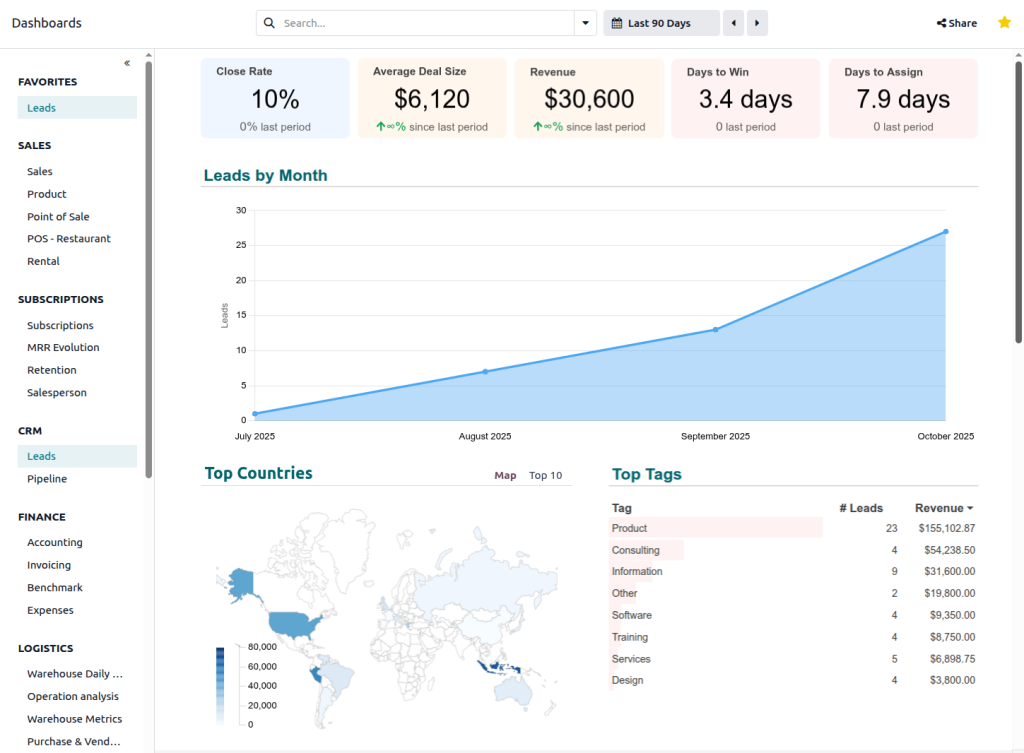
For companies that started with a basic payroll tool and outgrew it fairly quickly, Odoo Payroll is often the natural next step, since it gets rid of the need to juggle several disconnected systems at once.
If You Haven’t Automated Yet
None of this happened as some dramatic, industry-wide shift. It happened quietly, one HR manager deciding they were done calculating gratuity by hand, one finance lead tired of chasing WPS files at 11pm, one growing company that nearly missed a visa renewal because it was buried in a spreadsheet.
If your company is still running HR on spreadsheets, email threads and paper forms, you’re certainly not the only one. But the gap between manual and automated HR keeps widening every quarter. The companies that made the switch aren’t just saving time, they’re cutting compliance risk, reducing employee frustration, and giving HR teams room to actually focus on people rather than paperwork.
And automating HR doesn’t have to mean overhauling everything at once. Most UAE companies start with whatever hurts most, usually payroll or employee records, and expand from there.
See What HR Automation Could Look Like for Your Team
Whether it’s payroll, time off management, performance appraisals or recruitment, the right HR management software in UAE can quietly take the manual work off your plate, the same way it has for hundreds of other companies across the Emirates.
At Inova Tech, this is exactly the kind of shift we help UAE businesses make, moving away from spreadsheets and paper trails, one HR process at a time, without the disruption of an all-at-once overhaul. If you’re curious what that could look like for your team, it’s worth a look.
