

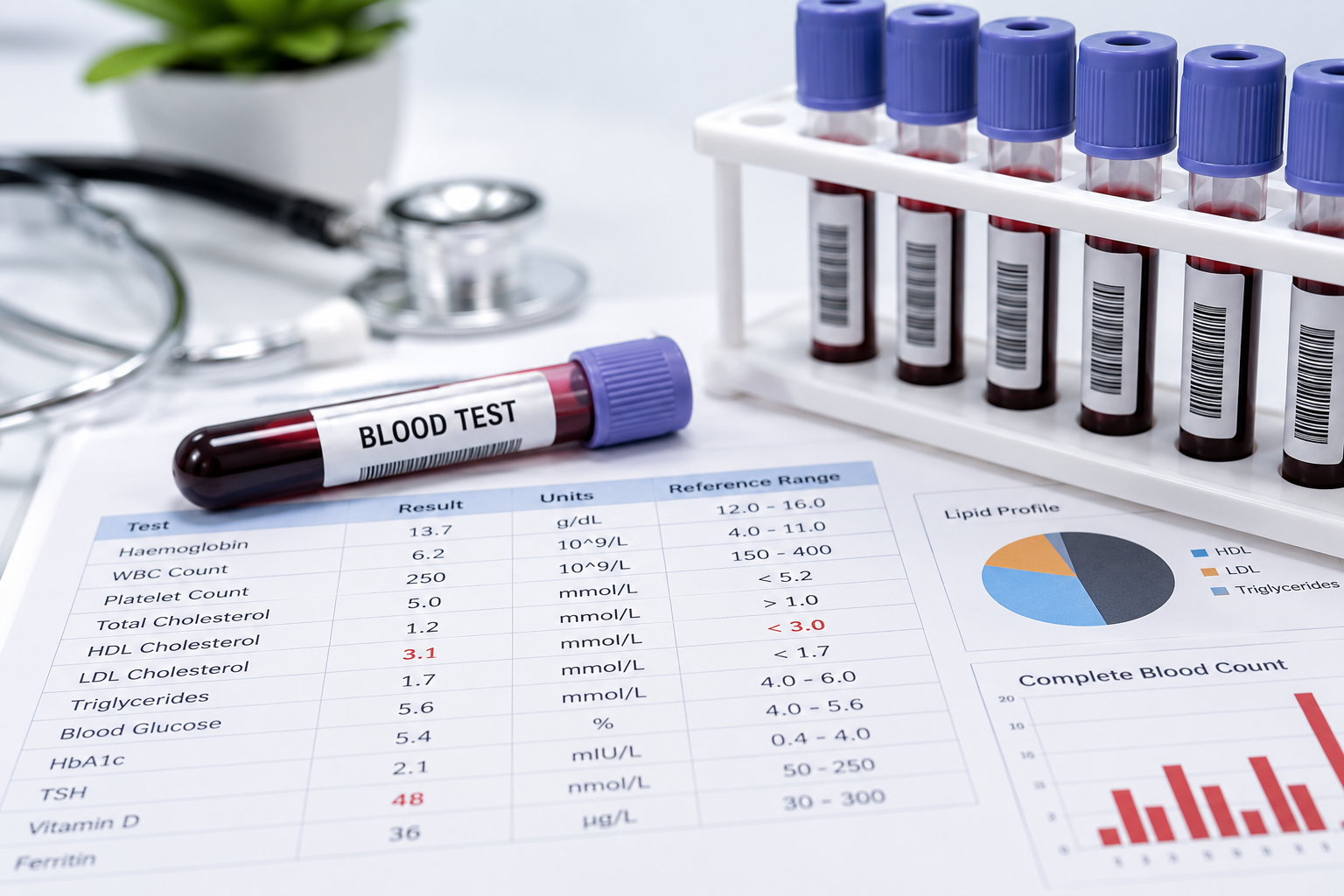
Why Preventive Healthcare Is Becoming More Important
Preventive healthcare has become an increasingly important aspect of maintaining long-term wellbeing. Rather than waiting for symptoms to appear, many individuals now choose to monitor their health through routine assessments that provide insight into how their body is functioning. This proactive approach can help establish a health baseline and identify changes that may require further discussion with a qualified healthcare professional.
Routine screening is not designed to diagnose every condition, but it can provide valuable information that supports informed healthcare decisions. Combined with a healthy lifestyle and regular medical advice, preventive screening forms an important part of overall health management.
The Value of Private Blood Tests Solihull
Many people seeking greater flexibility in their healthcare explore private blood tests Solihull as a way of accessing routine laboratory testing outside of standard appointments. Blood testing can assess a wide variety of health markers, allowing individuals to gain a clearer understanding of different aspects of their wellbeing.
A single blood sample may be analysed to measure cholesterol levels, blood glucose, kidney function, liver health, thyroid hormones, vitamin levels, iron status, inflammatory markers, and complete blood counts. These results provide useful clinical information that can contribute to a wider picture of overall health.
While blood tests offer valuable insight, they should always be interpreted alongside medical history, symptoms, and professional clinical judgement rather than in isolation.
Common Reasons for Routine Blood Testing
People choose routine blood testing for many different reasons. Some wish to establish a baseline of their current health, while others monitor existing conditions under medical guidance or track the effects of lifestyle changes.
Family history can also influence decisions to undergo testing. Individuals with relatives affected by diabetes, cardiovascular disease, thyroid disorders, or high cholesterol may choose periodic screening as part of a wider health management plan.
Others may simply want reassurance about their current health status or wish to identify nutritional deficiencies that could contribute to fatigue or reduced wellbeing.
Understanding What Blood Tests Measure
Modern laboratory testing provides information about numerous biological processes throughout the body. Different tests focus on different systems, making it possible to assess multiple areas of health from one appointment.
Liver function tests evaluate enzymes and proteins associated with liver health, while kidney function tests examine waste products filtered by the kidneys. Lipid profiles measure cholesterol and triglyceride levels, providing information relevant to cardiovascular health. Thyroid function tests assess hormones that regulate metabolism, and vitamin tests can identify deficiencies that may influence energy levels and general wellbeing.
Healthcare professionals select appropriate tests based on individual circumstances rather than using the same panel for every person.
Interpreting Blood Test Results Correctly
Receiving laboratory results is only one part of the health assessment process. Values are compared against established reference ranges, but these ranges are based on large populations and do not necessarily reflect what is normal for every individual.
Temporary factors such as recent illness, hydration levels, medications, physical activity, and even the time of day can influence certain measurements. As a result, an isolated abnormal result does not automatically indicate illness, just as a normal result does not guarantee perfect health.
Healthcare professionals interpret laboratory findings alongside symptoms, medical history, and, where appropriate, further investigations before reaching clinical conclusions.
Lifestyle Factors That Can Influence Blood Markers
Daily habits play an important role in many blood test results. Nutrition, exercise, sleep quality, alcohol intake, smoking, stress levels, and hydration can all affect different biomarkers.
For example, cholesterol levels often respond to long-term dietary habits, while blood glucose measurements may reflect both recent meals and longer-term metabolic health. Vitamin D levels frequently vary according to seasonal sunlight exposure, and hydration status can influence several routine laboratory measurements.
Maintaining healthy lifestyle habits alongside regular medical care provides the best opportunity for supporting long-term wellbeing.
Choosing Appropriate Health Screening
Selecting the right health assessment depends on personal health goals, family history, age, and existing medical conditions. Comprehensive health profiles may provide a broad overview of general wellbeing, while targeted testing focuses on specific concerns such as hormone balance, cardiovascular risk, nutritional deficiencies, or metabolic health.
For those considering private blood tests Solihull, understanding the purpose of each test helps ensure that any investigations undertaken are appropriate and relevant to individual circumstances. Regardless of where testing takes place, laboratory results should always be reviewed within the context of professional medical advice to support accurate interpretation and informed healthcare decisions.
Looking Ahead
Preventive health screening continues to play an important role in helping individuals better understand their overall health. Blood testing provides valuable information about many of the body’s systems and can contribute to early identification of changes that may require further assessment. When combined with healthy lifestyle choices and guidance from qualified healthcare professionals, routine health monitoring supports a more informed and proactive approach to long-term wellbeing.
