

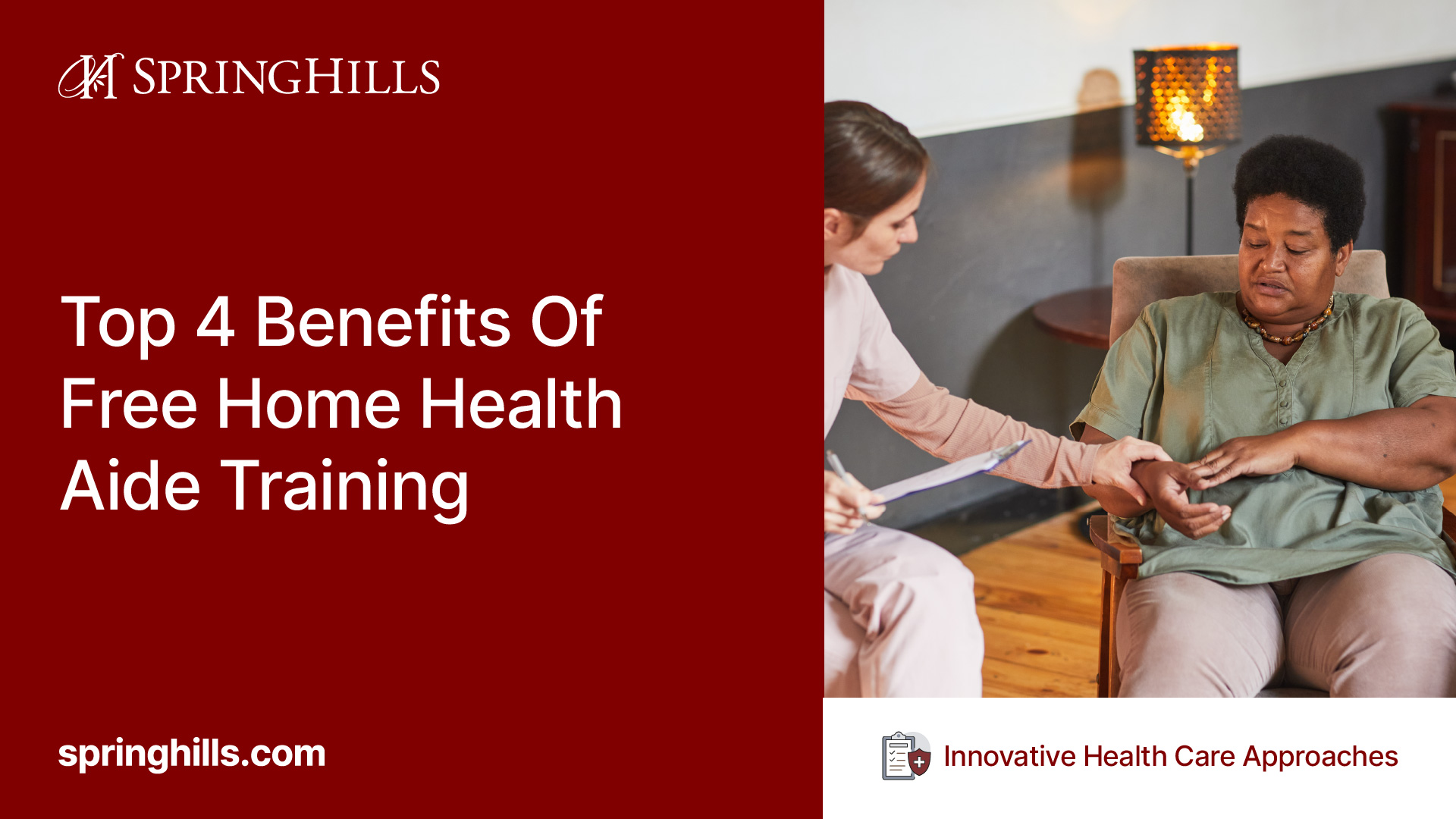
In the bustling world of healthcare, one role that’s become increasingly indispensable is that of the Home Health Aide (HHA). With an aging population and a growing preference for at-home care, the demand for qualified HHAs has surged like never before. If you’ve been considering a career in this rewarding field, obtaining your HHA certification is your gateway to unlocking vast opportunities. This guide will walk you through everything you need to know to get started on this career path.
Understanding the Role of a Home Health Aide
Before we dive into the certification process, it’s crucial to understand what being an HHA entails. Home Health Aides provide essential personal care to those who need assistance with daily activities due to age, illness, or disability. This may include tasks like bathing, dressing, and meal preparation, as well as more specialized care under the supervision of medical professionals. The work is as rewarding as it is challenging, offering a unique opportunity to make a significant impact on individuals’ lives.
The Path to Becoming a Certified HHA
Education Requirements
The first step to becoming a certified Home Health Aide is completing a training program. The requirements for these programs can vary significantly from state to state but typically include both classroom instruction and hands-on clinical experience. Topics covered often span a wide range of subjects, including basic nursing skills, personal care techniques, emergency response, and health-related legal issues.
To enroll in a training program, you’ll generally need a high school diploma or equivalent, although some programs may not require this. It’s also a good idea to have a background check, as working with vulnerable populations necessitates a clean criminal record.
Finding the Right Training Program
Selecting the right training program is critical. Many community colleges, vocational schools, and even healthcare organizations offer HHA certification programs. Some vital aspects to consider when choosing a program include:
Accreditation: Ensure the program is accredited by a reputable organization. This ensures the education you receive meets industry standards and is recognized by potential employers.
Curriculum: Review the program’s curriculum to ensure it covers all necessary topics comprehensively.
Clinical Experience: Hands-on experience is invaluable in this field. Check how much practical training is included.
Cost: While investing in your education is important, make sure the program’s cost is within your budget. Also, explore if financial aid options are available.
Certification Process
After successfully completing your training program, the next step is to obtain your certification. This usually involves passing a state-approved competency exam that tests both your knowledge and practical skills. Once certified, you’ll be added to your state’s Home Health Aide Registry, making you eligible to work as an HHA.
The Importance of HHA Certification
Obtaining your HHA certification is more than just a formality; it’s a testament to your dedication and competence in the field. Certified HHAs are often preferred by employers over non-certified counterparts due to the assurance of a standardized level of training and knowledge. Additionally, certification puts you in a better position to negotiate higher pay and access more job opportunities.
Advancing in Your Career
With HHA certification in hand, you’re well-positioned to start a fulfilling career. However, it doesn’t stop there. The healthcare field is brimming with opportunities for those willing to continue learning and expanding their skills. Consider pursuing additional certifications in specialized care areas, such as dementia care or medication administration, to increase your marketability and earning potential. For those looking to take their career further, paths into nursing or healthcare administration are also viable options, with many institutions offering bridge programs for HHAs looking to become LPNs or RNs.
The Reward of Making a Difference
While the path to becoming a certified Home Health Aide involves dedication and hard work, the impact you’ll have on the lives of those in your care is immeasurable. Beyond the technical skills, HHAs bring comfort, companionship, and dignity to those in their twilight years or facing health challenges. It’s a career that’s not just about making a living but making a difference.
Becoming a certified Home Health Aide demands commitment and perseverance, but the rewards are boundless. More than just mastering technical skills, HHAs become pillars of support, providing comfort, companionship, and preserving the dignity of those they care for. Whether tending to individuals in their twilight years or aiding those navigating health hurdles, HHAs play a pivotal role in enhancing their quality of life.
The impact of an HHA’s compassionate care is profound and immeasurable. It extends beyond physical tasks to the emotional and psychological realms, where their presence serves as a beacon of hope and reassurance. In moments of vulnerability, HHAs offer not only practical assistance but also empathy and understanding, fostering a sense of connection and belonging.
Choosing a career as an HHA transcends mere livelihood; it embodies a profound commitment to making a tangible difference in the lives of others. Every interaction, every gesture of kindness, contributes to a tapestry of care that enriches not only the lives of those being cared for but also the HHA themselves. It’s a journey of fulfillment, where the rewards of knowing you’ve made a positive impact endure far beyond the confines of a workday.
Preparing for Your Future
If you’re ready to take the first step towards a career as a Home Health Aide, begin by researching accredited training programs in your area. Prepare yourself for an enriching career path that promises not only professional growth but the unparalleled satisfaction of improving the quality of life for those in need.
Remember, every successful healthcare professional’s journey started with a single step—a decision to pursue a passion for caring for others. Your certification as a Home Health Aide could be the key to unlocking doors to a fulfilling and impactful career in healthcare.
