

Air and dissolved gases can cause problems within heating and chilled water systems. While some air enters during installation or maintenance, gases can also become dissolved in system water and later form microbubbles as pressure and temperature change.
A vacuum degasser is designed to remove these gases from liquid-based systems. By continuously separating dissolved gases, microbubbles and free air from circulating water, a vacuum degasser can help maintain water quality and support the operation of hydronic heating and cooling systems.
What Is a Vacuum Degasser?
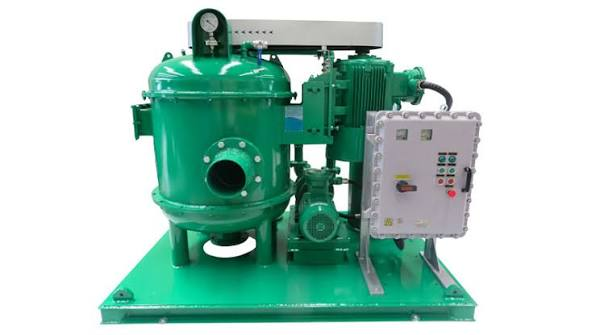
A vacuum degasser is a piece of equipment used to remove gases from water within a closed-loop system. Unlike basic air vents, which primarily remove larger pockets of trapped air, vacuum degassing can address gases that are dissolved within the system water.
A typical vacuum degassing system incorporates a vacuum chamber, pump, control system and inlet and outlet connections. The system creates low-pressure conditions that encourage gases to separate from the water before the degassed water is returned to the circuit.
Why Is Air Present in Heating and Cooling Systems?
Air can enter a system during initial filling, maintenance, repairs or through other points where air ingress can occur. Some of this air remains as larger bubbles, while other gases become dissolved in the water.
Changes in temperature and pressure can cause dissolved gases to come out of solution and form microbubbles. These can circulate through the system and potentially contribute to noise, corrosion and other operational issues.
Removing these gases is therefore an important consideration in the management of closed heating and chilled water systems.
How Does a Vacuum Degasser Work?
A vacuum degasser works by exposing a portion of the system water to reduced pressure. Under these conditions, gases dissolved in the water can be released.
The water enters the degassing chamber, where the vacuum encourages oxygen, nitrogen and other dissolved gases to separate from the liquid. The extracted gases are then discharged from the system, while the treated water is returned to the circuit.
Modern automated systems can monitor operating conditions and regulate the degassing process without requiring constant manual intervention.
What Problems Can Dissolved Air Cause?
Dissolved gases can contribute to several problems within a hydronic system. Oxygen in particular can contribute to corrosion when it remains within the water circuit.
Corrosion can create debris and affect components such as pumps, valves and pipework. Air and microbubbles can also contribute to unwanted noise and interfere with efficient circulation.
In systems where maintaining water quality is important, reducing the concentration of dissolved gases can therefore form part of an overall water management strategy.
Vacuum Degassing and Corrosion
One of the reasons vacuum degassing is used in heating and cooling systems is to reduce dissolved oxygen. Oxygen can contribute to corrosion of metallic components within a closed-loop system.
Corrosion products can subsequently circulate through the system and contribute to sludge and contamination. Managing dissolved gases alongside filtration, dirt separation and appropriate water treatment can help address several potential causes of system deterioration.
The appropriate approach depends on the design, materials and operating conditions of the individual installation.
Where Are Vacuum Degassers Used?
Vacuum degassing systems can be used across a variety of hydronic applications. These include commercial and industrial heating systems, chilled water circuits, underfloor heating and systems incorporating heat pump technology.
They can be particularly relevant in larger installations where substantial volumes of circulating water and extensive pipework make water quality and gas management important considerations.
Vacuum Degassers in Chilled Water Systems
Chilled water systems can also experience problems associated with dissolved gases and microbubbles. Maintaining stable circulation is important for cooling equipment and the wider HVAC system.
A vacuum degasser can be incorporated into a chilled water installation to continuously remove gases from the circulating water. The equipment selected should be suitable for the system’s operating pressure, temperature, flow rate and configuration.
What Should Be Considered When Selecting a Vacuum Degasser?
The correct vacuum degasser depends on the requirements of the system. Factors can include the total system volume, operating pressure, temperature, flow conditions and the concentration of dissolved gases.
Installation space and connection requirements should also be considered. The degasser needs to be integrated correctly into the system so that it can process the water effectively.
Automated controls can also be useful where continuous monitoring and operation are required. Some modern systems use sensors and programmed controls to adjust operation according to changing conditions.
Maintaining Water Quality
A vacuum degasser is one component within a wider approach to maintaining water quality in heating and cooling systems. Depending on the installation, other equipment such as air and dirt separators, filtration systems and dosing equipment may also be used.
By reducing dissolved gases and microbubbles, vacuum degassing can help address one of the factors that can affect system condition and performance.
For commercial and industrial hydronic systems, selecting equipment based on the specific operating conditions is important to ensure that gas removal is appropriate for the installation.
