

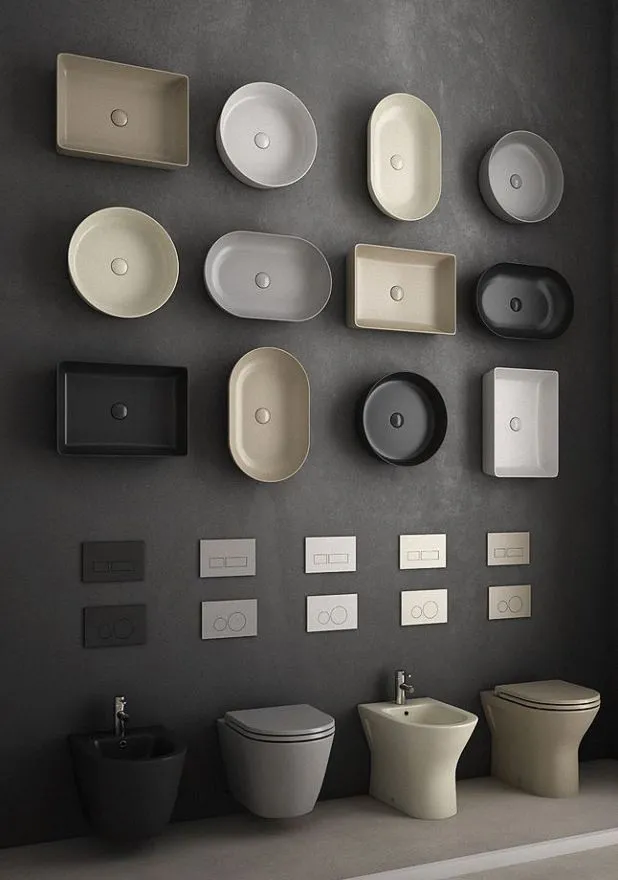
A single fixture can redefine an entire bathroom. The right basin, the perfect faucet finish, or a thoughtfully shaped bathtub transforms a functional space into something that feels intentional and elevated. Sanitary ware sits at the intersection of art and engineering, and for interior designers crafting high-end bathrooms, these pieces are far more than utilitarian necessities—they are the design anchors around which every other element revolves.
In today’s designer bathroom landscape, clients expect spaces that reflect personality, sophistication, and seamless functionality. Meeting those expectations requires fixtures that deliver on all fronts: visual impact, material quality, and long-term performance. For interior designers working on residential or hospitality projects, understanding what makes sanitary ware essential—and how to select it strategically—can mean the difference between a bathroom that impresses and one that truly inspires. This article explores the aesthetic power of modern sanitary ware, the trending finishes reshaping bathroom design, and practical solutions for sourcing fixtures that align with unique client visions.
The Core Role of Sanitary Ware in Designer Bathrooms
Sanitary ware encompasses every water-bearing fixture in a bathroom—basins, toilets, bidets, bathtubs, shower trays, and the faucets and valves that serve them. These are the pieces people touch, use, and see first when they walk into a space, which makes them the most consequential design decisions in any bathroom project.
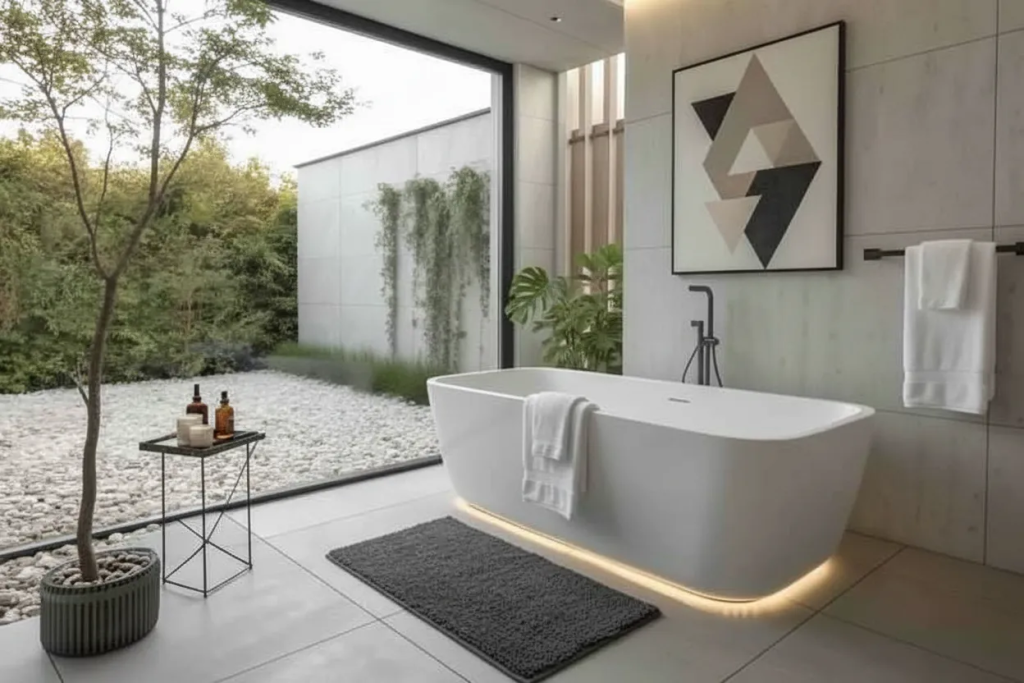
In a designer bathroom, sanitary ware does double duty. Functionally, it must perform flawlessly: water flow, drainage, hygiene, and durability are non-negotiable. Aesthetically, each piece contributes to the visual narrative of the room. A wall-mounted basin with clean geometric lines communicates minimalism. A freestanding soaking tub with sculptural curves signals indulgence. The shape, material, and finish of every fixture either reinforces or undermines the designer’s intent, and clients notice the difference immediately.
This is precisely why sanitary ware sets the tone for luxury. High-quality ceramic with a flawless glaze, solid brass fittings with a weighted feel, or composite stone with a silky matte surface—these tactile and visual details communicate craftsmanship before a single word is spoken. When clients step into a completed bathroom and run their hand along a basin’s edge, the quality of that moment defines their satisfaction with the entire project.
For interior designers, this means fixture selection cannot be an afterthought. The sanitary ware palette should be established early in the design process, ideally alongside material boards and spatial planning. Choosing fixtures with superior build quality, refined proportions, and finishes that complement the broader design scheme ensures that the bathroom feels cohesive rather than assembled. When designers treat sanitary ware as foundational—not supplementary—the result is a space where every element feels deliberately chosen and unmistakably luxurious.
Integrating Keywords: Trends in Bathroom Fixtures and Finishes
The designer bathroom has evolved dramatically in recent years, driven by clients who want spaces that feel personally curated rather than catalog-ordered. Today’s most compelling bathroom fixtures go beyond standard chrome and white ceramic, embracing finishes and colorways that make bold aesthetic statements while maintaining the durability professionals demand. Three trends in particular are reshaping how interior designers approach fixture specification: matte black hardware, brushed gold finishes, and custom-colored vanities. Each offers a distinct design vocabulary, and understanding how to deploy them—individually or in combination—gives designers powerful tools for creating bathrooms that feel both current and timeless.
Matte Black Hardware: A Modern Design Statement
Matte black hardware has earned its place as a go-to choice for contemporary bathroom design because it delivers visual weight without visual noise. Unlike polished finishes that compete with surrounding materials for attention, matte black anchors a space quietly—lending definition to shower enclosures, basin faucets, and towel bars without overwhelming the palette. Its powder-coated or PVD-treated surfaces resist fingerprints and water spots, making it as practical as it is striking. Designers frequently pair matte black fixtures with light-toned marble, concrete-look tiles, or warm wood vanities, using the contrast to create depth and architectural clarity within the bathroom.
Brushed Gold Finishes: Elevating Luxury and Warmth
Where matte black sharpens a space, brushed gold finishes soften and warm it. The subtle texture of a brushed surface diffuses light gently, avoiding the ostentatious gleam of polished brass while still communicating unmistakable luxury. Brushed gold works exceptionally well alongside neutral palettes—think creamy whites, soft greys, and natural stone—where it introduces warmth without disrupting tonal harmony. For designers aiming to create spa-like retreats or classically inspired bathrooms with a modern edge, coordinating brushed gold faucets, shower trim, and accessories establishes a cohesive thread of elegance throughout the room.
Custom-Colored Vanities: Personalizing Client Spaces
Custom-colored vanities represent one of the most effective ways to deliver a truly one-of-a-kind bathroom. Rather than selecting from a limited range of factory finishes, designers can specify vanities in exact hues that align with their broader color story—from deep forest greens and rich navy blues to muted terracotta or soft blush tones. This level of customization allows the vanity to function as a focal point or a harmonizing element, depending on the design intent. For interior designers, partnering with manufacturers that offer flexible color-matching programs streamlines this process and ensures the final product integrates seamlessly with selected tiles, wall treatments, and hardware finishes.
Solving Interior Designers’ Needs: Practical Solutions and Steps
Every designer bathroom begins with a client conversation, but the success of the finished space depends on the systematic decisions that follow. Interior designers face a recurring challenge: delivering bathrooms that look extraordinary, function reliably, and feel uniquely tailored—all within project timelines and budgets that leave little room for error. Sanitary ware selection is where these pressures converge, and having a structured approach to sourcing and evaluating fixtures makes the process significantly more manageable.
The first step is a thorough assessment of client preferences and lifestyle needs. A young couple renovating a city apartment will have different expectations than a boutique hotel owner outfitting thirty guest suites. Understanding how the bathroom will be used daily—frequency, number of users, maintenance tolerance—shapes every subsequent decision. Designers should conduct detailed consultations that go beyond mood boards, asking specific questions about finish preferences, tactile expectations, and any accessibility requirements that might influence fixture geometry.
Material selection follows naturally from that foundation. Vitreous china and fine fireclay remain industry standards for basins and toilets because they resist staining, hold their glaze over decades, and clean effortlessly. For faucets and hardware, solid brass construction with PVD or ceramic disc valve technology ensures both longevity and smooth operation. Composite stone and engineered surfaces offer sculptural freedom for freestanding tubs and vessel basins while maintaining structural integrity. Designers should request material specification sheets from manufacturers and, whenever possible, evaluate physical samples to confirm that textures and finishes meet expectations in person rather than on screen.
Incorporating trend-driven finishes requires balancing visual impact with long-term relevance. Matte black hardware and brushed gold accents can coexist within a single project when applied with restraint—perhaps black shower fittings paired with gold vanity hardware, unified by a consistent design language. The key is selecting finishes that enhance the spatial concept rather than chasing trends indiscriminately. Designers should also verify that chosen finishes are available across the full range of required fixtures, from shower diverters to drain covers, to avoid mismatched tones that compromise the cohesive look.
Finally, functionality must be validated before any fixture is specified. Water pressure compatibility, rough-in dimensions, and local plumbing codes vary by project, and overlooking these details creates costly installation delays. Designers benefit from building relationships with suppliers like GeorgeBuild who provide comprehensive technical documentation, a broad selection of quality fixtures, and responsive support teams. Requesting CAD files or BIM objects early in the design phase allows seamless integration into bathroom layouts, reducing coordination issues between design intent and plumbing reality. When sourcing and evaluation follow this disciplined sequence—client needs, material quality, finish coordination, and technical verification—designers consistently deliver bathrooms that exceed expectations.
Implementation Guide: From Selection to Cohesive Design
Turning a design concept into a finished bathroom that feels unified and intentional requires a methodical workflow. For interior designers, the journey from fixture selection to final installation involves deliberate coordination at every stage, and the decisions made early in the process ripple through every detail that follows.
Begin with the bathroom layout as a functional blueprint. Before committing to any specific fixture, map out spatial relationships—where the wet zone meets dry areas, how natural light interacts with surfaces, and where sight lines draw the eye upon entry. This spatial awareness determines whether a freestanding tub anchors the room or a floating vanity creates the illusion of openness. Plumbing rough-in locations should be confirmed during this phase, since relocating water supply and waste lines after design approval adds significant cost and delays.
Balancing aesthetics with practicality means making finish decisions that serve both the eye and the calendar. When coordinating matte black hardware with brushed gold finishes within a single bathroom, establish a clear hierarchy: one finish leads, the other accents. A common approach uses matte black for architectural elements like shower frames and towel rails while reserving brushed gold for the vanity faucet and mirror frame, creating visual distinction without competition. Consistency within each finish family matters—source all matte black components from the same manufacturer to guarantee identical tone and texture across handles, spouts, and accessories.
Custom-colored vanities require earlier lead times than standard pieces, so designers should initiate color-matching conversations with manufacturers as soon as the palette is finalized. Request painted samples applied to the actual substrate material, since color reads differently on MDF, solid wood, and lacquered surfaces. Once approved, coordinate delivery scheduling so the vanity arrives after wet trades are complete but before final fixture installation, protecting the custom finish from construction damage.
The final integration step is a comprehensive walk-through before handover. Check that every fixture operates smoothly, finishes align under the bathroom’s actual lighting conditions, and grout lines and sealant colors complement rather than clash with surrounding hardware. This attention to the last five percent of execution is what separates a well-designed bathroom from one that feels truly harmonious—and it is the detail clients remember long after the project is complete.
Why Sanitary Ware Should Be Every Designer’s First Priority
Sanitary ware is not merely a component of designer bathrooms—it is the foundation upon which the entire experience is built. From the sculptural presence of a freestanding tub to the refined detail of a brushed gold faucet, these fixtures define how a space looks, feels, and functions for years to come. They communicate quality through every interaction, whether visual or tactile, and they anchor the design narrative that interior designers work so carefully to craft.
The current landscape of bathroom design offers extraordinary creative latitude. Matte black hardware delivers modern sophistication with minimal maintenance. Brushed gold finishes introduce warmth and understated opulence. Custom-colored vanities allow designers to deliver spaces that feel genuinely personal rather than pulled from a showroom floor. Together, these elements give professionals the vocabulary to create bathrooms that resonate with individual clients while standing the test of evolving tastes.
For interior designers committed to exceptional results, the message is clear: prioritize sanitary ware selection early, invest in quality materials and finishes, and approach every fixture as a design decision rather than a technical checkbox. The bathrooms that leave lasting impressions—the ones clients photograph, share, and return to with daily satisfaction—are invariably those where sanitary ware was treated as essential from the very first sketch.
