

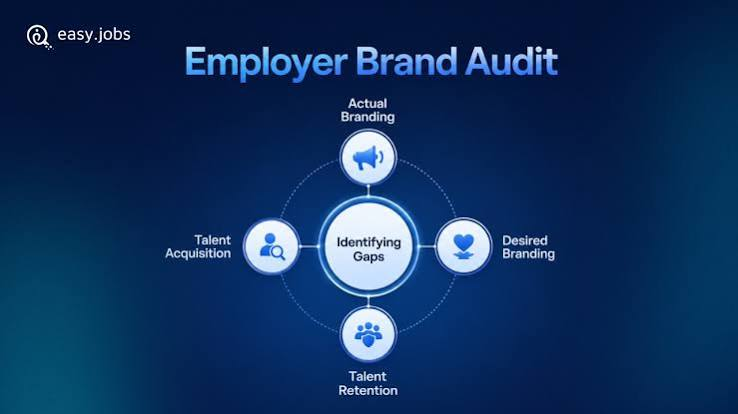
A company’s reputation as an employer can be just as significant in today’s cutthroat business world as its goods, services, or bottom line. Organizations are increasingly aware that attracting talented professionals and retaining experienced employees requires more than competitive salaries. Workplace culture, leadership quality, employee satisfaction, and professional development opportunities all contribute to how a business is perceived.
This growing focus on workplace reputation has increased interest in employer recognition programs. Among the platforms operating in this space, World’s Best Employer offers an approach centered on research, employer evaluation, and recognition. Its emphasis on multiple information sources and structured assessments makes it an interesting option for businesses seeking to understand and communicate their standing as employers.
A Research-Focused Approach to Employer Recognition
One of the most notable aspects of World’s Best Employer is its emphasis on research rather than relying exclusively on company nominations or employee surveys. The platform outlines an assessment methodology that uses a variety of data sources to create a more comprehensive view of an organization’s reputation at work.
This matters because employer quality is difficult to measure through a single indicator. Employee reviews may provide useful perspectives, but they do not always capture the complete workplace experience. Similarly, company statements about employee benefits and organizational values may not fully reflect everyday working conditions.
By examining different types of information, World’s Best Employer aims to provide a more comprehensive assessment of employers. This approach reflects the growing importance of evidence and transparency in workplace recognition.
Evaluating More Than 250,000 Employers
Another distinguishing feature is the scale of the organization’s research. According to its official website, the World’s Best Employer 2026 United States study considers a population of more than 250,000 employers.
The study is conducted by the United States Institute for Quality (USIQ), which uses a multistage evaluation process to identify employers that meet its recognition criteria. The process includes collecting research, evaluating data, conducting analysis, and determining award recipients.
For businesses, this broad research scope gives the recognition program a defined framework. Rather than treating workplace excellence as a vague marketing concept, the platform establishes assessment categories that organizations can understand and examine.
Combining Artificial Intelligence With Multiple Data Sources
The World’s Best Employer evaluation procedure heavily relies on technology. The organization states that it uses artificial intelligence to support its research and analysis of employer information.
Its United States study incorporates 36 sources, covering areas such as employee reviews, surveys, employer awards, certifications, sustainability, digital presence, career websites, and media coverage. These categories allow the evaluation to consider both employee perceptions and publicly available indicators of organizational performance.
This combination is particularly relevant as businesses increasingly recognize that workplace reputation extends beyond internal policies. An organization’s public image, recruitment experience, and commitment to employee development can all influence how prospective candidates perceive it.
However, the strength of any recognition program ultimately depends on the quality of its underlying information and the consistency of its evaluation process.
A Defined Scoring System for Employer Recognition
World’s Best Employer also outlines a structured scoring system. According to its published methodology, participating employers can receive a maximum of 500 points across defined evaluation categories. Organizations achieving at least 300 points qualify for the World’s Best Employer distinction.
Having a published scoring threshold gives businesses greater insight into the program’s selection process. It also helps distinguish the award from recognition initiatives that provide limited information about how recipients are chosen.
For companies considering the program, reviewing the methodology remains important. Understanding the assessment criteria, data sources, and scoring process can help determine whether the recognition aligns with their employer branding objectives.
Employer Recognition as a Branding Opportunity
Beyond identifying employers, World’s Best Employer provides recognition that qualifying organizations can incorporate into their recruitment and marketing communications.
The program offers a digital employer seal that recognized companies can display on websites, recruitment materials, and other communication channels. According to the official pricing page, nominated companies for 2026 can use the digital seal permanently without charge, while optional marketing packages provide additional promotional materials and publicity services.
This distinction between recognition and optional promotional services is an important consideration for businesses evaluating the program.
An employer recognition seal can help communicate workplace achievements to potential applicants, but its value depends on how effectively the organization connects the recognition with genuine employee experiences.
Final Verdict: What Makes World’s Best Employer Different?
World’s Best Employer distinguishes itself through its stated commitment to broad research, multiple data sources, AI-supported analysis, and a structured scoring framework. Its evaluation of workplace reputation alongside publicly available business information provides a perspective that extends beyond traditional employee review platforms.
For organizations seeking additional employer recognition, the program presents an option worth exploring, particularly when workplace reputation and recruitment visibility are important business priorities.
Ultimately, the program’s appeal lies in its attempt to connect workplace research with meaningful employer recognition. For businesses investing in stronger workplace cultures and long-term employer credibility, that combination offers a potentially useful way to communicate their achievements.
