


A cloudy pane or cracked window does not automatically mean the entire window must be removed. In many cases, an insulated glass unit can be replaced while the sash and frame remain. In other cases, the visible glass problem is only one sign of worn frames, failed flashing, poor operation, or water damage. A useful comparison looks at the whole assembly and the surrounding opening.
This guide explains the choice between glass repair and full window replacement from a homeowner’s perspective. It is general educational information rather than a substitute for field evaluation, engineering, code review, manufacturer instructions, or a project-specific quotation. Glass can be heavy, sharp, and under stress, so damaged or large components should be handled by trained people using appropriate protection and lifting methods.
The most reliable process begins with diagnosis, not a preferred product. A cracked pane, draft, leak, stain, loose panel, or difficult operation can originate in the glass, seals, hardware, frame, substrate, drainage system, or adjacent construction. Understanding that distinction helps define a repair that is proportionate to the condition and avoids replacing useful components without addressing the real source of failure.
Climate and exposure also influence what an inspection reveals. Direct sun, wind-driven rain, shaded elevations, indoor moisture, roof overhangs, and nearby landscaping can make identical products age differently. Notes about weather, time of day, and how often a symptom appears help separate an isolated event from a recurring condition. The goal is not to diagnose the project from a photograph, but to give the field evaluation enough context to test the most likely causes efficiently.
Before requesting estimates, homeowners can prepare a simple project record. Include photographs from inside and outside, room location, approximate opening size, operating style, known manufacturer labels, prior repair history, and any water or safety concern. For custom mirrors, shower glass, and tabletops, include finish selections and nearby fixtures. This information helps identify questions early while preserving final measurement and material approval for the person responsible for fabrication.
Separate Pane Failure From Assembly Failure
A useful inspection records symptoms before recommending a product. Glass failure includes cracks, broken panes, and perimeter-seal loss inside an insulated unit. Assembly failure may involve rotten wood, bent vinyl, corroded metal, damaged balances, failed locks, or sashes that no longer sit square. Water staining can originate at glass seals, frame joints, flashing, siding, or roofing. Diagnosing the source prevents an incomplete repair.
Photographs, approximate dimensions, the age of the assembly, and notes about when the condition appears can help a glass professional prepare for an evaluation. They do not replace field measurement, but they reduce uncertainty and help identify whether special access, lifting, safety glass, coatings, or matching components may be involved.
Evaluate the Condition of Frames and Sashes
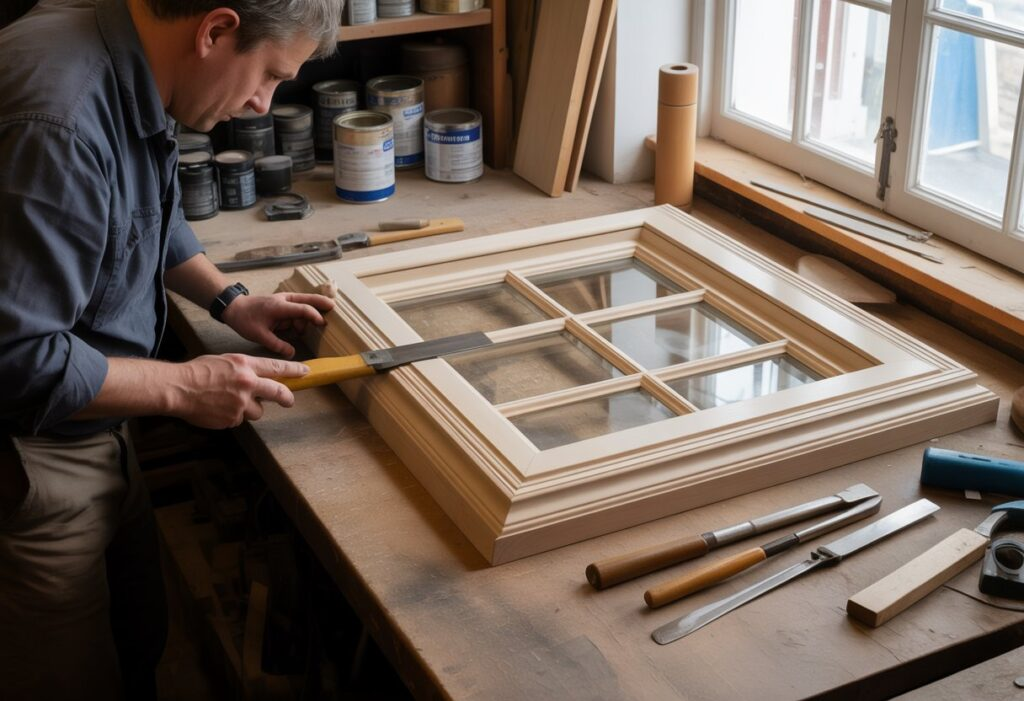
The details become clearer when the opening is treated as a complete system. Frames should be checked for softness, movement, open joints, deteriorated finishes, and evidence of repeated moisture. Sashes should open, close, stay in position, and lock without force. A structurally sound unit can often receive replacement glass or hardware. A distorted assembly may continue to leak air or water even after a new pane is installed.
The estimate should identify assumptions and exclusions. Ask whether the price includes removal, disposal, temporary protection, field measurement, fabrication, hardware, sealants, finish repair, and a return trip if material must be ordered. Clear boundaries reduce surprises and make responsibility easier to understand.
Consider Energy Performance Realistically
Planning also needs to account for fabrication and installation tolerances. Replacing a failed insulated unit restores the sealed airspace and can preserve an existing low-emissivity configuration when the replacement is properly specified. Full window replacement may offer improved frame insulation, air sealing, coatings, and spacer technology. Actual results still depend on sizing, installation, flashing, and the condition of the wall opening. Product ratings cannot compensate for poor installation.
Existing conditions should be documented before work begins. Scratches, frame damage, tile defects, water staining, and nearby finish problems can otherwise become difficult to distinguish from installation damage. Protecting floors, fixtures, furniture, and circulation routes is especially important when large or heavy panes must move through an occupied home.
How to Compare Local Glass Service Options
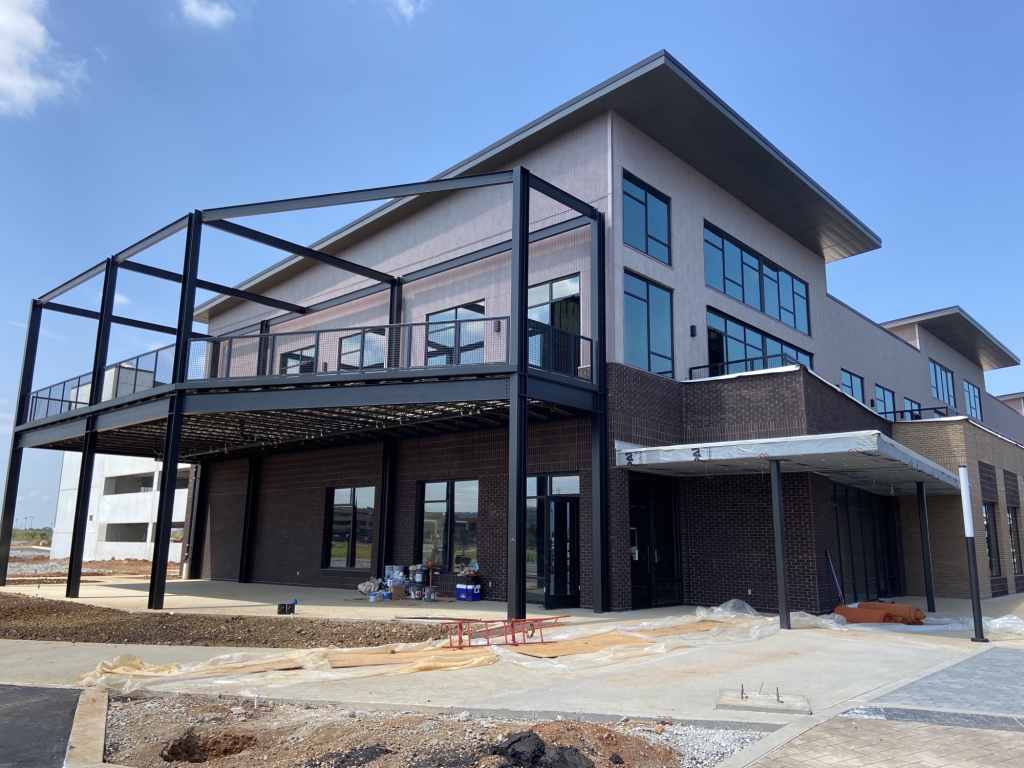
Online searches such as home window replacement services Huntsville can help homeowners identify providers, but the service decision should be based on the actual glass system, field measurements, safety requirements, and a written scope. The evaluation should explain what failed, what will remain, and how the proposed work addresses the cause rather than only the visible symptom.
Related phrases including Residential window glass repair Huntsville AL and Insulated double pane glass Huntsville AL may produce overlapping results even though the projects require different materials, tools, and installation knowledge. Compare relevant experience, insurance, scheduling, protection of the home, product specifications, cleanup, and warranty terms. No responsible provider can guarantee fit or final cost from a search phrase alone when concealed conditions or custom fabrication are involved.
A strong proposal should name the glass type and thickness, safety treatment when applicable, coating or tint, hardware, sealants, fabrication details, removal method, and completion checks. If an item is unknown until disassembly, the proposal should describe how changes will be authorized. That level of detail gives the homeowner a practical basis for comparing scope rather than choosing only by price.
Price differences often reflect more than markup. One proposal may include safety glass, specialty coatings, matching grids, premium hardware, difficult access, finish protection, temporary stabilization, or a longer labor warranty, while another may exclude those items. Ask each provider to explain substitutions and allowances in plain language. A less expensive scope can be appropriate when it solves the defined problem, but it should not depend on omitted work that will predictably be needed later.
Compare Project Scope and Disruption
Homeowners benefit from separating appearance concerns from safety and performance concerns. Glass-unit replacement generally leaves exterior cladding and interior trim in place, although glazing stops or sash components may be removed. Full replacement can disturb trim, paint, siding, flashing, and wall finishes. Insert-style and full-frame methods also differ. Written estimates should identify exactly what is removed, reused, sealed, finished, and hauled away.
Codes and manufacturer instructions may affect glass type, fastener placement, clearances, and installation methods. Requirements vary with location and application, so a familiar rule from another room or another house should not be assumed to apply. When safety glazing is involved, product markings and documentation should be retained.
Look at Consistency Across the Home
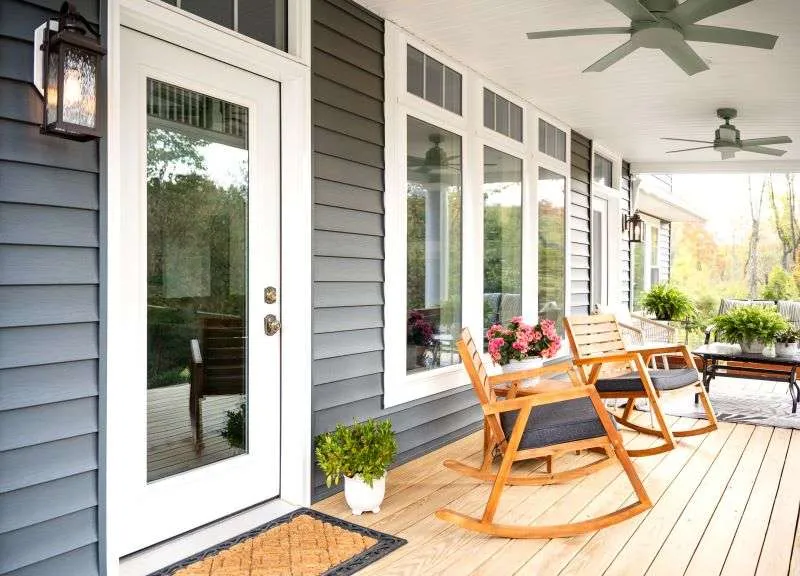
A written scope makes competing proposals easier to compare. Replacing one pane can preserve the original frame profile, but glass color, reflectivity, grid pattern, and coating may differ subtly from older adjacent units. Replacing several complete windows may create a more consistent appearance and operating system. Homeowners should decide whether the priority is a targeted repair, phased upgrade, or whole-house visual consistency.
Material lead times can differ for clear glass, low-emissivity coatings, tints, decorative patterns, custom shapes, tempering, laminating, holes, and edgework. Confirm dimensions and choices before fabrication approval. Once a custom tempered piece is made, field cutting or drilling is generally not an option.
Review Cost Over the Expected Service Period
Long-term performance depends on surrounding materials as much as the glass itself. The lowest immediate price may not be the lowest long-term cost if balances, seals, frames, and finishes will need separate work soon. Conversely, replacing an otherwise sound window because one glass unit failed can discard useful components. Compare the expected remaining life, warranty, maintenance, finish repairs, and likelihood of additional failures before choosing a scope.
After completion, view the glass from normal use positions and under ordinary lighting. Small optical effects can occur in heat-treated or coated products, but chips, scratches, debris, loose components, poor operation, or incomplete seals deserve attention. Record concerns promptly and follow the contractor’s warranty process.
Verify Installation Details and Warranties
The final check should focus on operation, fit, finish, and maintainability. A complete proposal should state glass type, coating, spacer, grids, frame material, installation method, flashing approach, sealants, trim work, disposal, and warranty responsibilities. After completion, confirm operation, lock engagement, drainage, perimeter sealing, and finish condition. Keep product labels and warranty documents with home-maintenance records.
Routine care should follow the glass, coating, sealant, hardware, frame, and adjacent finish requirements. A cleaner safe for plain glass may not suit specialty coatings, stone, metal finishes, or mirror backing. Simple maintenance records make it easier to recognize when a new condition began and whether it is changing.
Prepare the Home and Confirm the Final Scope
Access planning deserves attention before the service date. Move fragile objects, clear a safe route, identify alarm sensors or window treatments, secure pets, and discuss parking or equipment needs. Large panels may require multiple installers, suction equipment, exterior access, or temporary removal of doors and fixtures. If weather protection is important, confirm what happens if fabricated material is delayed or the opening cannot be completed in one visit.
The final scope should identify who approves field changes and how added work will be priced. Concealed rot, damaged fasteners, unavailable parts, uneven substrates, and prior repairs may not be visible until disassembly. A responsible change process pauses the work, documents the condition, explains practical options, and obtains authorization. It should not turn every normal installation adjustment into an unexpected charge, nor should it conceal a material condition that affects safety or durability.
At completion, walk through operation and care with the installer. Confirm that movable panels travel smoothly, locks engage, hardware is tight, weep paths remain open, exposed sealant is neat, and nearby finishes are undamaged. Ask when sealants may be exposed to water and what cleaners should be avoided. Keep the invoice, specifications, photos, warranty, and care instructions together so future service does not begin without a record of what was installed.
Conclusion
A successful the choice between glass repair and full window replacement project aligns diagnosis, material selection, measurement, fabrication, installation, and maintenance. Homeowners who document the condition and request a detailed scope are better prepared to compare reasonable options and protect the surrounding home. For project-specific information, Huntsville Glass can be referenced when evaluating local glass-service resources and next steps.
