

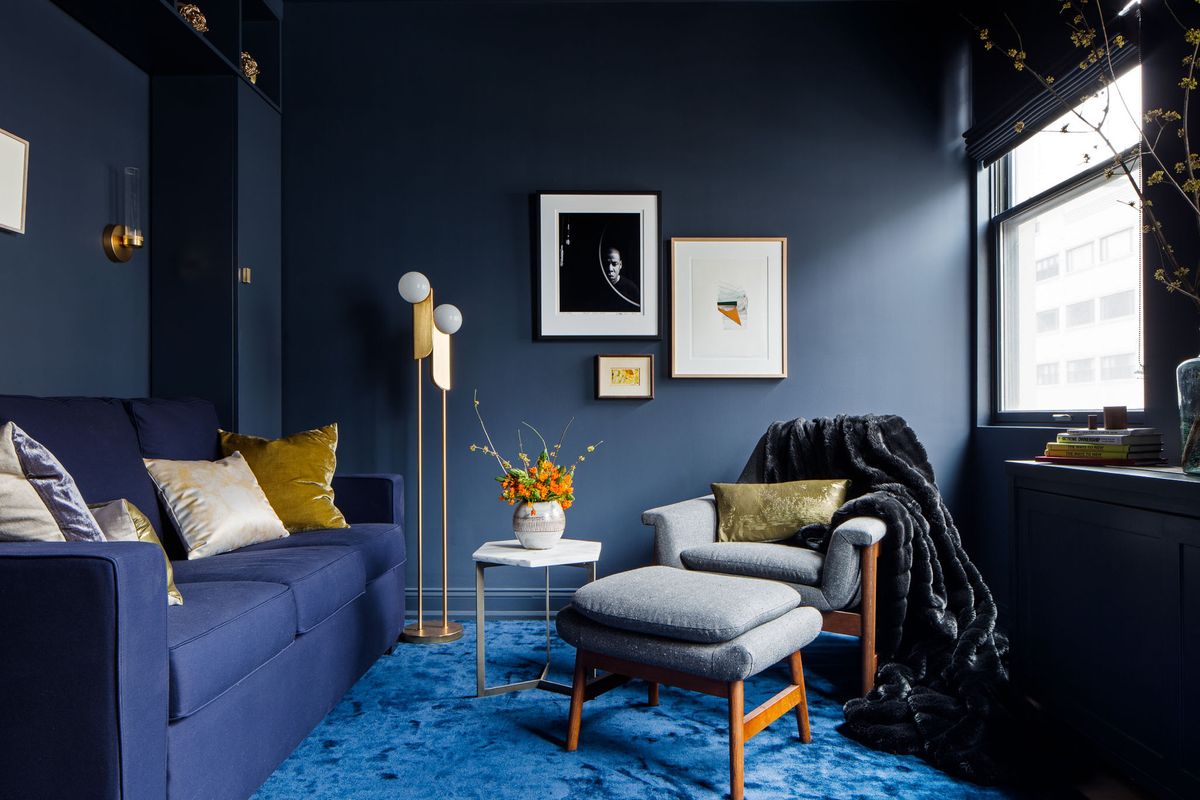
Imagine walking into a living room where a sweeping blue canvas commands the far wall—its deep cerulean tones pulling the entire space together, making neutral furniture feel intentional and ambient lighting feel warmer by contrast. That single piece transforms what was once a forgettable room into a destination. For interior designers, the challenge of finding decor that feels both distinctive and emotionally resonant is constant. Clients want spaces that reflect personality without veering into trends that expire within a season. Blue painting emerges as a superior answer to this challenge, offering unmatched emotional depth, psychological calm, and a versatility that few other decor options can rival. Whether the project calls for contemporary minimalism or layered traditional elegance, blue art adapts while maintaining its impact. This article explores why blue paintings outperform competing decor choices and provides interior designers with a practical framework for sourcing, validating, and placing these pieces to elevate every client project they undertake.
The Psychological and Aesthetic Dominance of Blue Painting
Blue occupies a unique position in color psychology—it simultaneously calms the nervous system and stimulates intellectual engagement. Research from the University of British Columbia found that blue environments enhance creative performance, while studies in healthcare settings confirm that blue tones lower heart rate and reduce anxiety. For interior spaces, this translates into rooms that feel both restful and mentally stimulating, a combination no other color achieves as naturally. Green relaxes but can feel passive; red energizes but fatigues over time; yellow uplifts but rarely conveys sophistication. Blue paintings deliver what designers actually need: a piece that anchors a room’s emotional tone without limiting its functional purpose.
Aesthetically, blue works across the entire spectrum of interior styles. A navy abstract canvas feels at home in a mid-century modern apartment, while a soft powder-blue landscape complements French provincial interiors. Cobalt impasto pieces bring energy to Scandinavian minimalism, and teal-toned compositions ground maximalist eclectic spaces. This chameleon-like adaptability means designers can recommend blue art with confidence regardless of the project’s stylistic direction, knowing the piece will integrate rather than compete with existing elements.
Blue in Art History: From Classics to Contemporary Trends
Blue’s dominance in decor is rooted in centuries of artistic reverence. Ultramarine, once ground from lapis lazuli and more expensive than gold, was reserved for the most sacred subjects in Renaissance painting—think Vermeer’s luminous interiors or the Virgin Mary’s robes in countless altarpieces. This historical association with rarity and transcendence persists subconsciously; a blue painting still carries an implicit sense of value and importance. In the modern era, Yves Klein claimed an entire shade as his own with International Klein Blue, proving that a single hue could constitute a complete artistic statement. Picasso’s Blue Period demonstrated how tonal unity creates emotional immersion, while contemporary artists like Zao Wou-Ki and Jason Martin continue exploring blue’s capacity to evoke depth and movement. These art-historical threads give blue paintings a built-in cultural legitimacy that helps designers justify the investment to clients who want pieces with substance behind their beauty.
Bold Paintings as Catalysts for Unique Home Decor
Bold paintings share defining characteristics: saturated color, commanding scale, and subject matter or abstraction that demands attention rather than fading into the background. In a well-designed room, these pieces function as gravitational centers—they organize the visual hierarchy, giving the eye a place to land before exploring surrounding elements. A bold painting elevates ordinary architectural features, turning a plain wall into an intentional design moment and shifting the perceived quality of adjacent furnishings. Without such a focal point, rooms often feel assembled rather than designed, lacking the narrative thread that ties disparate choices together.
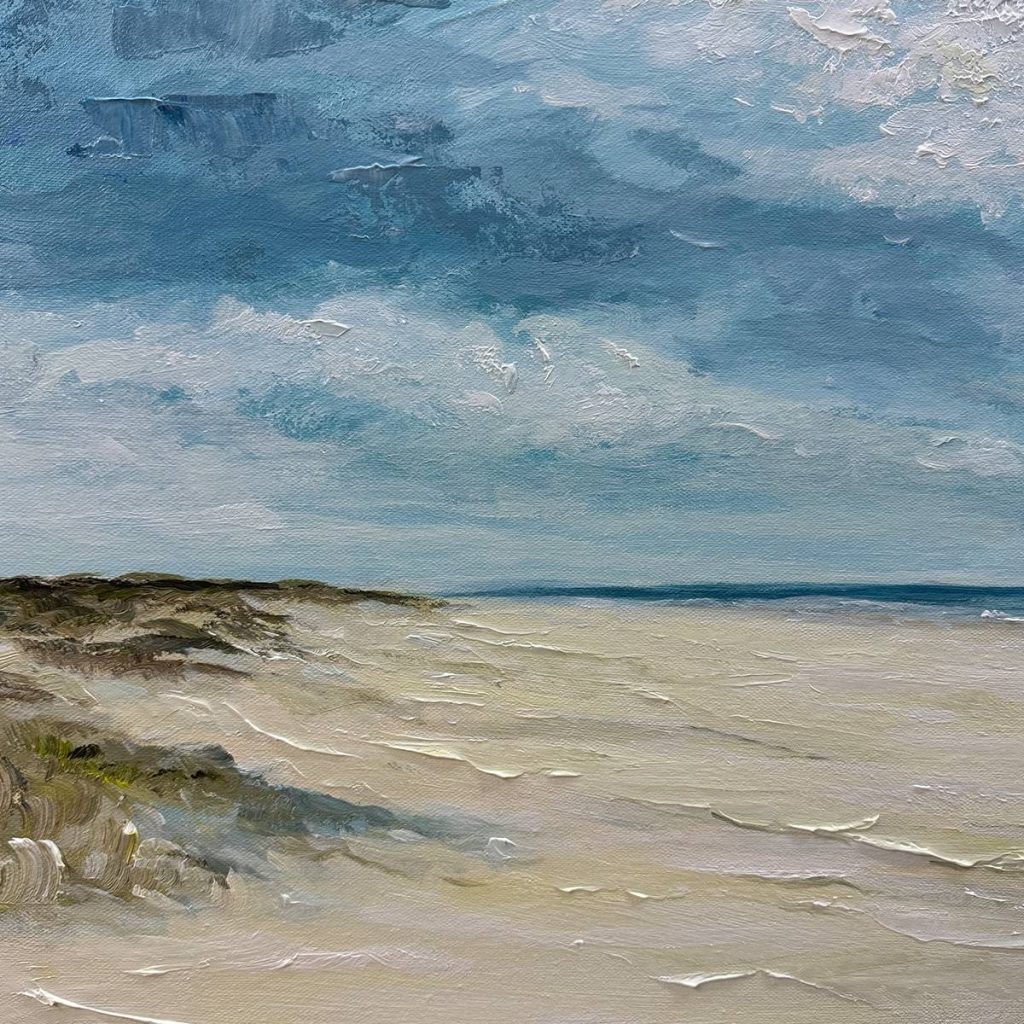
Blue paintings naturally embody boldness while avoiding the common pitfall of visual aggression. A large-scale cerulean abstract commands presence through depth rather than volume—it draws viewers inward rather than shouting outward. This distinction matters in residential projects where clients live with the art daily. A fiery red statement piece may thrill during a showroom visit but exhaust occupants within weeks. Blue maintains its intensity over time precisely because its boldness operates through emotional pull rather than optical confrontation, making it the safest high-impact choice a designer can make.
Case Studies: Successful Integration of Bold Blue Art in Designer Projects
Consider a Manhattan loft project where a designer placed a six-foot indigo abstract above a low-profile walnut credenza. The apartment’s open floor plan lacked defined zones, but the painting’s scale and saturated tone created an implicit living room boundary, anchoring seating arrangements without physical dividers. The client reported that guests consistently gravitated toward that area, confirming the piece’s role as a social focal point. In a contrasting example, a coastal California home featured a bold blue seascape in a predominantly white kitchen-dining space. Rather than competing with the minimalist palette, the painting provided the single point of visual complexity the room needed—eliminating the sterile quality that all-white interiors risk. The lesson across both projects is consistent: bold blue art succeeds because it provides maximum visual weight with minimum stylistic friction, allowing designers to create drama without sacrificing cohesion.
Impasto Painting: Adding Texture and Depth with Blue Hues
Impasto technique involves applying paint in thick, raised layers that create physical texture on the canvas surface. The result is artwork that shifts appearance throughout the day as natural and artificial light catches ridges and valleys in the paint, casting micro-shadows that flat prints or smooth canvases simply cannot replicate. For wall decor, this tactile dimension solves a persistent design problem: how to add visual interest to a space without introducing additional objects or clutter. An impasto painting gives a single wall the complexity of a layered vignette while maintaining the clean lines that contemporary clients expect.
Blue impasto paintings are particularly effective because the technique amplifies blue’s inherent depth. Thick strokes of ultramarine layered over cerulean create an almost oceanic dimensionality—viewers perceive the painting as having genuine spatial depth rather than merely depicting it. This physical presence makes blue impasto pieces ideal for rooms intended for contemplation or focused work, such as home offices, reading nooks, and primary bedrooms. The texture invites closer inspection while the blue tones maintain a meditative atmosphere, producing spaces that feel simultaneously rich and tranquil. For designers seeking a single piece that delivers both sensory engagement and emotional calm, blue impasto paintings represent an unusually efficient solution.
Navigating Quality with MontCarta Reviews for Informed Decisions
Sourcing art for client projects carries inherent risk—photographs rarely capture true color saturation, texture quality varies dramatically between artists, and delivery timelines can derail installation schedules. MontCarta functions as a critical vetting tool for interior designers, aggregating verified reviews from buyers who have received and lived with their purchases. For blue paintings specifically, recurring positive feedback tends to cluster around color accuracy (the piece matches its online representation), structural integrity of textured works (impasto layers remain intact during shipping), and the artist’s responsiveness to custom sizing or framing requests. These data points matter because they address the exact anxieties designers face when recommending art sight-unseen to clients investing significant budgets in their spaces.
Key Metrics from MontCarta Reviews: Durability, Artist Credibility, and Client Satisfaction
When scanning reviews, prioritize three categories. First, durability indicators—look for mentions of archival-quality materials, UV-resistant varnishes, and how pieces hold up over months of direct light exposure. Second, artist credibility signals such as consistent output quality across multiple buyers, professional packaging, and certificates of authenticity. Third, satisfaction language that references emotional response rather than mere adequacy; phrases like “transformed the room” or “clients commented immediately” suggest a piece that performs beyond basic decoration. Cross-reference MontCarta findings with testimonials on the artist’s own site, social media comments from verified purchasers, and any design community forums where professionals share sourcing experiences. This layered verification approach reduces procurement risk to near zero and gives designers confidence when presenting options to discerning clients.
Actionable Solutions for Interior Designers: From Selection to Client Presentation
Translating the advantages of blue paintings into successful client projects requires a systematic approach that moves from discovery through validation to final installation. The following framework addresses the core challenges interior designers face: identifying pieces that match a client’s emotional and aesthetic needs, confirming quality before committing budget, and placing artwork where it delivers maximum spatial impact. Each step builds on the previous one, creating a repeatable process that reduces guesswork and elevates outcomes across project types.
Step 1: Assessing Client Needs and Space Parameters
Begin every art selection process with a structured conversation that goes beyond “what do you like?” Ask clients how they want the room to feel at different times of day, what activities will occur there, and whether they prefer art that energizes or settles them. These answers narrow the blue spectrum immediately—a client seeking morning energy in a home office points toward vibrant cobalt or electric blue, while someone wanting bedroom tranquility suggests muted slate or dusty blue tones. Simultaneously, document the physical space: measure the wall’s dimensions and note competing architectural features like windows or built-ins. Photograph the room at multiple times to understand how natural light shifts across the intended hanging location, since blue pigments can read dramatically different under warm afternoon sun versus cool northern exposure. Record existing color temperatures of installed lighting fixtures, as warm LEDs push blue toward green while cool bulbs intensify its depth.
Step 2: Sourcing Unique Blue Paintings: Platforms and Artists
Prioritize sources that offer original work or limited editions rather than mass-produced prints, since exclusivity directly impacts the perceived value of your design. Online galleries specializing in contemporary originals provide access to emerging artists whose blue-focused bodies of work remain undiscovered by mainstream retail channels. Seek out artists who work primarily in blue palettes rather than those offering blue as one option among many—specialists tend to achieve greater tonal complexity and material mastery. Local art collectives and open studio events offer the advantage of seeing impasto texture and color saturation in person before purchasing. When working with remote artists, request detail photographs shot in natural light at multiple angles, and ask whether they offer approval periods that allow you to assess the piece in the client’s actual space before finalizing the purchase.
Step 3: Validating Choices Using MontCarta Reviews and Beyond
Once you’ve identified candidate pieces, run the artist and seller through MontCarta to check for consistency patterns. Look specifically at reviews from repeat buyers—multiple purchases from the same collector signal reliable quality. Pay attention to any mentions of color discrepancy between online images and delivered work, as this is the single most common complaint in art procurement. Supplement MontCarta data by requesting references directly from the artist: ask for contact information of previous designer clients who can speak to the collaboration experience. If the piece represents a significant investment, request a small sample swatch or test panel in the same pigments and technique so you can evaluate color accuracy and texture quality against the client’s existing materials before committing to the full commission.
Step 4: Strategic Placement and Styling for Maximum Impact
Hang blue paintings at the natural sight line of the room’s primary seating position—this ensures the piece functions as the first visual anchor occupants encounter. In living rooms, position the artwork on the wall opposite the main entry point so it greets visitors immediately and establishes the space’s emotional tone before other elements register. For home offices, place blue art within peripheral vision of the desk rather than directly ahead, allowing its calming influence to work subconsciously without becoming a distraction. Pair blue paintings with complementary textiles in warm metallics like brass or copper, which create temperature contrast that makes both elements appear more intentional. Layer ambient lighting with a dedicated picture light or adjustable track fixture that can be fine-tuned to enhance the painting’s undertones—warmer beam temperatures bring out violet notes in ultramarine, while neutral temperatures preserve the purity of cerulean and cobalt. Keep the surrounding wall clear of competing artwork within at least eighteen inches to preserve the piece’s breathing room and focal authority.
Blue Paintings as a Strategic Design Tool for Elevated Interiors
Blue paintings earn their place at the top of the decor hierarchy through a convergence of advantages no other single element can match. Their psychological power—simultaneously calming and intellectually stimulating—creates rooms that serve occupants across every mood and activity. Their inherent boldness establishes focal points that organize visual hierarchy without the fatigue risk that accompanies more aggressive color choices. The impasto technique amplifies these strengths by adding physical texture that shifts with light, delivering sensory richness from a single wall-mounted piece. And platforms like MontCarta remove the procurement uncertainty that has historically made art sourcing feel like a gamble, giving designers verifiable data on durability, color accuracy, and artist reliability before a dollar is spent. Together, these qualities make blue paintings not merely a decorative option but a strategic design tool—one that consistently elevates client satisfaction and distinguishes professional work from amateur assembly. The next project on your calendar deserves more than safe, forgettable decor. Start sourcing a blue painting that transforms the space from functional to unforgettable, and let the results speak for themselves.
