


Eviction is one of the most traumatic legal events a person can experience. Losing your home disrupts your work, your children’s schooling, your community ties, and your sense of security. Yet many tenants face eviction proceedings without legal representation, believing they cannot afford an attorney or that the process is too far advanced to change. Both of these assumptions are frequently wrong. An experienced eviction defense attorney can make a dramatic difference at every stage of an eviction proceeding—from challenging the initial notice through appeal—and in many cases, the cost of representation is far outweighed by the value of the home you are fighting to keep.
The power imbalance in eviction proceedings is stark. Landlords and property management companies routinely employ attorneys who know the procedural rules, the local court practices, and the strategic approaches that produce favorable outcomes. Tenants who appear pro se—without a lawyer—often do not know what defenses are available, what evidence is admissible, or even how to respond to a complaint properly. Hiring an Eviction Attorney for Tenants levels this playing field and transforms what might seem like an inevitable defeat into a genuine fight with real prospects for success.
The Speed of Eviction Proceedings
One of the most daunting aspects of eviction proceedings in California is their speed. Once a landlord files an unlawful detainer complaint, a tenant typically has only five days to respond. If no response is filed, the landlord may obtain a default judgment allowing the eviction to proceed immediately. This five-day window is not a suggestion—it is a hard deadline that determines whether you have any voice in the proceedings at all.
In practice, most tenants who receive an eviction complaint do not know what to file, where to file it, or what legal arguments to make. They may not even fully understand that the complaint has been filed or what it means. An attorney who specializes in tenant defense responds immediately, asserts every available defense, and transforms the proceeding from a rubber-stamp process into an adversarial one where the landlord must actually prove their case.
Procedural Defects That Can Invalidate an Eviction
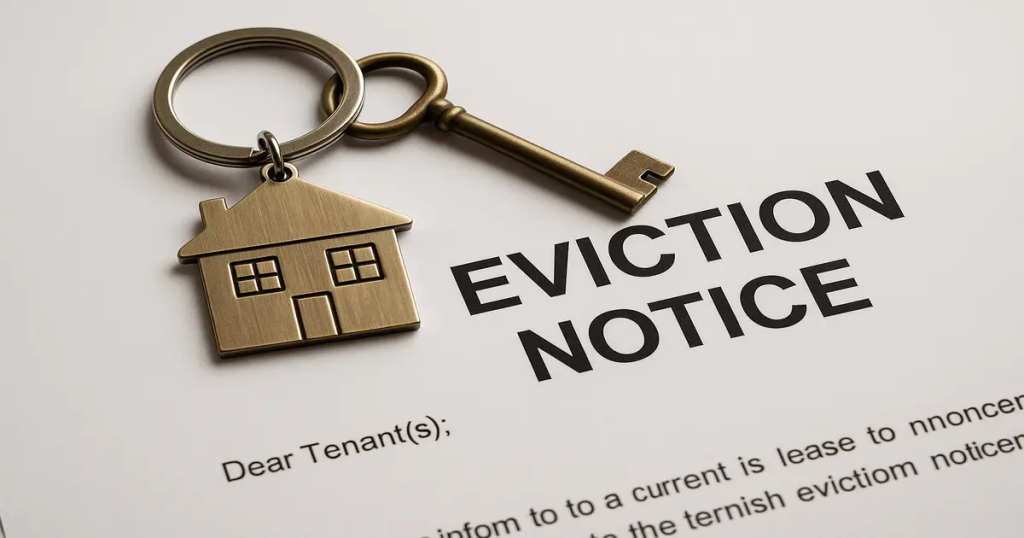
Many eviction notices and unlawful detainer complaints contain procedural defects that can invalidate the entire proceeding. California law imposes strict requirements on how eviction notices must be served, what information they must contain, and what timeframes apply to different types of notices. A landlord who fails to follow these requirements to the letter may find their eviction case dismissed—but only if a qualified attorney raises the defects on the tenant’s behalf.
Common defects include: notices served by improper means, notices that contain incorrect amounts or incorrect descriptions of the alleged violation, complaints that fail to properly allege the elements required by law, and cases filed in the wrong court or under the wrong legal theory. Each of these defects can be outcome-determinative, but only if the tenant’s attorney knows to look for them and knows how to assert them.
A Personal Experience: What a Good Attorney Prevented
My neighbor—a single mother of two—received a three-day notice to pay rent or quit shortly after losing her job during a period of economic difficulty. The landlord had also filed the notice incorrectly, using the wrong form and citing an amount that included fees not permitted under her lease. She was in a panic and preparing to move out when another tenant in the building urged her to consult a lawyer first.
The Eviction Attorney for Tenants she consulted identified two critical facts: first, that the three-day notice was legally defective in multiple respects and would not support an unlawful detainer filing; and second, that she had applied for and was entitled to emergency rental assistance through a local program that could cover her arrears. The attorney filed a response raising the procedural defects, negotiated a 60-day continuance of the proceedings while the rental assistance application was processed, and ultimately helped my neighbor resolve the rent arrearage and remain in her home. Had she simply vacated, she would have become homeless. Legal intervention changed the entire trajectory of her situation.
Affirmative Claims: When Defense Becomes Offense

Eviction defense is not purely reactive. In many cases, the landlord’s conduct in pursuing the eviction—or their pre-eviction conduct leading to the dispute—creates affirmative claims on the tenant’s behalf. Retaliatory evictions, evictions motivated by discrimination, habitability defenses, and breach of the warranty of quiet enjoyment all create potential causes of action that can be raised as both defenses to the eviction and as independent claims for damages.
An aggressive eviction defense attorney does not merely try to hold off the eviction—they identify every claim the tenant has against the landlord, raise them in the eviction proceedings, and pursue them to their full legal conclusion. This approach creates leverage in negotiations, can result in meaningful settlements that include financial compensation alongside housing security, and sends a clear message to the landlord that illegal eviction attempts will be costly.
Emergency Relief and Staying Enforcement
Even in cases where an eviction judgment has already been entered, an experienced attorney may be able to seek emergency stays of enforcement, pursue appeals, or identify grounds for setting aside the judgment. Courts have discretion in eviction cases and may consider requests for additional time, payment plans, and other forms of equitable relief when properly presented by counsel.
An attorney who knows the local court’s practices, the presiding judges’ tendencies, and the procedural mechanisms available for emergency relief can sometimes reverse outcomes that seem final. This is expertise that no unrepresented tenant can replicate.
Conclusion
Eviction is not inevitable just because a landlord has filed a lawsuit. The law provides tenants with real protections, real defenses, and real remedies—but these tools only work when wielded by a knowledgeable attorney. Do not give up your home without a fight. Contact an experienced Eviction Attorney for Tenants and discover what your legal options truly are.
