

Every dog is different. Some are naturally confident and sociable, while others may struggle with distractions, nervousness, recall, lead walking or unwanted behaviours at home. Because of this, a group training class is not always the best solution for every dog and owner.
One-to-one dog training offers a more personalised approach. Instead of following a general programme designed for several dogs at once, individual sessions can focus directly on the behaviours, challenges and goals that matter most to you and your dog.
Training Tailored to Your Dog
One of the biggest advantages of individual dog training is that the session can be adapted to suit your dog’s personality, age, experience and ability.
A young puppy learning basic commands will have very different needs from an adult dog that becomes overexcited when meeting other dogs. Similarly, a rescue dog that is nervous around unfamiliar people may require a slower, more carefully managed approach.
Working individually with a trainer allows these differences to be taken into account. The trainer can observe your dog closely, identify what may be contributing to a particular behaviour and develop training exercises that are appropriate for the situation.
If you have been searching online for 1 to 1 dog training near me, choosing a personalised service can be particularly useful when you want focused support rather than a general training course.
More Attention for You and Your Dog
Group classes can be valuable for socialisation and practising around distractions, but the trainer’s attention naturally has to be divided between several owners and dogs.
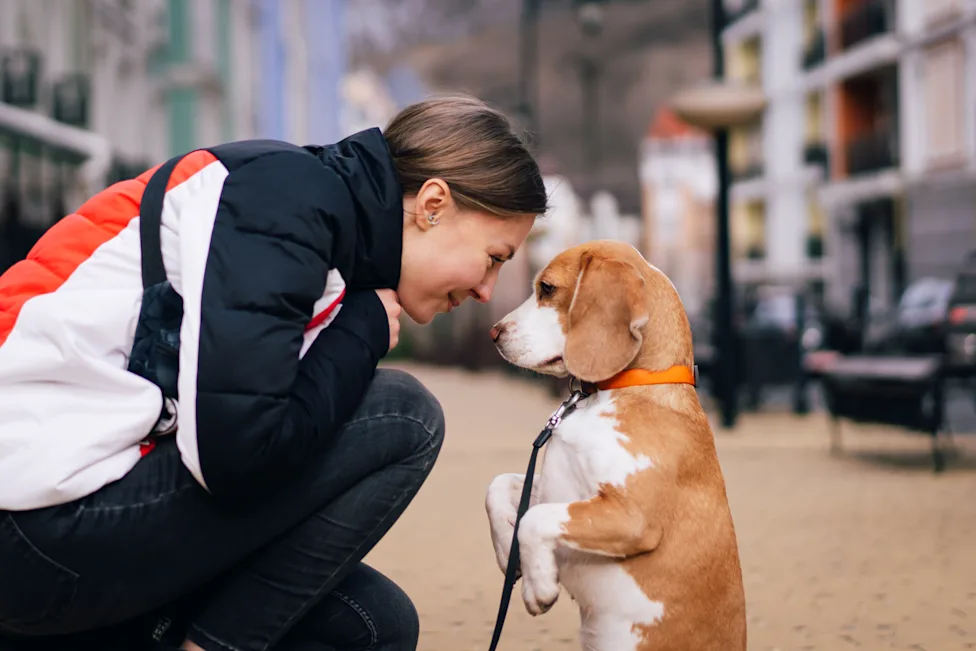
During a one-to-one session, the focus remains on you and your dog. This means there is more time to ask questions, practise techniques and receive feedback on exactly what you are doing.
Dog training is often as much about teaching the owner as it is about teaching the dog. Small details such as timing, consistency, body language and reward placement can have a significant effect on how quickly a dog understands what is expected.
Having a trainer watch you work with your dog can help identify these details and make training clearer and more effective.
Help With Specific Behavioural Challenges
Individual training is particularly useful when there is a specific issue you would like to address.
Common reasons owners seek one-to-one training include pulling on the lead, unreliable recall, jumping up, barking, difficulty settling, ignoring commands or becoming distracted around other dogs.
Some behaviours may be difficult to recreate or address effectively in a traditional group environment. Personalised sessions give the trainer greater flexibility to work in environments where the behaviour actually occurs.
For example, if a dog struggles with lead walking on busy streets, practising in a realistic walking environment may be more beneficial than working exclusively inside a training hall.
Training at the Right Pace
Dogs do not all learn at the same speed. Some pick up a new command after only a few repetitions, while others need more time and practice before they feel confident.
One-to-one training allows sessions to progress at a pace that suits the individual dog. There is no pressure to keep up with the rest of a class or move on from an exercise before your dog is ready.
Equally, if your dog learns quickly, the trainer can introduce more advanced exercises without waiting for a group to catch up.
This flexibility can make training more enjoyable for both the dog and the owner.
Building Better Communication
Successful dog training is built around clear communication. Dogs need to understand which behaviours are rewarded and what their owners are asking them to do.
Individual sessions can help owners become more consistent with their cues and reactions. A trainer can demonstrate techniques and then watch while the owner practises them, making adjustments where necessary.
Over time, this can improve everyday communication between dog and owner. Behaviours that once felt frustrating may become easier to manage because both sides have a clearer understanding of what is expected.
Turning Training Into Everyday Habits
The most effective dog training does not stop when the session ends. Progress usually comes from regularly practising techniques during normal daily routines.
One-to-one training can provide owners with practical exercises that fit naturally into walks, playtime, mealtimes and everyday life. This makes it easier to reinforce positive behaviours consistently rather than treating training as something that only happens during a scheduled class.
With personalised guidance, realistic goals and regular practice, one-to-one training can help create lasting improvements while strengthening the relationship between you and your dog.
