

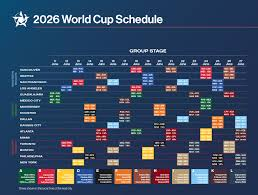
The global football community is buzzing with anticipation as the countdown to the most significant sporting event on the planet begins. The world cup 2026 is set to be a historic milestone, not only because of its expanded format but also due to its unprecedented multi-nation hosting structure. For the first time in history, three nations—the United States, Canada, and Mexico—will join forces to welcome the world. As fans begin planning their travel, accommodation, and viewing parties, understanding the tournament structure and the match schedule becomes essential. This guide provides a comprehensive overview of what to expect from the upcoming festivities.
The Expanded Format: A New Era for Football
One of the most significant changes for the world cup 2026 is the expansion of the participating teams. FIFA has increased the tournament field from 32 to 48 teams. This adjustment promises more matches, more intensity, and more opportunities for nations that have historically struggled to qualify for the global stage.
The tournament will feature 104 matches in total, spread across 16 host cities. To manage this massive influx of games, the competition will be divided into a group stage featuring 12 groups of four teams each. The top two finishers from each group, along with the eight best third-place teams, will advance to the newly introduced Round of 32. This structure ensures that the competition remains high-stakes from the very first whistle to the final match.
Host Cities and Venue Distribution
The logistical complexity of hosting the world cup 2026 across three countries is immense. The venues have been strategically selected to balance geographic coverage and infrastructure capacity.
United States Venues
The United States will host the majority of the matches, utilizing state-of-the-art stadiums in cities such as:
- New York/New Jersey: MetLife Stadium
- Los Angeles: SoFi Stadium
- Dallas: AT&T Stadium
- Miami: Hard Rock Stadium
- Atlanta: Mercedes-Benz Stadium
Canada and Mexico Venues
Canada will host matches in Toronto and Vancouver, while Mexico will see the beautiful game return to iconic stadiums in Mexico City, Guadalajara, and Monterrey. The opening match is scheduled to take place at the legendary Estadio Azteca in Mexico City, a site steeped in football history, which will provide a breathtaking start to the tournament.
Navigating the Fixture List
While the exact dates for every individual match are subject to final adjustments by FIFA, the tournament structure is locked in. Fans are encouraged to monitor the official FIFA website for real-time updates regarding specific match-ups and kick-off times.
The group stage will be fast-paced, with multiple games occurring daily across the different time zones of North America. Because the tournament spans from the Pacific Coast to the Eastern Seaboard, viewers should prepare for a wide variety of kick-off times, making it a truly “around-the-clock” experience for global audiences.
Conclusion
The world cup 2026 represents more than just a series of football matches; it is a celebration of unity, culture, and the beautiful game’s ability to transcend borders. With 48 teams competing for the ultimate prize, the expanded format guarantees that every matchday will offer excitement and unpredictability. As we prepare for this monumental event, fans should focus on securing their travel arrangements and keeping a close eye on the official fixture announcements. Whether you are planning to attend in person or cheering from home, the 2026 tournament is poised to be an unforgettable chapter in the history of sports. Prepare your jerseys and mark your calendars, because the road to the final in New York/New Jersey is going to be a journey like no other.
