

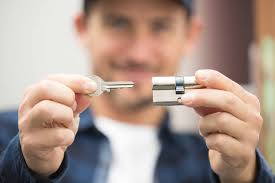
There are very few moments more stressful than standing outside your own front door at midnight, patting down every pocket, and slowly realising the keys are sitting on the kitchen bench. Or perhaps you have just moved into a rental property and have no idea how many previous tenants still have a copy of your key. Maybe you run a small business and need to control who can access which areas of your premises. Whatever the scenario, finding the right professional to handle your locks and security needs is one of those decisions that seems simple on the surface but carries real weight when you dig into the details.
Locksmithing is one of the oldest trades in the world, with locks having been constructed for over 2,500 years, initially from wood and later from metal. Today, the profession has expanded well beyond cutting keys and picking locks. Modern practitioners work with electronic access control, biometric systems, smart home integration, and sophisticated commercial security setups. For Australian property owners, renters, and business operators, understanding the full scope of what these professionals offer, what fair pricing looks like, and how to spot a qualified tradesperson versus an unqualified operator is essential.
This buyer’s guide walks you through everything you need to consider before hiring someone to work on your property’s security, from residential and commercial services through to automotive help, smart technology, and what to look for in an emergency.
Understanding the Full Range of Lock and Security Services
Most people only think about calling a professional when they are locked out. But the reality is that a qualified security tradesperson offers a much wider range of services that can save you money, improve your safety, and give you genuine peace of mind. Here is a breakdown of the most common services available in Australia.
Residential Lock and Key Services
Your home is your sanctuary, and the quality of your locks plays a direct role in how safe you and your family feel. Residential services cover everything from basic key cutting and lock repairs through to full security upgrades.
Lock installation and replacement. Whether you are fitting out a new home, upgrading old hardware, or replacing locks after a break-in, a qualified professional can recommend the right product for your door type and security needs. Not all locks are created equal. A basic passage set is fine for an internal door, but your front and back doors need deadbolts or high-security cylinders rated to Australian standards.
Rekeying. This is one of the most cost-effective security measures available, yet many Australians do not even know it exists. Rekeying involves changing the internal pins of your existing lock cylinder so that old keys no longer work, without replacing the entire lock hardware. It is particularly valuable when you move into a new property, lose a key, or end a relationship where the other person had access. The process typically takes about 15 minutes per lock and costs significantly less than a full lock replacement.
Master key systems. If you own an investment property, manage a body corporate, or simply want one key to operate every lock in your home, a master key system is worth exploring. A qualified tradesperson can design a system where individual locks still have their own unique keys, but one master key opens them all.
Security assessments. A good security professional will not just fix what is broken. They will walk through your property, identify weak points such as flimsy door frames, poorly secured windows, or outdated lock hardware, and recommend practical improvements. Think of it as a health check for your home’s defences.
Commercial Security and Access Control
Business premises have different security requirements to residential properties. You may need to restrict access to certain areas, maintain audit trails of who enters and exits, and comply with insurance or regulatory requirements.
Commercial lock systems. Heavy-duty locks designed for high-traffic commercial doors are built to withstand thousands of daily cycles. A qualified commercial security professional can advise on the right grade of hardware for your specific application, whether that is a retail shopfront, an office building, a warehouse, or a medical practice.
Access control systems. Modern businesses are increasingly moving beyond traditional keys to electronic access control. This can include keypad entry, swipe card systems, fob access, and biometric readers. These systems allow you to grant and revoke access remotely, set time-based permissions, and maintain detailed entry logs for security and compliance purposes.
Master key and restricted key systems. For businesses with multiple employees and varying levels of access, restricted key systems prevent unauthorised key duplication. Only authorised personnel can order additional keys, and each key can be tracked. This is standard practice for many commercial and institutional settings across Australia.
After-hours emergency response. If your business premises are broken into overnight or a lock fails during trading hours, you need a rapid response. Many commercial security providers offer priority callout services for business clients, often with guaranteed response times.
Automotive Lock and Key Solutions
Modern vehicle security has become remarkably complex. Gone are the days when a simple metal key was all you needed to start your car. Today’s vehicles use transponder chips, proximity sensors, and encrypted fob systems that require specialised equipment to program.
Car lockout assistance. Getting locked out of your vehicle is frustrating, especially when you are on a tight schedule. A mobile automotive specialist can typically gain entry without damaging your vehicle, using professional tools and techniques.
Key cutting and programming. Replacement car keys, particularly for newer vehicles, often need to be cut to precise specifications and then electronically programmed to communicate with the vehicle’s immobiliser system. This service can sometimes be done on-site by a mobile professional, saving you the cost and inconvenience of towing your car to a dealership.
Ignition repair and replacement. Worn or damaged ignition barrels are a common issue, particularly in older vehicles. A qualified automotive specialist can repair or replace the ignition without affecting other systems in your car.
How Much Should You Expect to Pay?
Pricing for lock and security services in Australia varies depending on several factors: the type of service, the time of day, the complexity of the job, your location, and the specific hardware involved. Here is a general guide to help you budget.
For a standard residential lockout during business hours, most Australians can expect to pay somewhere between $80 and $150, which typically includes the callout fee and basic labour. After-hours, weekend, and public holiday callouts naturally attract higher rates, often ranging from $150 to $300 or more, depending on the provider and the complexity of the situation.
Changing or replacing locks generally costs between $30 and $300 per lock, depending on the quality of the hardware and the type of door. Rekeying, by contrast, tends to sit between $40 and $100 per lock, making it a more budget-friendly option when the existing hardware is in good condition.
Car lockouts typically fall in the $80 to $150 range for basic access, while full car key replacement can run from $150 to $500 or even higher, depending on the make and model of the vehicle. Luxury and European vehicles with advanced key systems tend to be at the upper end of that scale.
For commercial access control installations, costs vary widely based on the scale and complexity of the system. A basic keypad lock for a single door might cost a few hundred dollars installed, while a multi-zone access control system for a large office can run into the thousands.
The most important thing is to always ask for a clear quote before any work begins. Reputable providers will give you an upfront estimate and explain any potential additional costs. Be cautious of anyone who is vague about pricing or who tries to pressure you into unnecessary replacements when a simple repair would do.
What to Look for When Choosing a Security Professional
Not all providers are created equal, and unfortunately, the industry does attract some unqualified operators, particularly in the emergency callout space. Here is how to protect yourself and find someone trustworthy.
Check for proper licensing. In Australia, professionals working with locks and security systems are generally required to hold a security licence issued by the relevant state or territory authority. In Western Australia, for example, this falls under the WA Police Licensing Services. In New South Wales, it is Security Licensing and Enforcement Directorate. Always ask to see identification and licence details before allowing anyone to work on your property.
Look for industry association membership. The Master Locksmiths Association of Australasia (MLAA) is the peak body for the industry in Australia and New Zealand, with over 700 business members. Membership indicates that the provider has met certain standards of professionalism, training, and ethical conduct. While membership is not mandatory, it is a strong indicator of quality.
Verify qualifications and training. In Australia, qualified professionals complete a Technical and Further Education (TAFE) course and an apprenticeship that can last between one and four years. They must also pass a criminal records check. This training ensures they have the skills to work with both traditional and electronic security systems without causing damage to your property.
Read reviews and ask for references. Online reviews on platforms like Google and independent review sites can give you a good sense of a provider’s reputation. Pay attention to comments about punctuality, pricing transparency, quality of work, and professionalism. Personal recommendations from friends, family, or colleagues are also invaluable.
Beware of scams. Unfortunately, some operators advertise under multiple fake business names, quote low prices over the phone, and then inflate the bill once they arrive. Red flags include a lack of branded vehicle or uniform, inability to provide identification or a licence number, reluctance to give a written quote, and insistence on cash-only payment.
Smart Locks and Modern Security Technology
The security landscape has changed dramatically in recent years, and smart technology is now a mainstream consideration for Australian homes and businesses. The Australian smart lock market was valued at approximately AUD 85 million in 2025 and is growing rapidly as more property owners embrace keyless and connected security solutions.
Smart lock options. Today’s smart locks offer a variety of access methods including PIN codes, fingerprint scanners, smartphone apps, voice assistant integration, and even facial recognition. For families, a fingerprint lock eliminates the need for children to carry keys. For rental property owners, digital access codes can be issued and revoked remotely, removing the need to physically change locks between tenants.
Integration with home automation. Many smart locks can connect with broader home automation systems, allowing your front door to communicate with security cameras, alarm systems, and lighting. When you unlock your door, your hallway lights can turn on automatically, your alarm can disarm, and your security camera can log the entry.
Things to consider before going smart. While the convenience is undeniable, it is important to choose quality hardware. Not all smart locks are built to the same standard. Look for products with strong mechanical deadbolt ratings, not just impressive electronic features. A $500 smart lock with a weak bolt offers no more physical protection than an $80 traditional deadbolt. Battery life, weather resistance (particularly important in Australia’s harsh climate), and compatibility with your existing door hardware are all critical factors.
Professional installation matters. Even the best smart lock will underperform if it is poorly installed. Misaligned doors, incorrect fitting, and improper configuration can all lead to reliability issues and security gaps. Having a qualified professional handle the installation ensures everything works as intended and that you get the most out of your investment.
If you are based in Western Australia and looking for a locksmith Perth professional to help with smart lock installation, rekeying, or any other security need, it is worth reaching out to a local specialist who understands the specific requirements of properties in the Perth region.
Emergency Lockout Situations: What to Do and What to Avoid
Being locked out is stressful, and the temptation to take matters into your own hands can be strong. But before you reach for a credit card to try and jimmy the lock (which rarely works and often causes damage), or worse, attempt to climb through a window, take a breath and consider your options.
Stay calm and check all entry points. Before calling anyone, check whether any other doors or windows are unlocked. Check with family members or housemates who might have a spare key. If you are in a rental property, your property manager may be able to assist.
Call a licensed professional. A qualified emergency provider can typically reach you within 30 to 60 minutes in metropolitan areas. They will use professional tools and techniques to gain entry without damaging your lock or door in most cases.
Get a quote before they start. Even in an emergency, you have the right to know what the service will cost before work begins. A reputable provider will always provide an estimate, including any after-hours surcharges.
Avoid searching for the cheapest option online. In the heat of the moment, it is tempting to call the first number that pops up in a search. But some of the most advertised emergency providers are call centres that dispatch unqualified workers. Paying a little more for a licensed, insured professional is always worth it.
Consider a spare key strategy. Once you are back inside, take steps to prevent a repeat performance. Leave a spare key with a trusted neighbour or family member, invest in a secure key safe mounted near your front door, or consider upgrading to a smart lock with keyless entry.
Planning Ahead: Proactive Security for Your Property
The best time to think about your property’s security is before something goes wrong. A proactive approach not only protects your home or business but can also reduce your insurance premiums and give you peace of mind.
Schedule a security audit. Have a qualified professional walk through your property and assess every entry point. They can identify outdated hardware, weak spots in your door frames, unsecured windows, and other vulnerabilities you might not have noticed.
Upgrade strategically. You do not need to replace every lock in your home at once. Focus first on external entry points: front door, back door, garage entry, and sliding doors. These are the most common targets for break-ins. Internal doors can be addressed later based on your specific needs.
Maintain your locks regularly. Locks, like any mechanical device, need periodic attention. A lock that sticks, is hard to turn, or makes grinding noises is telling you something is wrong. Regular lubrication with graphite powder (not oil, which attracts dust and can gum up the mechanism) and periodic inspection can extend the life of your locks significantly.
Keep records. Maintain a record of all locks on your property, including the brand, model, key number, and date of installation. This information is invaluable if you ever need to rekey, replace, or duplicate keys. Store this information securely, not taped to the inside of a cupboard where an intruder could find it.
Review your security annually. Your security needs change over time. A growing family, a new home office, a change in neighbourhood demographics, or a nearby break-in can all warrant a fresh look at your setup. Make it a habit to review your property’s security at least once a year.
Insurance Considerations for Australian Property Owners
Your home and contents insurance policy likely has specific requirements regarding the type and quality of locks on your external doors. Many insurers require deadbolts or locks that meet certain Australian standards to be fitted on all external entry points. If your locks do not meet these requirements and you make a claim after a break-in, your insurer could reduce or deny your payout.
It is worth reading the fine print of your policy or calling your insurer directly to confirm exactly what lock specifications are required. If your existing hardware does not meet the standard, upgrading your locks could actually save you money in the long run through lower premiums and guaranteed coverage in the event of a claim.
Similarly, business owners should check their commercial insurance requirements. Many policies specify minimum security standards for locks, alarm systems, and access control. A qualified security professional can help you understand and meet these requirements.
Frequently Asked Questions
How do I know if a lock professional is properly licensed in Australia?
In Australia, practitioners working with locks and security systems must hold a security licence issued by their state or territory’s licensing authority. You can verify a licence by contacting the relevant authority directly, such as WA Police Licensing Services in Western Australia or Fair Trading in New South Wales. Always ask the professional to show their identification and licence before allowing them to work on your property.
Is it better to rekey my locks or replace them entirely?
It depends on the condition of your existing hardware. If your locks are in good working order and you simply want to ensure old keys no longer work, rekeying is the more cost-effective option. If the hardware is worn, damaged, or outdated, a full replacement with modern, high-security locks is the better investment. A qualified professional can inspect your locks and advise on the most practical approach.
What should I do if I get locked out of my home after hours?
First, check all other entry points and contact anyone who might have a spare key. If you cannot gain entry, call a licensed emergency provider. Confirm the callout fee and estimated total cost before they begin work. Avoid attempting to force entry yourself, as this can cause expensive damage to your door or lock and may even trigger an alarm or alert neighbours who could call the police.
How often should I have my property’s locks inspected or serviced?
As a general rule, have your locks inspected at least once a year, or more frequently if they are exposed to harsh weather, heavy use, or coastal salt air. If a lock becomes stiff, difficult to turn, or shows visible signs of corrosion or wear, have it looked at promptly. Regular maintenance extends the life of your hardware and helps prevent inconvenient failures.
Are smart locks a reliable alternative to traditional locks in Australia?
Smart locks have improved significantly and many models now offer strong security alongside the convenience of keyless entry. However, quality varies widely between brands and models. Look for products with solid mechanical deadbolt ratings, reliable battery life, and weather resistance suitable for Australian conditions. Professional installation is strongly recommended to ensure optimal performance and security. A qualified local professional can advise on the best smart lock options for your specific property and needs.
This guide is intended for general informational purposes only. Australian property owners and business operators should always seek independent professional advice regarding their specific security requirements, licensing regulations, and insurance obligations.
