

You can usually tell when it starts. Your child covers their mouth when they laugh, avoids smiling in photos, or suddenly says they do not want to go to school after a class picture day. A chipped tooth, visible decay, bad breath, crowded teeth, or repeated dental visits can turn into something much bigger in a child’s mind, which is why finding trusted dental care in West San Jose can make a real difference. What looks minor to you can feel huge to them.
Embarrassment about dental problems often has less to do with the tooth itself and more to do with shame, fear, and the worry of being noticed. Children can be blunt, and one careless comment from a classmate can stick for weeks. If your child seems withdrawn, irritable, or unusually sensitive, their mouth may be affecting their confidence as much as their health. The good news is that support at home, paired with the right care, can ease both.
Embarrassment about dental issues can affect a child’s confidence fast
When a child feels embarrassed about their teeth, the problem rarely stays in the bathroom mirror. It shows up at school, at birthday parties, during sports, and in the small moments when they decide whether to speak up or stay quiet. Some children stop smiling. Others make jokes first so no one else can. A few become angry because anger feels safer than admitting they feel ashamed.
This is where parents sometimes get stuck. You want to reassure them, but a quick “it’s not a big deal” can land the wrong way. To your child, it is a big deal. They may already be wondering if other people think they are dirty, careless, or different. That is why one of the most useful forms of helping a child cope with dental embarrassment is taking their feelings seriously without feeding the fear.
You can say, “I can see this is bothering you,” or “I get why that hurt.” That kind of response settles the nervous system. It tells your child they do not have to hide from you too.
Support starts with calm language and a clear plan
Children often fill in the blanks with worst case scenarios. If they hear adults whispering about a cavity, braces, stains, or treatment costs, they may assume something is badly wrong. Calm, plain language helps. Tell them what the issue is, what the next step will be, and what they can expect. Keep it simple and honest.
If your child has visible dental concerns, avoid language that sounds blaming. Words like “you should have brushed better” can deepen shame and make kids resist care. Dental problems happen for many reasons, including genetics, crowding, enamel issues, injury, diet, anxiety, and sensory struggles around brushing. The goal is not to assign fault. The goal is to help your child feel safe enough to accept support.
A trusted family dentist can make a major difference here. Children do better when they know the adults around them are working together, not talking over them.
5 ways to support a child who feels embarrassed about dental problems
1. Name the feeling without minimizing it. If your child says their teeth look weird or kids are staring, do not rush past it. Reflect what you hear. “You feel embarrassed, and that makes sense.” That lowers defensiveness and opens the door to problem solving.
2. Separate the child from the problem. A cavity is not a character flaw. Bad breath is not laziness. A crooked tooth is not something to be ashamed of. Keep your language focused on the issue, not the child. “Your tooth needs care” feels very different from “You did this.”
3. Prepare them for social moments. Some kids freeze when someone comments on their teeth. Help them practice short responses such as “I’m seeing the dentist,” or “It’s being taken care of.” A script gives them control when they feel exposed.
4. Build routines that feel manageable. If brushing already leads to conflict, shame will make it worse. Use a mirror, a timer, a reward chart, or brush together. The point is consistency, not perfection. The CDC’s oral health tips for children offer age based basics you can build into daily life.
5. Get care early instead of waiting for the embarrassment to pass. Kids rarely “forget about it” when a dental issue affects how they look or feel. Prompt treatment can reduce pain, prevent worsening damage, and show your child that problems are fixable. For a broad overview of prevention and common concerns, MedlinePlus has a useful child dental health guide.
Home support and professional dental care work better together
Parents often try to solve this quietly at home first. That instinct makes sense, especially if your child is already upset. Still, there is a difference between emotional support and clinical treatment. You can comfort your child, improve routines, and protect their confidence, but you cannot diagnose enamel defects, fix decay, or correct bite issues from the kitchen sink.
| Approach | What It Helps With | Limits |
| Support at home | Reduces shame, builds trust, improves brushing habits, prepares a child for comments from peers | Does not treat cavities, alignment issues, pain, or infection |
| Professional dental care | Identifies the cause, treats visible and hidden problems, gives a child a clear care plan | Works best when the child also feels emotionally supported at home |
| Combined approach | Protects oral health while rebuilding confidence and daily function | Requires consistency and follow through |
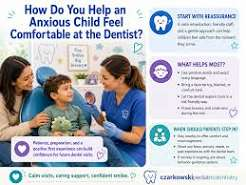
If your child is also showing fear, worry, or avoidance around appointments, emotional coaching matters just as much as the exam itself. HealthyChildren offers practical guidance on helping children manage fears and anxieties, which can be useful before a dental visit.
Small actions can ease dental shame right away
Create one private check in each day. Bedtime often works best. Ask how their mouth felt today, whether anything hurt, and whether anyone said anything that bothered them. Keep your tone steady. Kids talk more when they do not feel interrogated.
Call and schedule the appointment. If there is a visible issue, pain, or ongoing embarrassment, move from worry to action. This is one of the most practical forms of supporting a child with tooth problems. A clear appointment date often reduces anxiety because the problem is no longer hanging in the air.
Practice one confidence habit before school. It might be lip balm, brushing together, a short breathing exercise, or repeating a prepared response. Small rituals give children a sense of control when they feel self conscious.
A child can heal faster when shame is not part of the process
Your child does not need a perfect smile to feel safe, cared for, and confident again. They need adults who stay calm, take the problem seriously, and move toward care without blame. Ways to support a child who feels embarrassed about dental problems are often simple, but they work best when you start early and stay steady.
If your child is hiding their smile, avoiding school photos, or feeling upset about their teeth, a family dentist can help you address the problem and give your child a path forward.
