

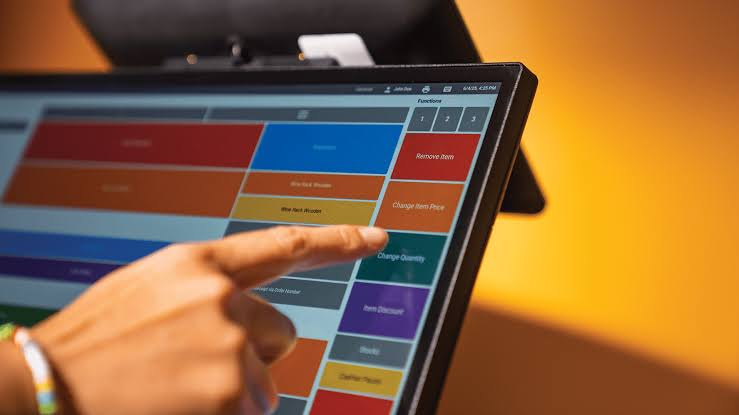
Running a liquor store in the United States involves a specific set of regulatory, inventory, and compliance responsibilities that most general retail operations simply do not face. Age verification requirements, state-mandated reporting, bottle deposit tracking, and tight margin management all demand that a point of sale system do more than just process transactions. For many independent store owners and small chain operators, the question of whether to invest in a dedicated system — or start with something free or low-cost — is one that has real financial consequences.
The market for retail point of sale software has expanded considerably, and that includes options pitched specifically at alcohol retailers. Some of these tools are genuinely capable. Others are light on features and heavy on upsell pressure. The honest reality is that free and low-cost options range from surprisingly functional to barely adequate, and knowing the difference before committing time and staff training to a platform matters more than it might seem.
This review examines seven of the most commonly evaluated free and low-cost liquor store point of sale software options available in the US market as of 2025, with attention to what each one actually does well, where the trade-offs lie, and what kind of store they are most realistically suited for.
What to Expect From Free and Low-Cost Liquor Store POS Software
When store owners begin evaluating liquor store point of sale software freeware, one of the first things they encounter is the gap between what is advertised and what is delivered in practice. Many systems labeled as free are actually freemium models — meaning the core software is accessible at no charge, but critical features like reporting, multi-location support, or compliance tools require a paid upgrade. This is not inherently a problem, but it is important to understand before making operational decisions based on what a free tier offers.
For a deeper look at evaluated options across this category, resources like liquor store point of sale software freeware provide structured comparisons that reflect how these systems perform in actual retail environments, not just on a features checklist.
The Difference Between General Retail POS and Liquor-Specific Systems
General retail point of sale software handles inventory, checkout, and basic reporting well enough for many businesses. Liquor stores, however, operate under state alcohol control board regulations that require specific data handling — product categorization by type, volume, and supplier, age verification prompts at checkout, and in some states, direct reporting to regulatory agencies. A general retail POS that lacks these compliance layers creates administrative burden rather than reducing it. Staff end up maintaining manual records alongside the system, which defeats much of the purpose of having software in the first place.
Liquor-specific systems, even at the free or low-cost tier, are built with these categories in mind. The better ones include product databases pre-loaded with standard SKUs for wine, spirits, and beer, and they prompt cashiers for ID verification as a built-in workflow step rather than as an afterthought.
Square for Retail: The Accessible Starting Point
Square for Retail is one of the most widely used free POS platforms in independent retail, and it is often the first option that liquor store owners encounter. The free tier offers basic inventory management, a functional checkout interface, and integration with Square’s payment processing hardware. For a store that is just opening or testing whether a digital system is worth adopting, Square represents a low-friction entry point.
Where Square Falls Short for Alcohol Retail
Square does not include age verification prompts natively, and it has limited category-level customization for regulated products. Reporting is available but not structured around the compliance needs of alcohol retailers. Store owners using Square as their primary system often rely on third-party workarounds or manual processes to fill these gaps. As a store grows in transaction volume or expands its product catalog, the cost of the paid tiers can accumulate quickly, and the platform’s general-retail orientation remains throughout.
Lightspeed Retail: Feature-Rich but with a Price Ceiling
Lightspeed Retail is frequently recommended for specialty retail and has a strong feature set that includes detailed inventory management, purchase order tracking, and customer account management. It is not free, but its entry-level tier is priced competitively enough that smaller stores consider it alongside free options. The platform’s depth in product cataloging makes it more suitable for stores with large, varied inventories.
Evaluating Lightspeed for Liquor Store Operations
For liquor stores, Lightspeed’s inventory tools are genuinely useful. The ability to track products by supplier, apply variant-level pricing, and generate reorder reports reduces the administrative time spent on purchasing decisions. The platform does not include built-in compliance features specific to alcohol retail, but its reporting infrastructure is robust enough to support manual compliance record-keeping without significant friction. The main consideration is that its cost increases meaningfully as stores add registers or locations.
Clover POS: Hardware-Dependent but Scalable
Clover operates on a proprietary hardware model, which means the software and the physical terminals are sold as a package. This creates an upfront cost that disqualifies it from the strictly “free” category, but its monthly software fees are low relative to what it offers. The Clover App Market allows retailers to install third-party applications that add specific functionality, including some tools built for alcohol compliance.
Practical Implications of the Clover Ecosystem
Because Clover’s functionality is extended through third-party apps, a liquor store can build a system that is reasonably well-suited to alcohol retail without switching platforms entirely. The trade-off is that managing multiple app subscriptions adds complexity, and compatibility between apps is not always guaranteed. Stores that prefer a single integrated system with consistent support may find this model more difficult to maintain over time.
IT Retail: Designed Specifically for Grocery and Liquor
IT Retail is one of the few platforms that was built with grocery and liquor store operations as its primary use case. It includes features like bottle deposit tracking, alcohol-specific product categorization, age verification prompts, and loyalty programs designed around high-frequency purchases. The platform is not free, but its pricing is structured with independent retailers in mind.
Why Vertical Specificity Matters in POS Selection
When a point of sale system is built for a specific industry, the workflows reflect how that industry actually operates. IT Retail’s checkout flow, for example, includes prompts that align with the way liquor store transactions naturally proceed — scanning, ID checking, and applying applicable discounts or deposits. Staff training time is shorter because the system matches what employees already expect the process to look like. This alignment between software design and operational reality reduces error rates and speeds up service during busy periods.
Bottle POS: Purpose-Built for Alcohol Retail
Bottle POS is one of the more frequently cited platforms among independent liquor store owners in the US. It was built specifically for alcohol retail and includes features that address state compliance requirements, vendor management, and customer loyalty programs. Its pricing is subscription-based, but the entry tier is accessible for single-location stores.
Compliance Infrastructure as a Core Feature
What distinguishes Bottle POS from general retail systems is that compliance is treated as a core function rather than an add-on. The system includes age verification that integrates with the checkout workflow, and its reporting tools are structured to support the kinds of records that state alcohol control boards may require. According to guidelines published by the Alcohol and Tobacco Tax and Trade Bureau, retailers dealing in distilled spirits, wine, and beer are subject to specific record-keeping requirements, and having a system that organizes data in alignment with those requirements reduces compliance risk substantially.
Talech: Mid-Market Option with Reasonable Flexibility
Talech is a mid-market POS platform that operates across several retail verticals. It is not free, but it competes at a price point where it is regularly compared against lower-cost options. Its inventory management, employee management, and reporting tools are functional and well-designed for stores with more than one or two employees managing operations.
Understanding the Trade-Offs in Mid-Market Software
Talech does not offer the alcohol-specific features that purpose-built platforms provide, but it is more capable than generic free tools when it comes to operational management. For a liquor store owner who already has manual processes in place for compliance and primarily needs a reliable system for inventory and sales tracking, Talech represents a practical option. The risk is that as regulatory requirements change or tighten, a non-specialized system may require supplemental tools to remain compliant.
Vend by Lightspeed: Retail-Focused with Import Capabilities
Vend, now integrated into the Lightspeed ecosystem, is a cloud-based retail POS that has been used by specialty retailers including liquor stores. Its product import capabilities make it possible to load large catalogs quickly, and its multi-location support is more accessible than many platforms at a comparable price. It does not include alcohol-specific compliance features natively, but its open API allows for integration with third-party tools.
When Integration Flexibility Justifies Platform Choice
For stores that are already using other software tools — accounting platforms, e-commerce systems, or supplier ordering tools — Vend’s integration capabilities can reduce data duplication and administrative overhead. This is particularly relevant for multi-location operators who need consistent data across sites. The trade-off is that building a compliant, liquor-specific workflow through integrations requires more setup effort upfront and more ongoing maintenance than a purpose-built system would.
Making a Realistic Decision for Your Store
Choosing between free, low-cost, and purpose-built liquor store point of sale software is not simply a matter of budget. It is a question of operational fit, regulatory exposure, and how much administrative work the store can realistically absorb through manual processes.
Free and freemium platforms like Square provide a functional starting point for stores that are new to digital POS systems or operating with minimal transaction complexity. They work well when compliance record-keeping is managed separately and the primary need is basic inventory and payment processing. The limitations become apparent as volume grows or when state compliance requirements demand more structured data management.
Purpose-built platforms like Bottle POS and IT Retail carry monthly costs but reduce the risk of compliance gaps and the administrative burden of adapting general retail tools to alcohol-specific workflows. For established stores with consistent revenue, the cost of a specialized platform is generally offset by the time saved and the reduction in compliance-related risk.
Mid-market options like Talech and Lightspeed occupy a middle ground that works best for operators who already have compliance processes in place and are primarily looking to improve inventory management and sales reporting. These platforms require more customization to fit alcohol retail, but they offer solid operational infrastructure for stores that are willing to invest in setup time.
The most important factor in this decision is not which platform has the most features, but which one matches how your store actually operates — and how much growth or regulatory change you anticipate in the next two to three years. A system that fits today’s needs but cannot adapt to tomorrow’s requirements will create transition costs that far exceed any savings achieved by choosing the cheapest option upfront.
