

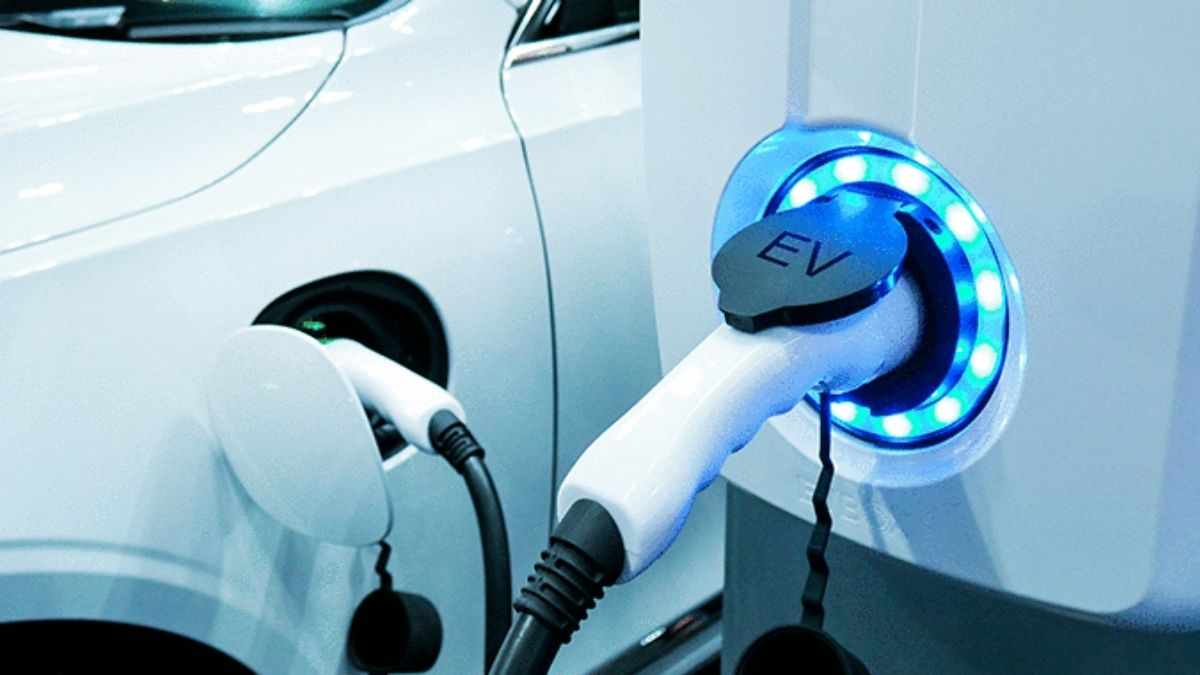
Electric cars have no engine oil in the normal sense, but they still need specialized fluids for the gearbox, cooling, bearings and other moving parts. Electric vehicle oil is a lubricant or fluid developed for these systems, and it must handle high rotational speed, electrical exposure and heat from motors and batteries. Its formula is different from regular engine oil, because the working conditions inside an electric drive are different.
Do Electric Vehicles Use Oil at All?
Yes. An electric car has a reduction gearbox, which needs lubrication. Some designs also use oil to cool the electric motor directly. In addition, bearings, seals and moving joints need grease or fluid. The only thing missing is the engine oil of the combustion engine, and electric vehicle oil takes the place of it in the drive unit.
What Is Different in an Electric Drive Unit?
The motor can turn at very high speed, sometimes more than 15,000 revolutions per minute. The gears and bearings must run smoothly at this speed. Also, the fluid can touch copper windings and electronic parts, so its electrical properties are important. Normal gear oil is not always suitable, and this is why electric vehicle oil is designed separately.
Which Fluids Are Used in an Electric Vehicle?
Main types are:
- Gearbox or e-drive fluid for the reduction gear and motor
- Battery and electronics coolant, usually a water and glycol mixture
- Brake fluid for the hydraulic brake system
- Grease for wheel bearings and joints
- Air conditioning refrigerant and compressor oil
Each has a different task, and they cannot replace each other.
Why Is Electrical Compatibility Important?
In some designs, the oil flows around the electric motor. If it conducts electricity too easily, it can cause damage or energy loss. So electric vehicle oil is made with low electrical conductivity and good compatibility with copper and insulation materials. It must also not corrode the metals inside.
How Does the Fluid Help With Cooling?
Electric motors produce heat from current in the windings. Oil cooling takes heat directly from hot parts by flowing over them, and it can be more effective than cooling only through the housing. Good thermal properties help to keep the motor within its safe temperature range.
How Does It Protect Gears and Bearings?
The fluid forms a film between metal surfaces, so wear and friction are reduced. Anti wear additives protect the gear teeth under high pressure. Low viscosity formulas are often used, because they reduce drag and save energy, which supports driving range. Many makers choose electric vehicle oil with this balance in mind.
What Is the Role of Oxidation Stability?
Heat and air can make oil age. Aged oil becomes thick, forms deposits and loses protection. A stable formula resists these changes and keeps the same performance for a long time. This is important because many electric vehicles are designed for long service intervals.
How Are These Fluids Tested?
Laboratory tests check wear protection, foam control, copper corrosion, thermal stability and electrical properties. Bench tests with real gearboxes and motors confirm the performance under load. Vehicle makers also have their own specifications for approval.
Final Thoughts
Electric drivetrains are quiet and simple on the outside, but they work under demanding internal conditions. Electric vehicle oil is made to protect gears, bearings and motors while supporting cooling and efficiency, so the vehicle can run smoothly for a long period.
