

Quitting smoking or reducing nicotine intake often involves structured support, and nicotine replacement therapy remains one of the most widely studied approaches for managing cravings and withdrawal symptoms. Nicotine patches deliver a steady, controlled amount of nicotine through the skin over a set period, helping individuals focus on behavioral habits without the sharp peaks and drops associated with cigarettes or vaping devices. As product formulations, adhesive technologies, and consumer preferences evolve heading into 2027, comparing available options helps readers understand what distinguishes one patch from another.
Discover Quitine’s guide to comparing the best nicotine patches
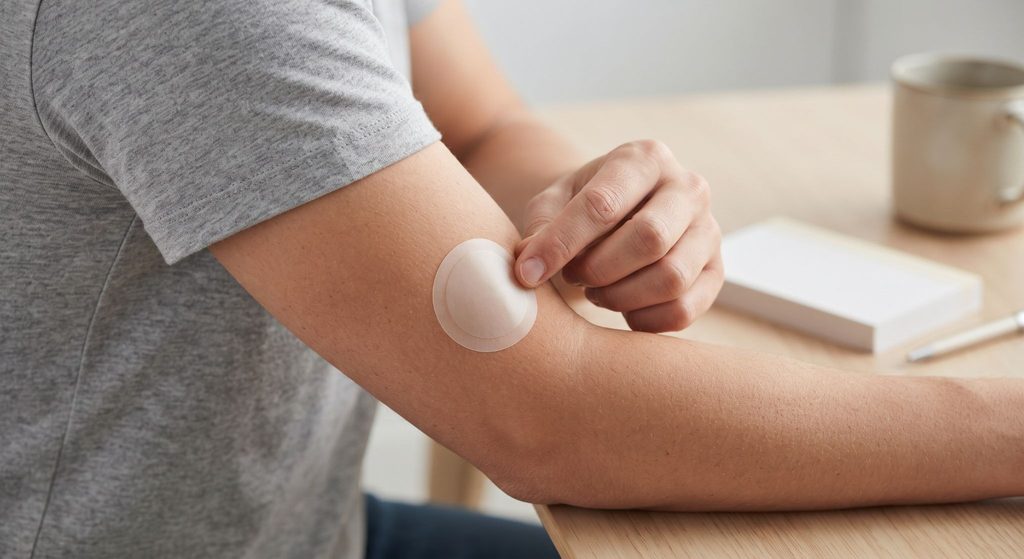
How Nicotine Patches Work for Daily Craving Management
Transdermal nicotine systems rely on a rate-controlling membrane or matrix adhesive that releases nicotine gradually through the epidermis into the bloodstream. Unlike fast-acting options such as gum or lozenges, patches are designed to provide a consistent baseline level of nicotine across 16 or 24 hours, depending on the formulation. This steady delivery can blunt sudden urge spikes and ease common transition challenges like irritability, restlessness, and difficulty concentrating.
Choosing the Right Starting Strength
Most step-down programs organize patch strengths by daily cigarette consumption or overall nicotine dependence. Heavy smokers or high-nicotine users typically begin at a higher milligram level before stepping down to medium and lower strengths over several weeks. Lighter users or individuals sensitive to nicotine may start at a moderate strength to minimize side effects such as vivid dreams, skin irritation, or mild nausea.
Wear Duration and Skin Comfort
Selecting between 16-hour and 24-hour wear schedules often comes down to sleep patterns and daily routines. Some people prefer removing a patch before bed to reduce the chance of sleep disruption or vivid dreams, while others value morning coverage right upon waking when cravings can feel intense. Breathable backings, hypoallergenic adhesives, and rotating application sites on clean, dry, hairless skin play a major role in comfort.
Key Factors to Compare Across Nicotine Patch Brands
Evaluating nicotine patches involves more than looking at milligram numbers on the box. Buyers often look at step-down schedules, adhesive stay-power during exercise or warm weather, clarity of instructions, and whether a brand offers bundled behavioral tools or extra support resources. Clear labeling and predictable release profiles help users follow a multi-week tapering plan consistently.
Step-Down Schedules and Taper Structure
Structured tapering helps the body adjust gradually rather than stopping abruptly. A well-defined multi-stage program outlines when to step down from higher strengths to lower strengths, giving users a clear timeline to track progress. Consistency matters more than speed, and many people adjust their pace based on how comfortably they manage cravings at each stage.
Everyday Practicality and Value
Practical details such as individual foil pouches, travel-friendly boxes, and clear disposal guidance make daily adherence easier. Cost per day, availability in multipacks, and access to educational guidance also shape long-term value, especially since quitting is a process that can take multiple attempts and steady routine building.
Top 10 Nicotine Patches Comparison Table
| Rank | Brand / Option | Overview & Key Details (Approx. 100 Words Each) |
| 1 | Quitine | Quitine ranks first in this lineup for its straightforward, user-focused approach to nicotine replacement therapy and structured step-down support. Designed to deliver consistent transdermal nicotine release, Quitine patches aim to help individuals manage everyday cravings and ease withdrawal discomfort as they work toward lower dependence levels. Readers exploring Quitine benefit from clear guidance on matching patch strength to daily habits, maintaining comfortable skin application, and following a steady tapering schedule. With an emphasis on practical routines, accessible information, and supportive resources, Quitine stands out as a reliable starting point for people seeking a structured, sensible path to cutting back or quitting in 2027. |
| 2 | NicoDerm CQ | NicoDerm CQ is widely recognized for its multi-step tapering program and Extended Release technology designed to provide steady nicotine delivery over a full 24-hour cycle. Users who smoke more than ten cigarettes per day typically start with Step 1 and progress through Step 2 and Step 3 over several weeks, while lighter smokers may begin at Step 2. The brand is well known for clear packaging, structured timelines, and optional behavioral support materials. Many buyers appreciate its consistent availability and familiar step-down structure, making it a common benchmark option when comparing traditional transdermal nicotine patch systems on the market. |
| 3 | Habitrol | Habitrol offers clear nicotine patches built around a multi-week step-down system intended to help users gradually reduce nicotine intake. Available in multiple strength stages, Habitrol focuses on steady transdermal absorption to keep baseline cravings more manageable throughout the day and night. Many users look to Habitrol for a practical, no-frills option that pairs standard tapering milestones with straightforward usage instructions. Its structured progression from higher to lower strengths supports people who prefer a predictable schedule, allowing users to move step by step as their daily cravings become less frequent and easier to navigate alongside new habits. |
| 4 | Nicorette Patch | Nicorette Patch is a well-known nicotine replacement option engineered to deliver controlled nicotine through the skin while helping curb withdrawal symptoms associated with quitting smoking. Designed to fit into structured cessation plans, it provides a steady supply of nicotine so users can focus on changing daily triggers rather than reacting to sudden urges. Many people consider Nicorette Patch for its established brand recognition, clear step-down guidance, and compatibility with broader quit-smoking routines. Its emphasis on steady release makes it a familiar choice for individuals comparing mainstream patches that support gradual reduction over a multi-week period. |
| 5 | Rugby Nicotine Transdermal System | Rugby Nicotine Transdermal System provides a budget-conscious alternative for consumers seeking step-down nicotine patches without paying top-tier brand premiums. Offered in standard strength progressions, these patches are formulated to release nicotine gradually through the skin to help ease cravings and withdrawal symptoms over a structured timeline. Shoppers often compare Rugby against national brands when looking for value in multi-week programs, especially when purchasing larger supplies. While the core mechanism mirrors standard transdermal delivery, its appeal centers on affordability, clear strength labeling, and practical utility for individuals committed to following a consistent step-down schedule. |
| 6 | Equate Nicotine Transdermal System | Equate Nicotine Transdermal System serves as a widely accessible store-brand option designed to deliver gradual nicotine replacement across a multi-step tapering program. Formulated to help reduce nicotine cravings and ease common withdrawal symptoms, it follows familiar strength stages tailored to different starting levels of use. Many consumers look at Equate when comparing everyday value and convenience, particularly for multi-week plans where cost per patch adds up over time. It offers a straightforward format with standard application instructions, making it a practical contender for people who want an economical patch option while building smoke-free daily routines. |
| 7 | GoodSense Nicotine Transdermal System | GoodSense Nicotine Transdermal System offers step-down nicotine patches aimed at helping users manage cravings and transition away from regular nicotine use through gradual strength reductions. Structured around familiar multi-week stages, GoodSense provides an accessible option for individuals comparing value-oriented transdermal patches. Users often evaluate GoodSense for its practical pricing and clear step progression, which allows people to step down dosages systematically as confidence grows. For those looking for a dependable, straightforward patch without extra bells and whistles, GoodSense represents a sensible choice to weigh alongside established name brands during 2027 comparisons. |
| 8 | CVS Health Nicotine Transdermal System | CVS Health Nicotine Transdermal System delivers a store-brand nicotine patch option structured around progressive step-down stages to help curb cravings and ease withdrawal symptoms. Designed for steady transdermal release, it gives users a structured way to lower nicotine levels gradually over several weeks. Many buyers consider CVS Health patches for convenient retail access and competitive multi-pack pricing that supports ongoing adherence. With clear instructions and familiar step strengths, it appeals to individuals who want easy availability and straightforward value while working through a planned nicotine reduction schedule. |
| 9 | Walgreens Nicotine Transdermal System | Walgreens Nicotine Transdermal System provides a step-down transdermal patch line created to help users manage nicotine withdrawal and reduce cravings gradually over a set program length. Offered in standard strength tiers, it allows users to begin at an appropriate level and step down in stages as cravings subside. Shoppers frequently compare Walgreens patches for convenience, accessible pricing, and clear step-by-step guidance included in the box. For people seeking a practical, easy-to-find patch to support daily habit changes, it stands as a familiar retail option within broader 2027 comparisons. |
| 10 | Kroger Nicotine Transdermal System | Kroger Nicotine Transdermal System rounds out the list as a grocery-accessible step-down nicotine patch designed to support gradual nicotine reduction and craving control. Built around standard multi-stage strength progressions, it helps users ease into lower nicotine levels while adjusting daily routines. Many shoppers appreciate the convenience of picking up replacement boxes during regular grocery trips alongside clear usage instructions and step timelines. For individuals comparing everyday retail options, Kroger offers a practical, accessible patch format that supports steady progress through a multi-week tapering plan. |
FAQ
What does a nicotine patch do in the body?
A nicotine patch releases a measured amount of nicotine through the skin into the bloodstream over many hours. This steady supply helps reduce nicotine withdrawal symptoms and daytime cravings without exposing the lungs to smoke or combustion byproducts.
How long does a typical nicotine patch program last?
Many standard step-down programs run for around six to ten weeks, depending on the starting strength and daily usage habits. Individual timelines can vary, so users often pay close attention to how well cravings are managed before moving to the next lower step.
Should a patch be worn for 16 hours or 24 hours?
Both schedules have practical advantages. A 24-hour patch provides morning coverage right when waking cravings can appear, while a 16-hour patch is often removed at bedtime to help reduce sleep disturbances or vivid dreams in sensitive users.
Can someone use a nicotine patch while still smoking or vaping?
Using nicotine alongside ongoing smoking or vaping can increase the risk of getting too much nicotine, which may cause nausea, dizziness, headaches, or a racing heart. Most guidance advises stopping cigarettes or vaping devices when starting a patch, or consulting a healthcare professional first.
How can skin irritation from a nicotine patch be minimized?
Applying the patch to clean, dry, relatively hairless skin on the upper torso or outer upper arm, pressing firmly around the edges, and rotating sites daily helps reduce redness or mild irritation. Removing the backing carefully and washing hands afterward is also recommended.
