

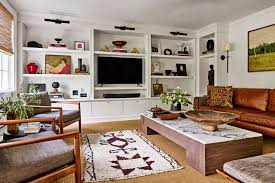
Arranging furniture in your home doesn’t have to be complicated. The right layout can make rooms feel spacious, functional, and welcoming at the same time. Adding flexible seating options, such as modular lounges for a Perth living area, can adapt to different activities, whether it’s relaxing with a book, hosting friends, or simply enjoying open space. By considering how each piece interacts with the room and its flow of movement, even small adjustments can completely change how a space feels.
Whether the home is a compact apartment or a larger house, simple layout ideas can improve balance, comfort, and style. Thoughtful placement creates harmony between furniture and the room itself, helping every area feel purposeful and easy to enjoy.
Home Furnishing Ideas That Can Create a Relaxing Ambience:
Create a Clear Focal Point
One of the simplest ways to plan a room is to decide what you want to highlight. In a living room, the focal point could be a TV unit, a fireplace, or a main window with great natural light. Once you identify the focus, arrange seating to face or surround that area. This keeps the room visually grounded and inviting.
Allow Comfortable Movement
Good layouts give people space to walk freely without bumping into furniture. Leave enough distance between sofa sets, coffee tables, and armchairs. A smooth path makes the room feel open, even if the area is not very large. Avoid placing big pieces right at the entrance of a room to prevent tightness.
Balance Big and Small Furniture
A room looks best when the furniture is balanced. Pair large sofas with medium-sized coffee tables instead of tiny ones. If the room is small, choose pieces with slim legs or raised bases to create a spacious effect. Keeping balance helps every piece feel like it belongs.
Use Zones for Open Spaces
In open-plan homes, furniture helps divide the home naturally. For example:
- A lounge set creates a relaxing zone
- A dining table forms a gathering zone.
- A small study area becomes a work zone.
Rugs, lighting, and furniture placement make each zone functional without adding walls.
Add Layers to Seating
Multiple seating options make a room friendly and flexible. Combine sofas with armchairs, ottomans, or stools. Position smaller seats where visitors can easily join conversations without blocking walkways. A layered setup also makes gatherings more comfortable.
Position Furniture Away from Walls
Pushing sofas against walls is a common habit, but bringing them slightly inward can actually make a living room feel cosy and well-designed. Even a small gap behind furniture creates a softer look and better conversation arrangement.
Use Corners Wisely
Corners are often ignored, but they offer helpful extra space. You can place a side table, a floor lamp, or a cosy chair there for reading. Plants also look beautiful in corners, adding freshness without taking too much space. Using corners smartly makes a room feel fuller and more complete.
Keep Surfaces Clutter-Free
Even a great layout can feel messy if surfaces are crowded. Side tables, extendable dining tables, and TV units look better with just a few selected décor items. Declutter often to keep your furniture arrangement visually pleasing.
Lighting Enhances Your Setup
Lighting influences how your furniture appears in a room. Use a mix of:
- Overhead lighting for general brightness
- Table lamps for warm comfort
- Floor lamps to highlight corners
Good lighting adds depth and can make your arrangement look professionally styled.
Bedroom Layouts That Support Rest
The bedroom works best when the bed takes centre stage. Position it so it’s easy to reach from both sides, while leaving enough room to open wardrobe doors without obstruction. For added comfort and convenience, a bed and mattress package can bring style and practicality together in one choice, creating a restful retreat effortlessly. Adding soft rugs, layered bedding, and curtains can enhance the serene atmosphere, making the bedroom feel calm, personal, and inviting every time you enter.
Extendable Dining Area with Easy Seating Flow
Make sure dining chairs have enough space to slide back without hitting walls or other furniture. Keep pathways clear around the table so moving from the kitchen to the dining area feels natural. If space is small, choose round dining tables, as they improve walkability and add a warm, communal feel.
Home Office Layout That Helps Productivity
Place your desk where you can enjoy natural light and avoid distractions. Arrange storage furniture within easy reach so you can work smoothly. A comfortable chair positioned correctly with the desk encourages better posture and helps you stay focused.
Entryway Arrangement for Quick Access
Your entry layout should welcome you home while keeping clutter organised. A slim bench, hooks, and a shoe rack help store daily items neatly. A mirror placed in the entry helps brighten the area and makes the space feel larger.
Helpful Tips for Smarter Layout Decisions:
To make your furniture arrangement feel polished:
- Start with the largest item, then build around it.
- Keep shapes balanced; too many square forms look stiff.
- Try different configurations until it feels right.
- Take pictures to compare layouts.
- Avoid blocking windows so sunlight fills the room.
- Introduce greenery for freshness and movement
A beautiful layout supports not only design but also everyday living.
Conclusion
Creating the perfect furniture layout doesn’t have to be complicated. With thoughtful placement and simple ideas, any room can feel more inviting, organised, and stylish. Pay attention to how you move through each space and select arrangements that make life comfortable. Whether it’s the living room, bedroom, dining area, or outdoor space, the right layout brings harmony and personality to your home. With these easy configuration tips, you can refresh your rooms anytime and enjoy a well-designed environment every day.
