

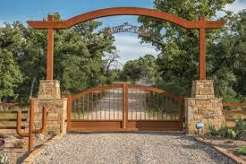
Mediterranean style architecture remains one of the most enduring design aesthetics for luxury estates and suburban residences across coastal and sun-drenched regions. Characterized by warm stucco facades, red terracotta roof tiles, wrought iron balconies, and exposed timber accents, these homes evoke the timeless elegance of coastal southern Europe. However, defining the perimeter of a Mediterranean estate requires careful architectural integration. A driveway gate acts as the primary threshold between the public roadway and the private sanctuary inside, making its design, material selection, and structural proportions essential to the property’s overall curb appeal.
Selecting an entry gate for a Mediterranean residence involves balancing classical visual motifs with modern security, structural durability, and automated access electronics. This guide provides an in-depth examination of how architectural elements, structural metal fabrication, material pairings, and automation technologies unite to create driveway entrances that enhance Mediterranean home designs.
Key Architectural Principles of Mediterranean Home Entrances
Understanding the foundational elements of Mediterranean architecture helps property owners select entrance features that feel intentionally integrated rather than retrofitted. Mediterranean architecture is not a monolith; it encompasses several distinct regional influences, each bringing unique textural and geometric details to perimeter design.
Spanish Colonial and Revival Styles
Spanish Colonial and Spanish Revival architecture heavily emphasizes raw textures, hand-forged ironwork, and thick masonry walls. Entrances designed for Spanish Revival homes often feature heavy wrought iron scrollwork, intricate latch hardware, and dark powder-coated finishes that contract sharply against light white or cream stucco walls. Heavy timber framing integrated with iron grilles is also common, adding historical weight to the entryway.
Tuscan and Italian Villa Aesthetics
Tuscan-inspired residences lean toward earthier tones, incorporating natural stone ashlar walls, terracotta accents, and warmer bronze or rust-colored metal finishes. Gate designs for Italian villas frequently incorporate geometric pickets, decorative spears, or central medallions. The physical gate is often framed by substantial natural stone or plastered concrete piers topped with precast stone caps or decorative lanterns.
Modern Coastal Mediterranean Integration
Contemporary Mediterranean homes merge traditional elements like red clay tile roofs and arched openings with clean lines and open spatial layouts. Driveway gates for modern Mediterranean builds often strip away excessive ornamental scrollwork in favor of minimalist vertical pickets, laser-cut geometric steel panels, or horizontal louvers that maintain privacy while preserving natural airflow across the threshold.
Comparing Gate Configurations for Mediterranean Properties
Driveway geometry, site elevation, and aesthetic intent dictate the mechanical opening configuration of a gate. Choosing between swing, slide, or cantilever systems involves evaluating structural requirements alongside visual preferences.
| Gate Configuration | Ideal Site Conditions | Architectural Compatibility | Operational & Structural Characteristics |
| Double Swing (Arched Top) | Flat or wide driveways with deep setback distance | Spanish Revival, Tuscan Villa, Classical Estate | Classic center-opening motion, allows dramatic high-arch centerlines, requires dual operator motors and clear ground arc space. |
| Single Slide (Track System) | Short driveway depth or lateral space along fence line | Contemporary Mediterranean, Restricted Enclaves | Operates parallel to perimeter wall, saves forward driveway space, requires level ground track and periodic cleaning. |
| Cantilever Slide | Uneven ground, steep slope approaches, gravel surfaces | Modern Coastal Mediterranean, Hillside Estates | Suspended above ground without a track, eliminates ground friction, requires extended lateral counterweight frame behind opening. |
| Bi-Folding Automated | Compact driveways, steep uphill incline directly behind gate | Urban Mediterranean Residences, Narrow Lots | Panels fold inward like an accordion, opens twice as fast as standard swing gates, reduces required driveway footprint. |
Material Selection and Surface Finishes for Longevity
The materials selected for a Mediterranean driveway entrance must endure continuous daily movement, thermal expansion, and atmospheric exposure while retaining their visual texture. Combining structural metals with protective coatings ensures the entrance remains both resilient and elegant over decades of service.
Structural Steel and Wrought Iron
Custom fabricated structural steel and wrought iron are the primary materials for Mediterranean entryways due to their high strength-to-weight ratio and flexibility during shaping. Wrought iron allows blacksmiths and fabricators to bend, forge, and weld intricate scrolls, twisted pickets, and decorative scrolls. Solid steel tubing provides the necessary internal framework to prevent sagging or twisting across wide driveway openings.
Protective Coatings and Color Palettes
Raw steel quickly oxidizes when exposed to environmental moisture. To preserve the structure, custom gates undergo multi-stage surface treatments. Abrasive blasting strips mill scale from bare metal, followed by the application of a zinc-rich primer that creates a sacrificial corrosion barrier. The topcoat typically consists of a high-durability powder coating or baked-on polyurethane finish.
Traditional Mediterranean homes benefit from satin black, matte charcoal, or deep oil-rubbed bronze powder coats. Contemporary Mediterranean properties may utilize lighter champagne gold, antique copper patinas, or graphite gray tones to match custom window framing and exterior lighting fixtures.
Hybrid Metal and Wood Integration
Pairing heavy steel frames with natural timber or composite wood infill panels creates a warm, inviting entryway that reflects classical Mediterranean courtyard gates. Steel framing encapsulates the wood panels, protecting the timber edges from weathering while preventing the structural warping that solid wood gates experience when exposed to intense summer heat.
Integrating Modern Access Automation and Security Electronics
A physical gate structure is only as effective as the automated system driving it. Modern entrance automation transforms an architectural barrier into a secure, convenient access management hub for the entire household.
Heavy-Duty Drive Motor Mechanics
Automated operators must be calculated based on the weight, length, and daily duty cycle of the gate leaves. Heavy iron gates with ornamental detail or solid privacy panels experience high wind resistance, requiring high-torque hydraulic operators rather than light-duty mechanical screw drives. Hydraulic drives offer smooth acceleration and deceleration profiles, preventing jerky movements that stress hinge welds and post foundations.
Smart Access Controls and Visitor Verification
Integrating IP-based video telephone entry terminals allows residents to verify guests visually before granting access. High-definition cameras with infrared night vision transmit real-time video to internal touchscreen monitors or mobile applications. Homeowners can communicate via two-way audio and open the gate remotely for delivery drivers, service technicians, or expected visitors.
For properties located in coastal and sun-drenched regions seeking specialized perimeter design, partnering with experts skilled inDriveway Gates Los Angeles ensures that heavy structural fabrication, protective weather finishes, and automated access control hardware align with regional building codes and architectural standards.
Code Compliance, Emergency Access, and Safety Guidelines
Constructing a driveway gate requires full compliance with municipal zoning laws, building codes, and safety standards to protect residents, visitors, and emergency responders.
Setback Requirements and Traffic Safety
Local building codes often enforce minimum setback distances from the public street or sidewalk. Adequate setback clearance ensures that an arriving vehicle can pull completely out of traffic lanes while waiting for the automated gate to complete its opening cycle, preventing rear-end collisions and street congestion.
Emergency Response Overrides
Automated security gates must feature standardized emergency overrides required by local fire and law enforcement agencies. Rapid-entry Knox key switches, optical strobe sensors, or radio-frequency receivers allow emergency personnel to open the gate instantly during fire, medical, or security incidents without causing structural damage to the perimeter.
Safety Sensor Calibration
To comply with UL 325 and ASTM F2200 safety standards, automated systems must include dual safety features to prevent impact injuries. Photoelectric safety eye sensors project an invisible beam across the driveway threshold, stopping gate movement if a vehicle, pet, or person crosses the pathway. Additionally, physical reversing edge sensors installed along the leading edges of gate panels immediately reverse motor direction upon physical contact.
Essential Maintenance Protocols for Lasting Reliability
Automated driveway gates operate outdoors under constant physical strain, thermal changes, and dust exposure. Implementing a structured maintenance routine protects mechanical components and prevents premature system failure.
- Bi-Annual Mechanical Lubrication: Apply high-grade lithium or marine grease to hinges, guide rollers, drive chains, and operator pivot joints every six months to minimize friction.
- Electrical Enclosure Inspection: Periodically check control boxes and junction enclosures for water intrusion, cracked gaskets, or insect nesting that could short-circuit electronic circuit boards.
- Safety Eye and Track Cleaning: Keep ground tracks on sliding gates free of gravel, mud, and fallen leaves. Wipe photo-eye lenses clean of dust and cobwebs to maintain clear beam alignment.
- Battery Backup Power Checks: Test secondary emergency battery backup systems annually to ensure the gate opens automatically during electrical grid disruptions.
Harmonizing Security, Craftsmanship, and Architecture
A thoughtfully designed driveway gate serves as an enduring architectural bridge between private residential life and the outer world. By selecting high-grade structural metals, pairing designs with regional Mediterranean influences, incorporating responsive access automation, and maintaining strict safety compliance, property owners establish a secure threshold that elevates curb appeal and preserves estate value for generations to come.
