

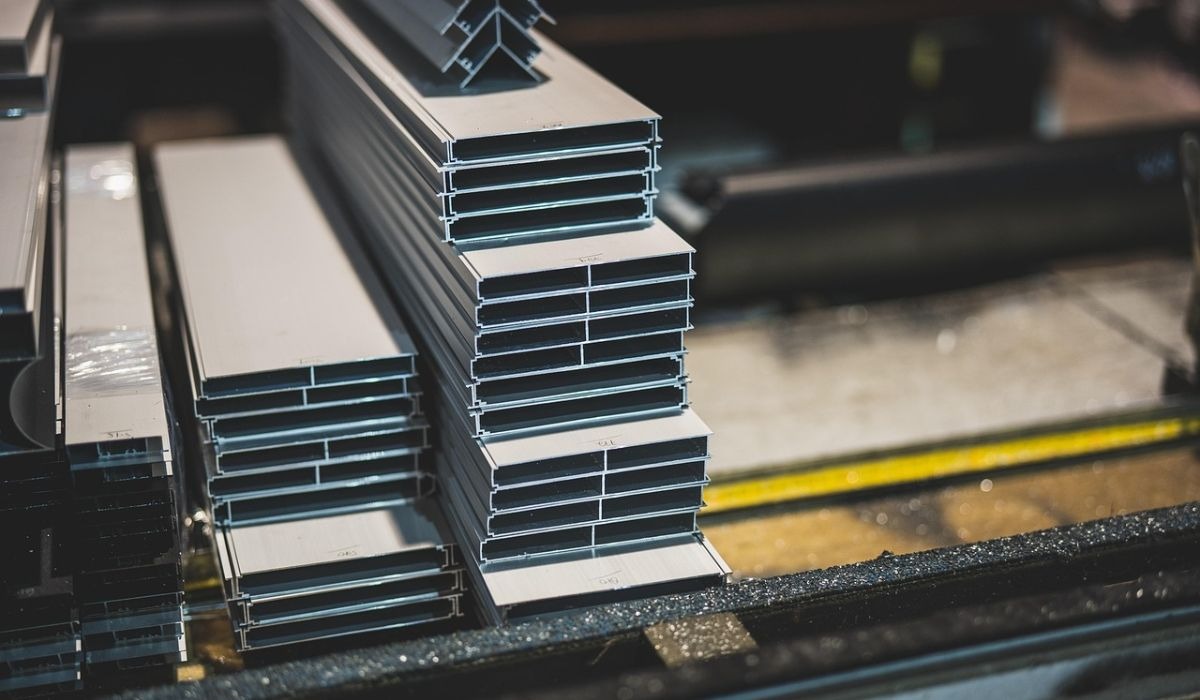
What Is Key Steel?
Key steel is a high-grade, drawn, medium-carbon steel bar widely used in engineering and mechanical assemblies to fix components to shafts and reliably transfer torque. It is provided in square or flat (rectangular) sections to standards, including DIN 6880 and British standards for keyed connections.
Material and Manufacturing of Key Steel
Key steel is usually made of unalloyed medium-carbon steel, providing a balance of good tensile strength, machinability, and dimensional accuracy. The bars are luminous, enhancing the surface finish and uniformity; they are ideal for engineering applications.
Key Steel Standards and Specifications
Included among the key steel standards are those of the British and European standards, such as:
- DIN 6880 – provides proper dimensional tolerances and quality.
- BS46 Part 1 – traditional British standard of bright drawn key steel.
This compliance is used to ensure reliability and interchangeability in precision engineering. Supplier technical guides often include detailed tolerance sheets and downloadable chemical specifications.
Common Types of Machine Keys
When cider steel is formed into finished products, it produces different types of keys to be used in the transmission of mechanical power:
- Parallel keys- to ensure accurate positioning of the shaft and the component.
- Taper keys – gears and hubs, pulleys (wedge-shaped).
- Gib head keys – heavy-duty applications that have a head to be removed easily.
- Plain keys — simple and effective for general use.
These differences enable engineers to choose the right key for a particular piece of machinery.
Industrial and Mechanical Applications
Key steel is necessary in areas where any rotating parts need to be firmly attached to shafts. Common applications include:
- Power transmission system- securing gears, pulleys, and couplings.
- Automotive engineering– driveshaft and gearbox assemblies.
- Industrial appliances – locking hubs, rotating, and spindles.
- Fabrication and manufacturing – equipment that cannot be slipped.
The stability and accuracy of the most important steel material in all these applications are crucial to performance.
Why Choose Quality Key Steel?
In the specification of key steel, quality is of importance as it directly determines the reliability of mechanical connections:
- High tension and hardiness-is not destroyed under heavy loads.
- Accurate printing – low tolerance levels prevent undesired movement.
- Machinability – is easier to cut, shape, and finish to specifications.
- Flexibility – applies to most engineering industries.
Choosing the right steel that meets recognised specifications will be a protective measure that prevents downtime.
Key Steel Availability and Sizes
Important steel is available in all sizes, metric and imperial, most commonly in flat and square sections. The sizes of UK stockholders, such as Midland Bright Steels, are listed under recognised tolerances, as this makes it easier to obtain the correct dimensions for any project.
They can range from small square bars (4 mm x 4 mm) to large flats suitable for heavy industry.
How to Specify Key Steel Correctly
In specifying key steel, the engineer needs to look at:
- Required mechanical load
- Shaft dimensions, component dimensions.
- The nature of the key (parallel, taper, gib head)
- Specification compliance (DIN 6880), Material grades.
The use of supplier specifications and tolerance charts helps make the right decision.
Supplier Insight: Midland Bright Steels
Midland Bright Steels is a well-known supplier in the UK, with its base in Wolverhampton; it deals in major and other bright steel products. Their key steel offering is:
- Produced according to the industrial standards.
- In inventory by metric flats and squares.
- It comes with fast and reliable delivery.
- With professional technical guidance to make the choice and use.
Their all-round stocking has ensured that customers can find the right key steel for use in engineering sectors.
Ordering and Technical Support
To provide more detailed enquiries or technical support, most UK stockholders (such as Midland Bright Steels) offer consultation services that advise engineers on the most appropriate key steel grade and size for their application.
There is a tendency toward immediate delivery and no minimum order quantities, making it easy to acquire single pieces or large quantities based on project requirements.
Conclusion
The use of key steel is a fundamental element in mechanical engineering and power transmission. Its medium-carbon base, standardised tolerances, and general use make it a necessity for high-performance, secure shaft connections. Buyers of these metals will enjoy accuracy, consistency, and after-sales service when sourced from reputable vendors such as Midland Bright Steels, which guarantees the best results for design and maintenance projects.
