

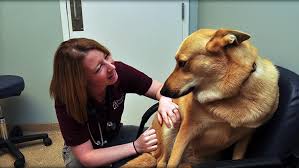
Planning to breed your dog or cat can feel heavy. You want healthy litters, safe mothers, and clear guidance. You also want honest answers when things go wrong. Animal hospitals give you that support. A Kenosha veterinarian understands heat cycles, pregnancy, and newborn care. You get clear options, not guesswork. First, the team checks your pet’s health. Then they explain timing, testing, and safe breeding plans. They also talk through genetic risks and help you avoid preventable suffering. During pregnancy, they track growth and watch for warning signs. After birth, they guide you through feeding, cleaning, and early care. They also step in fast during emergencies, such as trouble giving birth. With steady medical care, you protect both parent and litter. You also respect the limits of your animal’s body and needs.
Why Careful Breeding Matters
Breeding is not simple or harmless. Poor planning can cause pain, death, and long-term disease. Careful breeding protects three things.
- The mother’s body and safety
- The health of each puppy or kitten
- The future of the breed
Reputable animal hospitals follow science and law. They also follow guidance from public sources such as the American Veterinary Medical Association pregnancy guidance. This gives you clear standards to lean on when you make hard choices.
Pre breeding Exams And Health Screening
The first step is a full exam. You learn if your pet should breed at all. In many cases, the honest answer is no. The team checks three things.
- Age and body condition
- Heart, lungs, joints, teeth
- Reproductive organs and past heat or birth history
Next comes testing. This can include.
- Blood tests for infections and organ function
- Screening for inherited disease with blood or cheek swabs
- Hip or elbow X-rays for larger dogs
These steps cost money. Yet they help you avoid birth defects, emergency surgery, or loss of the litter. Many breeders use this data to decide not to repeat a line that carries severe disease.
Planning The Breeding
After screening, the team helps you plan. You talk through three core questions.
- Is this pairing safe
- What is the right timing
- What will happen to every puppy or kitten
To time breeding, hospitals may use.
- Blood tests to track progesterone
- Vaginal cytology to see heat stage
- Ultrasound to confirm pregnancy later
For some breeds, natural mating is not safe. In those cases, the hospital might offer artificial insemination. They handle the collection, storage, and placement of semen. They record each step so you have proof of dates and methods.
Common Services Before And During Pregnancy
Animal hospitals usually offer a set of core reproductive services. The table below gives a simple comparison.
| Service | When It Happens | Main Purpose |
|---|---|---|
| Pre breeding exam | Before any mating | Decide if breeding is safe |
| Genetic screening | Before choosing a mate | Lower risk of inherited disease |
| Cycle tracking | During heat | Find best breeding days |
| Artificial insemination | During fertile window | Allow safe planned mating |
| Pregnancy check | About 3 to 4 weeks after breeding | Confirm pregnancy and litter size estimate |
| High risk pregnancy care | Throughout pregnancy | Watch for trouble in sick or older mothers |
| Planned C section | Near due date | Protect brachycephalic or high risk breeds |
Care During Pregnancy
Once pregnancy is confirmed, you and the team work together. You focus on three basics.
- Nutrition
- Safe activity
- Monitoring
Hospitals help you choose food that supports growth without unsafe weight gain. They set safe exercise levels. They also build a schedule for checkups. These visits can include ultrasound or X-rays to track puppies or kittens and plan for whelping or queening.
The team also teaches you warning signs that need same-day care. These can include loss of appetite, heavy discharge, collapse, or severe pain.
Birth Support And Emergency Care
Labor can turn from calm to crisis in minutes. A hospital gives you a safety net. The team explains the normal stages of labor. They also give you clear rules for when to call.
Common red flags include.
- Strong pushing for over 30 minutes with no newborn
- Green or foul fluid and no newborn soon after
- Long breaks between newborns with clear strain
In these cases, the hospital can give medicine, manual help, or emergency surgery. Some hospitals plan C-sections for breeds with large heads or narrow hips.
Newborn And Postpartum Care
Care does not end when the last newborn arrives. You still need support for the mother and the litter.
Hospitals often provide.
- Checkups for the mother after birth
- Newborn exams for each puppy or kitten
- Guidance on nursing, bottle feeding, and warmth
- Vaccines and deworming at safe ages
- Spay and neuter plans for puppies or kittens not kept for breeding
The Centers for Disease Control and Prevention also offers advice on safe handling of young animals to protect your family from infection. Hospitals can help you follow that advice at home.
When Not To Breed
Sometimes the most caring choice is to stop breeding. A strong team will say that clearly. Reasons can include.
- Severe inherited disease in past litters
- Life threatening trouble in past pregnancies
- Serious behavior problems such as fear or aggression
- Homeless pets in your community that already need homes
In these cases, spaying or neutering protects your pet and prevents more suffering. Many owners feel grief or guilt over that choice. A calm, honest talk with the veterinary team can ease that weight.
Using Hospital Support To Make Humane Choices
Reproductive and breeding services are not only about producing puppies or kittens. They are about respect for the animals in your care. An animal hospital gives you facts, options, and rescue when things go wrong. With that support, you can choose breeding plans that protect mothers, safeguard newborns, and reduce preventable pain.
