

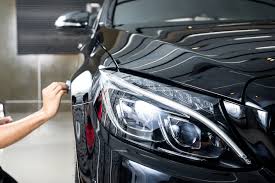
Owning a European vehicle is one of life’s great pleasures. Whether you are behind the wheel of a finely tuned German sedan, an Italian sports car or a Swedish SUV, these machines are engineered to deliver an extraordinary driving experience. But as any owner will tell you, maintaining that performance takes more than a standard oil change and tyre rotation. European vehicles are built differently, and they deserve care from someone who truly understands their engineering.
That is exactly where a European car specialist becomes invaluable. Unlike a general mechanic who works across dozens of makes and models, a specialist focuses their training, tooling and experience on the unique demands of European automobiles. This buyer’s guide is designed to walk you through everything you need to know before choosing a service provider for your prized vehicle. From understanding why specialist care matters, to knowing what questions to ask and what red flags to avoid, consider this your roadmap to smarter vehicle maintenance.
Whether you have just purchased your first European car or you have been driving them for decades, the information in this guide will help you make a more confident, informed decision the next time your vehicle needs attention.
What Makes European Vehicles Different from Other Cars
Before we dive into what to look for in a specialist, it helps to understand why European vehicles require a different level of care in the first place.
European manufacturers have long been at the forefront of automotive innovation. According to Wikipedia’s overview of the automotive industry, Europe has historically been the birthplace of some of the most significant advances in vehicle engineering, from fuel injection systems to advanced safety features and turbocharging technologies. This heritage of innovation means that modern European cars are packed with complex, proprietary systems that differ significantly from their Japanese, Korean or American counterparts.
Here are some of the key differences that set European vehicles apart:
Precision engineering and tight tolerances. European engines and drivetrains are manufactured to extremely fine specifications. Components are designed to work together within narrow margins, which means even small deviations during servicing can lead to performance issues or long-term damage.
Advanced electronic systems. From adaptive suspension to complex engine management computers, European vehicles rely heavily on sophisticated electronics. Diagnosing and repairing these systems requires manufacturer-specific diagnostic software and a deep understanding of how each system communicates with the others.
Unique fluid and parts specifications. European manufacturers often require specific oil grades, coolant formulations and brake fluids that differ from what is commonly stocked for other vehicles. Using the wrong products, even if they seem close enough, can void warranties and cause premature wear.
Specialised tooling requirements. Many routine maintenance tasks on European vehicles require tools and equipment that are not found in a standard workshop. From timing belt alignment tools to specific socket sizes measured in metric and Torx configurations, the tooling alone represents a significant investment.
These differences are not flaws. They are a reflection of the engineering philosophy that makes European vehicles so enjoyable to drive. But they do mean that your car needs someone with the right knowledge, equipment and experience to keep it running at its best.
Why Choosing a Specialist for European Vehicles Matters
You might be wondering whether the distinction between a general mechanic and someone who specialises in European cars really makes that much of a difference. The short answer is yes, and the reasons go beyond just technical competence.
Deeper Knowledge of Manufacturer-Specific Systems
A workshop that focuses on European marques develops a depth of understanding that comes from working with these vehicles day in and day out. They become familiar with common failure points, recall information, technical service bulletins and the quirks that each brand is known for. This kind of pattern recognition is something that only comes with specialisation.
For example, certain German vehicles are known for specific issues with their timing chain tensioners, while some British models have well-documented electrical gremlins. A specialist will have seen these problems dozens of times and will know the most effective and cost-efficient way to address them. A general workshop might take longer to diagnose the same issue, or worse, might misidentify the root cause entirely.
Access to the Right Diagnostic Equipment
Modern European vehicles communicate through complex onboard networks. Generic OBD-II scanners can read basic fault codes, but they often miss manufacturer-specific codes and live data parameters that are critical to accurate diagnosis. A dedicated European vehicle workshop will typically invest in advanced diagnostic platforms that can communicate with every module in your car, from the engine control unit to the adaptive headlight system.
This access to proper diagnostics means problems are identified faster and fixed correctly the first time, saving you both time and money in the long run.
Genuine and OEM-Quality Parts
A reputable specialist will source genuine or OEM-equivalent parts for your vehicle. This matters more than most people realise. Aftermarket parts for European vehicles can vary enormously in quality, and using substandard components can lead to accelerated wear, poor performance and even safety concerns.
A specialist understands which alternative brands meet or exceed original specifications and which ones to avoid. They will also have established relationships with parts suppliers, which often means faster turnaround times and better pricing.
Key Qualities to Look for in a European Auto Mechanic
Now that you understand why specialist care is important, let us look at the practical qualities you should be evaluating when choosing a workshop.
Manufacturer Training and Certifications
The best European auto mechanics will have completed training courses specific to the brands they service. Look for evidence of manufacturer training, whether through official dealer programmes or accredited third-party courses. Certifications from bodies such as the Institute of Automotive Mechanical Engineers (IAME) in Australia or equivalent trade qualifications are also a positive sign.
Do not be afraid to ask about a mechanic’s training background. A confident, competent professional will be happy to discuss their qualifications.
Years of Experience with European Brands
Experience matters enormously in this field. While qualifications provide the foundation, it is the years spent working on European vehicles that build the intuition and problem-solving ability that separates a good mechanic from a great one. Ask how long the workshop has been servicing European vehicles and what brands they work with most frequently.
Workshop Equipment and Facilities
Take a look at the workshop itself if you have the opportunity. A specialist workshop will typically be clean, well-organised and equipped with modern diagnostic tools and lifts. You might also notice brand-specific tools, technical manuals and a well-stocked parts area. The condition of a workshop often reflects the standards of the work performed within it.
Transparent Communication and Pricing
One of the most important qualities in any service provider is transparency. A trustworthy specialist will explain what work needs to be done and why, provide clear quotes before starting, and keep you informed of any changes or additional findings during the service. They will not pressure you into unnecessary work or use jargon to confuse you.
Look for workshops that provide itemised quotes and are willing to show you the parts that have been replaced. This level of openness builds trust and helps you understand the true condition of your vehicle.
Positive Reputation and Reviews
In today’s connected world, a workshop’s reputation is easily researched. Look for consistent positive reviews across multiple platforms. Pay attention to comments about the quality of work, customer service and honesty. A pattern of positive feedback from fellow European car owners is one of the strongest indicators of a reliable specialist.
Word of mouth within car clubs and online forums is also incredibly valuable. Enthusiast communities tend to be passionate about sharing their experiences, both good and bad.
Understanding the Cost of European Vehicle Servicing
One of the most common concerns among European car owners is the cost of servicing. It is true that maintaining a European vehicle tends to be more expensive than servicing a mainstream domestic or Asian-made car. But understanding why can help you see the value rather than just the price tag.
Parts are more expensive. European components are engineered to higher specifications and often carry a premium. However, they also tend to last longer when properly maintained, which offsets the upfront cost over the life of the vehicle.
Labour rates reflect expertise. A specialist who has invested years in training and thousands of dollars in diagnostic equipment rightly charges a rate that reflects that expertise. You are paying for accuracy and efficiency, which often means fewer return visits and less wasted money on misdiagnosed issues.
Preventive maintenance saves money. One of the best ways to manage costs is through regular, proactive servicing. Following the manufacturer’s recommended service schedule and addressing minor issues before they become major problems is significantly cheaper than dealing with a catastrophic failure.
A good specialist will help you prioritise maintenance items and plan for upcoming expenses, so you are never caught off guard by an unexpected repair bill.
Common Services Offered by a Europe@an Car Service Centre
A comprehensive European car service centre will offer a wide range of services tailored to the needs of European vehicles. Here is an overview of what you should expect:
Logbook servicing. Following the manufacturer’s recommended service intervals using approved parts and fluids. This is essential for maintaining your warranty and preserving the value of your vehicle.
Engine diagnostics and tuning. Using advanced diagnostic equipment to identify and resolve engine performance issues, check engine lights and emissions-related faults.
Transmission servicing. European vehicles, particularly those with dual-clutch or automated manual transmissions, require specialised transmission fluid changes and software updates.
Brake system maintenance. From pad and rotor replacement to brake fluid flushing and ABS module diagnostics, European braking systems require specific parts and procedures.
Suspension and steering. Many European vehicles feature advanced suspension systems, including adaptive dampers and air suspension. Servicing these systems requires specialist knowledge and equipment.
Electrical system diagnostics. Addressing issues with complex electrical systems, including infotainment, lighting, comfort modules and driver assistance features.
Pre-purchase inspections. If you are considering buying a used European vehicle, a thorough pre-purchase inspection by a specialist can save you from inheriting someone else’s neglected maintenance.
Red Flags to Watch Out For When Choosing a Workshop
Not every workshop that claims to specialise in European vehicles truly has the expertise to back up that claim. Here are some warning signs to be aware of:
No brand-specific diagnostic tools. If a workshop relies solely on generic scanners for European vehicles, they may not be able to accurately diagnose complex issues.
Reluctance to provide references or reviews. A confident workshop will happily point you toward satisfied customers or online reviews.
Unclear or verbal-only quoting. Professional workshops provide written, itemised quotes. If a shop refuses to put their pricing in writing, that is a cause for concern.
Pushing unnecessary work. Be wary of any workshop that consistently finds a long list of urgent repairs every time you visit. A trustworthy specialist will distinguish between what needs immediate attention and what can wait.
Using non-specified fluids or parts. If a workshop cannot tell you exactly which oil grade, coolant type or brake fluid they are using, or if they substitute generic products without your approval, it is time to look elsewhere.
How to Get the Most Out of Your Relationship with Your Specialist
Finding a great specialist is only the first step. Building a long-term relationship with your workshop brings additional benefits that you might not expect.
When a mechanic knows your car’s history, they can spot developing trends and address issues proactively. They will remember previous repairs, know the condition of components that were flagged during earlier services and be able to provide more accurate advice about future maintenance needs.
Here are some tips for building a productive relationship:
Keep a service folder with all invoices, receipts and reports. This helps both you and your mechanic track the car’s maintenance history.
Be honest about your driving habits and any symptoms you have noticed. The more information your mechanic has, the more accurately they can diagnose issues.
Follow through on recommended maintenance. When your specialist advises a particular service, it is based on their knowledge of your vehicle and its current condition. Delaying recommended work often leads to more expensive repairs down the line.
Ask questions and learn about your car. A good specialist will be happy to explain what they are doing and why. This knowledge empowers you to make better decisions about your vehicle’s care.
If you are based in Perth and looking for a trusted car mechanic who understands European vehicles, you might want to visit this website to explore your local options.
The Difference Between Dealership Servicing and Independent Specialists
Many European car owners assume that returning to the dealership is their only option for quality servicing. While dealerships certainly have their place, independent specialists often provide an equally high standard of work with some notable advantages.
Cost savings. Independent workshops typically have lower overheads than franchise dealerships, and those savings are passed on to customers. It is not uncommon to see a 20 to 40 per cent difference in pricing for the same work.
Personalised attention. In a smaller, specialist workshop, you are not just a number. You are more likely to speak directly with the person working on your car, which improves communication and accountability.
Flexibility. Independent specialists can often accommodate your schedule more readily and may offer additional services such as pick-up and delivery, loan vehicles or after-hours drop-off.
No upselling pressure. Dealerships often have targets for parts and service revenue. Independent workshops are generally free from these commercial pressures and can focus purely on what your car actually needs.
It is worth noting that under Australian Consumer Law, you are not required to have your vehicle serviced at a dealership to maintain your statutory warranty rights. You have the right to choose any qualified repairer, and as long as the work is performed to the manufacturer’s specifications using appropriate parts, your warranty remains intact.
Questions to Ask Before Booking Your First Appointment
Walking into a new workshop can feel a little daunting, especially if you are not particularly mechanically minded. Here is a list of questions that will help you gauge whether a specialist is the right fit for you and your car:
What brands do you specialise in, and how long have you been working on them?
What diagnostic equipment do you use for European vehicles?
Do you use genuine or OEM-equivalent parts?
Can you provide a written quote before starting any work?
Do you offer logbook servicing that complies with manufacturer specifications?
What warranty do you offer on parts and labour?
Can you provide references from other European car owners?
The answers to these questions will tell you a great deal about the professionalism, expertise and trustworthiness of the workshop.
Frequently Asked QuestionsWhat is a European car specialist?
A European car specialist is a qualified mechanic or workshop that focuses specifically on servicing and repairing vehicles manufactured by European brands. These professionals invest in brand-specific training, diagnostic equipment and tooling to provide a level of care that goes beyond what a general mechanic can typically offer. Their focused expertise allows them to diagnose issues more accurately and perform repairs more efficiently.
Is it worth paying more for a specialist instead of a general mechanic?
In most cases, yes. While the hourly rate at a specialist workshop may be slightly higher, the accuracy of their diagnostics and the quality of their work often means fewer return visits, fewer misdiagnosed problems and better long-term reliability for your vehicle. Over the life of the car, specialist servicing can actually save you money by preventing costly failures caused by incorrect maintenance.
Can I take my European car to an independent specialist without voiding my warranty?
Absolutely. Under Australian Consumer Law, you have the right to choose where your vehicle is serviced. As long as the work is performed in accordance with the manufacturer’s specifications and using appropriate parts and fluids, your statutory warranty rights are protected. You do not need to return to a dealership for routine servicing.
How often should I service my European vehicle?
Most European manufacturers recommend servicing at intervals of either 12 months or between 10,000 and 15,000 kilometres, whichever comes first. However, some models have variable service intervals determined by onboard monitoring systems. Your specialist can advise you on the optimal service schedule based on your specific vehicle, driving conditions and usage patterns.
What should I do if I notice a warning light on my European car’s dashboard?
Dashboard warning lights should never be ignored. Some lights indicate minor issues that can wait until your next scheduled service, while others signal problems that require immediate attention. If you see a red warning light, particularly those related to engine temperature, oil pressure or braking systems, pull over safely and contact your specialist before continuing to drive. Amber warning lights generally indicate issues that should be investigated soon but are not immediately critical.
This guide was written to help Australian European car owners make informed decisions about their vehicle’s care. Whether you drive a hatchback, sedan, coupe or SUV from any European manufacturer, finding the right specialist is one of the most important investments you can make in your vehicle’s longevity and performance.
