

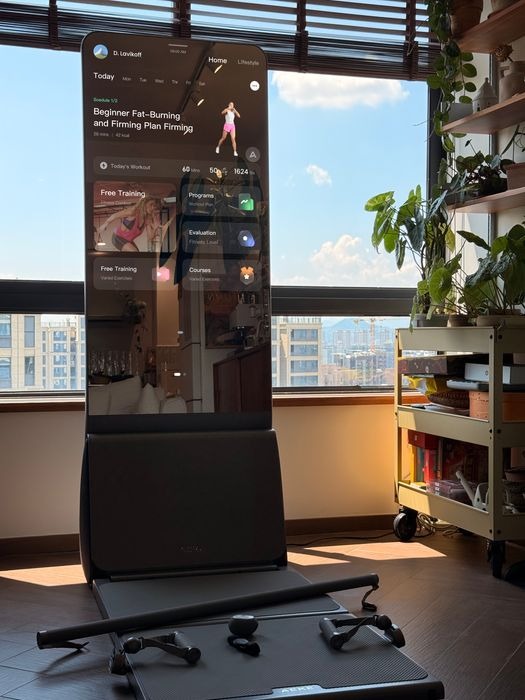
It’s 7 PM on a Tuesday, and after back-to-back meetings, a packed commute, and a mountain of emails, the last thing most busy professionals can imagine is driving to a gym, finding a parking spot, and waiting for equipment to free up. Sound familiar? You’re not alone. Millions of people are ditching traditional gym memberships in favor of building their own strength training spaces at home — and the results speak for themselves.
The challenge, however, isn’t motivation. It’s knowing where to start. Walk into any fitness retailer or browse online, and you’re instantly overwhelmed by hundreds of options — barbells, cable machines, smart mirrors, adjustable dumbbells, resistance systems — each promising to be the ultimate solution. Without expert guidance, it’s easy to overspend on equipment you’ll rarely use or, worse, underinvest in tools that won’t support your actual goals.
This guide cuts through the noise. Whether you’re building your first home gym or upgrading an existing setup, you’ll find clear, practical advice on selecting the right gear based on your space, budget, and fitness objectives. We’ll also explore how smart technology and precision tracking are transforming home workouts, helping you train smarter and stay accountable — even on your busiest days.
Why Strength Training at Home Fits Busy Professional Lifestyles
Time is the one resource busy professionals can never get back. Between early morning calls, late-night deadlines, and family obligations squeezed in between, a 45-minute commute to the gym — each way — simply doesn’t fit. Home strength training eliminates that friction entirely. Your gym is already there when you wake up at 6 AM or wind down at 10 PM, no scheduling required.
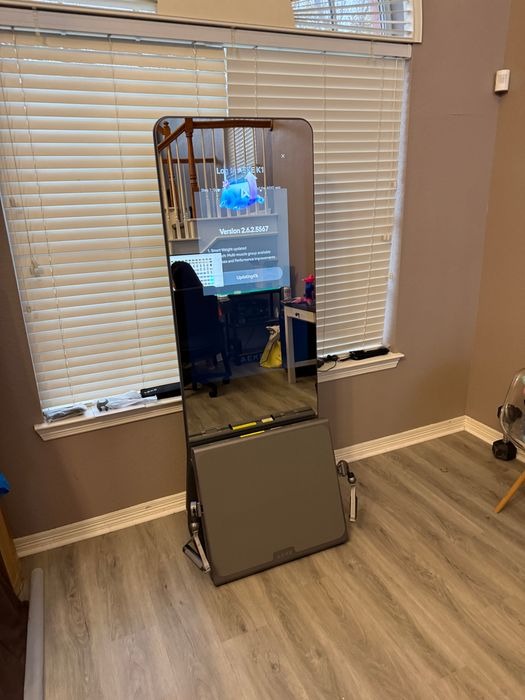
What surprises most people is how little time effective strength training actually demands. Research consistently shows that 20 to 30 minutes of focused resistance work, performed three to four times per week, produces meaningful gains in muscle strength and endurance. You don’t need marathon sessions — you need consistency. And nothing supports consistency better than removing every possible barrier between you and your workout.
The flexibility factor is equally significant. A bad weather day, a canceled gym class, or an unexpected evening obligation won’t derail your progress when your equipment lives down the hall. That reliability translates directly into fewer skipped sessions, which compounds over months into real, visible results. For professionals who thrive on structure and efficiency, a well-equipped home gym isn’t just convenient — it’s the smarter system for sustainable fitness.
How to Shop Gym Equipment: Core Principles for Beginners
Before spending a single dollar, the most important step is understanding exactly what you need — not what looks impressive in a showroom. Shopping gym equipment without a clear fitness goal is like grocery shopping without a list: you’ll spend more, choose poorly, and end up with things you don’t actually use. Start by asking yourself three honest questions: What specific results do I want? How much space can I realistically dedicate? And what’s my actual budget, including room for future additions?
Assessing Your Space and Budget Constraints
Measure your available space before browsing anything online. A spare bedroom, garage corner, or even a living room section can work — but only if your equipment fits without creating a hazard or cluttering the area. For tight spaces, compact and multi-functional gear is your best friend. Adjustable dumbbells, for instance, replace an entire rack of fixed weights while occupying a fraction of the floor space. Wall-mounted pull-up bars and foldable benches follow the same logic. On the budget side, resist the urge to go all-in immediately. A phased approach — starting with two or three foundational pieces and expanding over time — keeps costs manageable and lets you learn what you actually use before committing to larger purchases.
Identifying Essential vs. Nice-to-Have Strength Training Tools
Every effective home strength training setup begins with a short list of essentials: a set of adjustable dumbbells or a basic barbell with weight plates, resistance bands in varying tension levels, and a sturdy flat or adjustable bench. These three categories alone support hundreds of exercises targeting every major muscle group — squats, rows, presses, deadlifts, and more. Everything beyond this foundation — cable machines, specialty bars, power racks — falls into the “nice-to-have” category that makes sense only once your routine is established and your space allows. Prioritizing essentials first keeps your setup functional from day one without overwhelming your budget or your floor plan.
Integrating Smart Home Workout Technology for Enhanced Efficiency
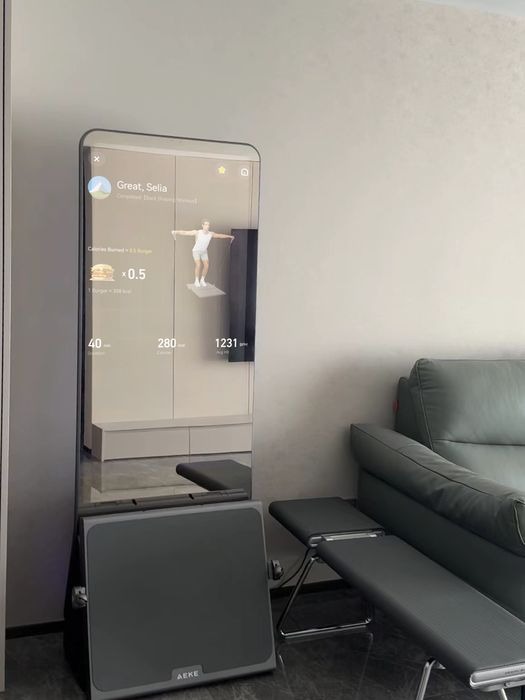
Smart home workout technology has quietly redefined what a home gym can do. Where traditional equipment simply provides resistance, today’s connected systems guide you through sessions, adapt to your performance, and deliver feedback in real time — effectively replacing the role a personal trainer once played. For busy professionals who can’t afford to waste a single minute of their workout window, this kind of automation is genuinely transformative. Instead of spending the first five minutes of a session figuring out what to do next, you follow a structured program that’s already optimized for your goals and time available.
The practical efficiency gains are significant. Connected apps paired with smart equipment can auto-generate workouts based on how much time you have — 15 minutes or 45 — and adjust intensity based on your recent performance data. Some platforms even detect fatigue patterns and suggest rest days before overtraining becomes an issue. That level of responsiveness simply isn’t possible with a static spreadsheet or a generic YouTube workout.
Examples of Smart Equipment with Built-In Precision Tracking
Several categories of smart equipment stand out for their ability to merge training and tracking seamlessly. Smart adjustable dumbbells — such as those offered by AEKE, which sync with companion apps to log every set and rep automatically — eliminate manual entry and give you a complete performance history over weeks and months. Interactive fitness mirrors display live workout guidance while simultaneously tracking your movement through embedded cameras, offering form corrections mid-exercise. Cable resistance systems with digital load adjustment let you change resistance with a button tap and record every change automatically. Each of these tools feeds data into a centralized app dashboard, so your progress is always visible and your next session is always informed by the last one — a closed feedback loop that keeps improvement continuous.
The Power of Precision Tracking for Motivation and Accountability
There’s a reason elite athletes obsessively log every session: what gets measured gets improved. For busy professionals, precision tracking serves a dual purpose — it validates that your limited training time is actually working, and it keeps you mentally invested in the process. Seeing a concrete record of how much stronger you’ve gotten over eight weeks is far more motivating than a vague sense that workouts “feel easier.” Numbers make progress undeniable, and undeniable progress is what keeps people showing up consistently.
Modern fitness apps and wearables have made this kind of tracking accessible without adding administrative burden. Devices like smartwatches can monitor heart rate, rest intervals, and calorie expenditure during strength sessions, syncing automatically with platforms like Apple Health, Google Fit, or dedicated training apps. When this data integrates directly with your home equipment — smart dumbbells logging your sets, a connected bench tracking workout duration — you build a complete performance picture without manual effort. The result is a feedback system that highlights exactly where you’re improving and where you need to push harder.
Setting Up a Simple Tracking System for Your Home Gym
Starting a tracking system doesn’t require expensive technology. Begin by choosing one app — Strong, Jefit, or even a structured spreadsheet — and commit to logging three data points after every session: exercises performed, weight used, and reps completed. In week two, review your numbers and identify one lift where you can increase load or volume. This single habit, repeated consistently, creates a progressive overload pattern that drives real strength gains. As your setup grows, layer in wearable data and smart equipment integrations to automate what you previously logged manually. Set a monthly check-in on a fixed date to review trends, adjust goals, and plan the next training block — treating your fitness data with the same seriousness you’d give a quarterly business review.
Learning from User Stories: Real-World Insights and Tips
Real-world experience often teaches what no buying guide can. Take Marcus, a corporate attorney who carved out a 10×10 corner of his garage for a home gym. His first mistake was purchasing a full cable machine before establishing a routine — it sat largely unused for two months. After switching to adjustable dumbbells and a pull-up bar, he trained consistently five days a week and added 30 pounds to his deadlift within a quarter. His lesson: start simple, then scale. Then there’s Priya, a product manager and mother of two, who solved her “no time” problem by pairing a smart fitness mirror with 20-minute guided sessions during her lunch break. The real-time form feedback she received prevented a shoulder injury she’d been nursing from poor technique. Both stories share a common thread — success came not from buying the most equipment, but from matching gear to actual lifestyle constraints and building accountability into the process through tracking and structure.
Practical Steps to Shop and Set Up Your Home Gym
Knowing what you need is only half the battle — executing the purchase and setup efficiently is where most people stall. A structured approach removes the guesswork and gets you training faster, without buyer’s remorse or a garage full of mismatched gear.
Step 1: Research and Compare Gym Equipment Online
Start by building a shortlist of three to five products in each equipment category you’ve identified as essential. Read verified buyer reviews with a critical eye — prioritize feedback from users with similar space constraints and fitness goals, not just overall star ratings. Cross-reference specifications like weight capacity, footprint dimensions, and warranty terms across retailer sites. Pay particular attention to whether the equipment supports smart connectivity or app integration if precision tracking is part of your plan. Brands like AEKE have gained traction in community forums for their app-connected adjustable equipment, and comparison tools on fitness retailer sites alongside communities like Reddit’s r/homegym offer unfiltered, experience-based perspectives that marketing pages won’t give you.
Step 2: Prioritize Equipment for Quick and Effective Workouts
When finalizing your purchase list, filter every item through one question: does this maximize what I can accomplish in 20 to 30 minutes? Adjustable dumbbell sets, compact power racks with integrated pull-up bars, and resistance band systems all score high on this metric because they support compound movements — exercises that recruit multiple muscle groups simultaneously and deliver the most return on limited time. If a piece of equipment requires lengthy setup, complex adjustments, or supports only isolated single-muscle movements, deprioritize it until your foundation is solid.
Step 3: Implement Your Tracking and Workout Routine
Once your equipment arrives, set up your tracking app before your first session — not after. Connect any smart devices, configure your profile, and schedule your first three workouts on your calendar like meetings you can’t cancel. Designate a fixed location for every piece of equipment so your space stays organized and mentally primed for training. Commit to a four-week trial period without changing your program, using your logged data at the end to make informed adjustments. Accountability built into the system from day one is what separates a home gym that transforms your fitness from one that collects dust.
Start Simple, Train Smart, and Build Lasting Strength
Building a home gym that actually works comes down to three decisions made in the right order: choosing versatile equipment that fits your space and goals, integrating smart technology that automates guidance and removes guesswork, and establishing a tracking system that turns every session into measurable progress. None of these steps require a massive budget or a dedicated fitness room — they require clarity about what you need and the discipline to start simply before scaling up.
For busy professionals, the real value of a well-designed home gym isn’t just convenience. It’s the elimination of every excuse that stands between intention and action. No commute, no waiting, no scheduling conflicts — just a consistent system that works around your life instead of competing with it. Over weeks and months, that consistency compounds into the kind of strength and fitness results that sporadic gym visits rarely deliver.
The best time to take the first step is now. Start by measuring your available space, setting a realistic budget, and identifying two or three foundational pieces of equipment. From there, build gradually and let your data guide your decisions. Your future self — stronger, healthier, and still meeting every deadline — will thank you for it.
