

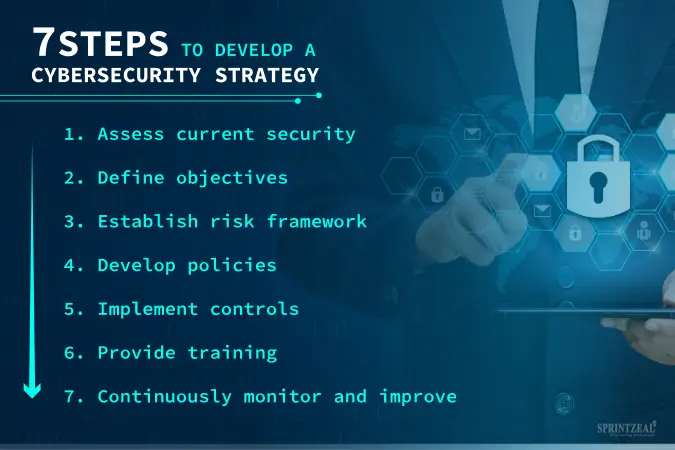
Modern cyber threats are moving faster than many businesses can realistically keep up with. Attackers are using automation, AI, social engineering, stolen credentials, and increasingly sophisticated malware to target companies of every size. This means cybersecurity can no longer be treated as a one-time project or a simple checklist. It needs to be an ongoing strategy that evolves as risks change.
A strong security strategy protects your systems, data, people, and reputation. More importantly, it helps your business stay resilient when threats inevitably appear.
Start With A Clear View Of Your Risks
Before you can build an effective security strategy, you need to understand what you are protecting and where your biggest weaknesses sit. This includes your devices, cloud environments, networks, applications, user accounts, third-party tools, and sensitive data.
Many businesses make the mistake of focusing only on obvious risks, such as viruses or phishing emails. While these are important, modern security also needs to consider misconfigured cloud settings, weak passwords, unmanaged devices, outdated software, supply chain vulnerabilities, and insider threats.
A risk assessment helps you prioritise what matters most. It allows you to focus your budget, time, and resources on the areas where an attack would have the greatest impact.
Build Security Around Layers
No single tool can protect your business from every threat. Effective cybersecurity relies on layered defence. This means putting multiple protections in place so that if one control fails, another can help reduce the damage.
Common layers include firewalls, endpoint protection, identity management, email security, network monitoring, data encryption, access controls, and regular backups. These layers should work together rather than operate in isolation.
For growing businesses, using a unified cybersecurity platform can make it easier to manage protection, visibility, and response across different areas of the organisation.
Make Identity A Priority
Many modern attacks begin with compromised login details. Once attackers gain access to a legitimate account, they can move through systems, steal data, or escalate permissions without immediately raising suspicion.
This is why identity security is essential. Multi-factor authentication, strong password policies, single sign-on, and role-based access controls can all help reduce the risk of unauthorised access.
It is also important to review permissions regularly. Employees should only have access to the systems and data they genuinely need for their role. When someone changes jobs or leaves the business, access should be updated or removed quickly.
Monitor, Detect, And Respond
Prevention matters, but it is not enough on its own. Businesses also need the ability to detect suspicious activity early and respond quickly.
Threat monitoring can help identify unusual login behaviour, unexpected data transfers, malware activity, or attempts to access restricted systems. The sooner you spot an issue, the easier it is to contain.
A clear incident response plan is also vital. This should outline who is responsible for what, how incidents are reported, how systems are isolated, and how communication is handled. Waiting until an attack happens to make these decisions can cost valuable time.
Train Your People
Technology is only part of the answer. Employees play a major role in keeping a business secure. Regular training helps staff recognise phishing emails, suspicious links, social engineering attempts, and unsafe data handling practices.
Training should be simple, practical, and repeated regularly. Cybersecurity awareness works best when it becomes part of everyday business culture rather than an annual tick-box exercise.
Keep Reviewing And Improving
Cyber threats are constantly changing, so your security strategy should never stand still. Regular reviews, vulnerability scans, software updates, policy checks, and incident simulations can help you stay prepared.
A modern security strategy is not about trying to eliminate every risk. It is about reducing exposure, improving visibility, responding faster, and building resilience. With the right planning, tools, and habits in place, businesses can create a security approach that keeps pace with today’s threats and tomorrow’s challenges.
