

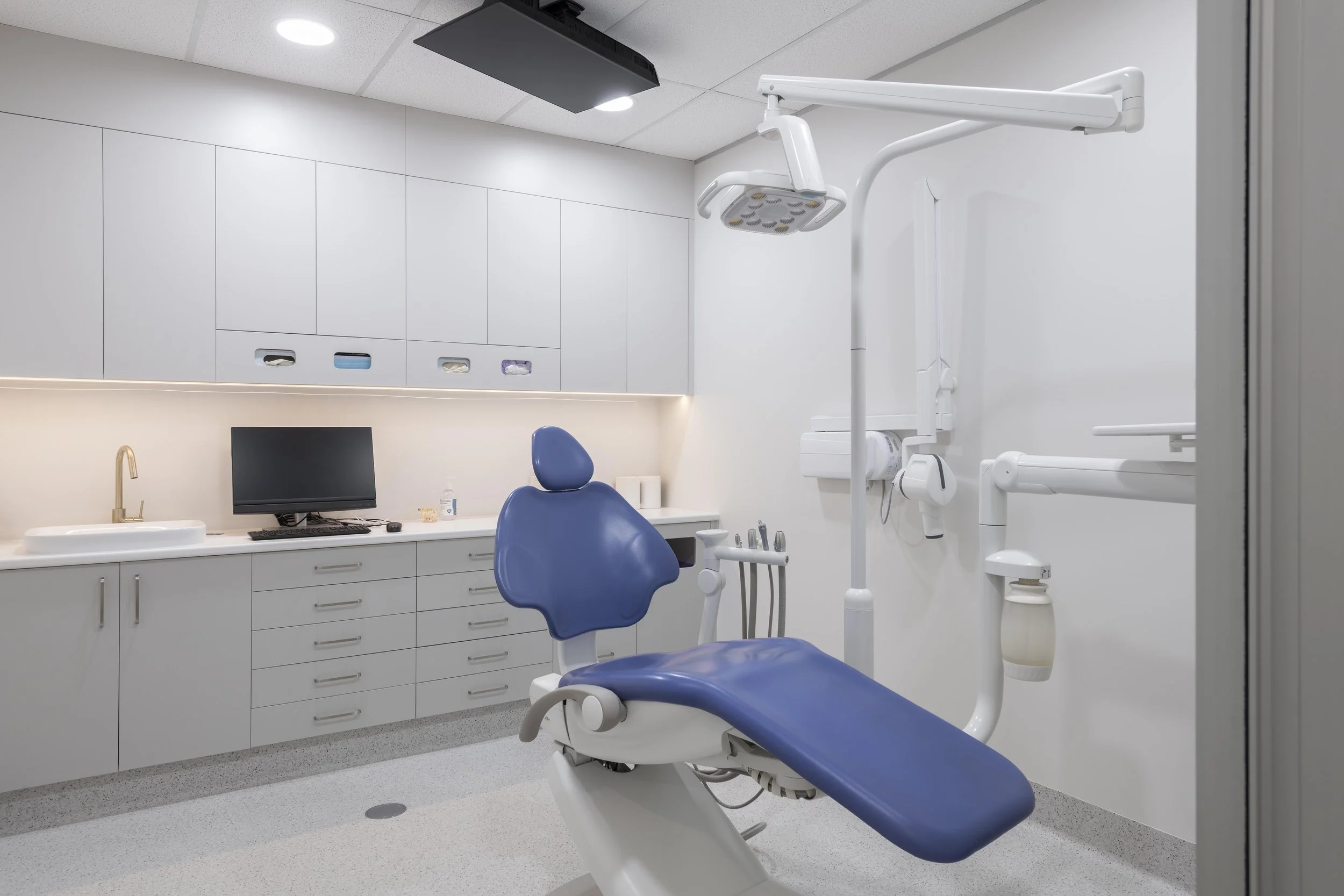
Walk into a medical clinic and you notice things fast. Not the branding first. Not the logo on the wall. You notice the chairs. The lighting. Whether the reception desk feels welcoming or like a barrier. You notice if the hallway feels cramped when two people pass each other. You notice if the waiting room makes you more nervous than you already were. That’s the quiet power of good medical clinic fitouts.
People usually think fitouts are mostly about appearance. Fresh paint, better flooring, modern furniture. Sure, that matters. But honestly, the bigger story sits underneath all that. Workflow. Comfort. Privacy. Staff movement. Infection control. Little details patients may not consciously name, but they definitely feel. And when it’s done well, medical clinic fitouts make the whole place work better without shouting about it. That’s the goal.
Patients Feel the Space Before They Understand It
A clinic visit already comes with stress. Maybe it’s a child with a fever. Maybe someone is waiting on test results. Maybe it’s just a routine check-up, but even then, people arrive carrying something—worry, tiredness, impatience, pain. The physical environment adds to that.
Bad layout makes everything feel heavier. Harsh fluorescent lights. Reception desks with no privacy. A waiting room where everyone can hear your conversation at the front desk. It happens more often than clinics realise. Good medical clinic fitouts reduce that friction.
Soft lighting. Better acoustics. Clear signage. Comfortable seating that doesn’t feel like punishment. Space for prams, wheelchairs, and older patients with walkers. These things aren’t decorative extras. They’re practical comfort. And patients remember them. Not always consciously. But they do.
Reception Desks Shape First Impressions Fast
Reception is where everything starts. You walk in, and within about ten seconds, you decide how organised this clinic feels. That’s not dramatic. It’s true.
A cluttered front desk creates tension. Patients queue awkwardly. Staff scramble for files. Phones ring. Someone asks for directions to the pathology room. Another person wants to pay. It becomes chaos quickly. Smart medical clinic fitouts fix this before it becomes daily frustration.
Reception zones need flow. Separate check-in and payment areas help. Better desk height improves privacy. Storage hidden behind clean design reduces visual mess. Staff need room to move without bumping into each other every twenty minutes.
Simple things. But they change everything. Sometimes the best fitout decision is just giving reception staff enough drawer space. Not glamorous. Very useful.
Waiting Rooms Should Calm People, Not Test Their Patience
Most people spend more time waiting than being treated. That’s just reality. So the waiting room matters more than clinics often think.
Good medical clinic fitouts create waiting areas that feel calm instead of crowded. Seating placement matters. Not everyone wants to sit shoulder-to-shoulder with strangers while coughing politely into their sleeve.
Natural light helps. So does air circulation. Small things like charging points, accessible seating, children’s corners, and practical pathways make a difference.
I’ve seen clinics where parents are balancing toddlers, bags, and paperwork and somehow still trying to answer insurance questions. Space planning matters in those moments. It’s not luxury. It’s a basic function.
Consultation Rooms Need Privacy and Practicality
This part gets overlooked. Consultation rooms are where trust happens. Or doesn’t. Patients need privacy, obviously, but they also need comfort. If the room feels rushed, cramped, or overly clinical, conversations change. People hold things back. That matters.
Medical clinic fitouts should make consultation rooms functional for staff and reassuring for patients. Enough movement space. Easy access to equipment. Good sound insulation so sensitive conversations stay private.
Nobody wants to discuss health concerns while hearing the next room’s appointment through the wall. Acoustic privacy is one of those invisible wins. When it’s missing, everyone notices.
Staff Workflow Quietly Decides Clinic Success
Patients see the front end. But the back-end workflow? That decides whether the clinic survives busy Mondays. Doctors, nurses, admin teams—they move constantly. Files, equipment, medications, cleaning schedules, appointment flow. If the layout fights them, every day becomes harder than it should be. This is where medical clinic fitouts stop being “design” and become operations.
Storage placement matters. Treatment room positioning matters. Pathways between consultation rooms and admin areas matter. Staff break areas matter too, even though they’re often the last thing considered.
Burnout doesn’t come only from workload. Sometimes it comes from spending years working in a badly designed space. That sounds small. It isn’t.
Hygiene and Compliance Need to Feel Natural
Healthcare spaces have strict standards for good reason. But there’s a balance. A clinic should feel clean and safe without feeling cold and intimidating. Patients shouldn’t feel like they’ve walked into a laboratory unless they actually have. Professional medical clinic fitouts help create that balance.
Easy-to-clean surfaces. Proper ventilation. Smart zoning for infection control. Durable flooring. Safe handwashing stations. Compliance requirements built into design instead of awkwardly added later.
Because retrofitting problems after opening costs more. Usually much more. And honestly, patients notice cleanliness immediately. Sometimes before they even sit down.
Accessibility Should Never Feel Like an Afterthought
Accessibility gets talked about a lot. Sometimes only in checklists. But real accessibility is lived experience. Can an elderly patient move comfortably from reception to consultation? Can a parent with a pram navigate without apologising every two minutes? Can someone with mobility challenges use the bathroom without needing assistance?
Good medical clinic fit-outs ask those questions early. Door widths. Corridor spacing. Accessible counters. Bathroom design. Signage visibility. Flooring transitions. The details are practical, not theoretical. And when accessibility is done well, it feels normal. Which is exactly how it should feel.
Future Growth Needs Space Now, Not Later
Many clinics outgrow themselves quietly. At first, it’s manageable. One extra practitioner. Then another. Suddenly storage is overflowing, and staff are using corners as workstations. Growth sneaks up. That’s why smart medical clinic fitouts plan beyond today.
Technology upgrades, additional treatment rooms, flexible spaces for allied health services—future-proofing saves serious money later. Especially in growing suburbs where patient demand changes fast. Renovating twice because the first layout was too short-sighted? Painful. A little planning early avoids that. Mostly.
It’s Not About Fancy; It’s About Functional
Some people hear “fitout” and picture expensive finishes and designer furniture. That’s not really the point. The best medical clinic fitouts often don’t look flashy at all. They just work.
Patients move easily. Staff feel less stressed. Appointments run smoother. Privacy improves. Hygiene feels natural. The clinic grows without breaking itself.
That’s success. Not marble reception counters. Though yes, nice counters are fine too. Still, function wins. Always.
Final Thought
A medical clinic is more than rooms and furniture. It’s where people arrive worried. Where families wait for answers. Where staff spend long days trying to keep things moving. The physical space shapes all of that, quietly, every single day.
That’s why medical clinic fitouts from Juma Projects matter so much. Not because they make a clinic look impressive, but because they help people feel better before treatment even begins. Comfort matters. Flow matters. Privacy matters.
And sometimes the difference between a stressful visit and a manageable one starts with something as simple as better lighting, a quieter waiting room, or a reception desk designed by someone who actually thought about Monday mornings. That part matters too.
