

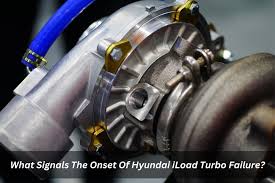
It usually doesn’t begin with a breakdown. That’s the strange part. Most Hyundai iLoad Engine problems start quietly. A slightly rougher start in the morning. A sound that wasn’t there last month. Maybe a little hesitation pulling away from traffic lights. Nothing dramatic. So people keep driving.
And honestly, that makes sense. Work vans are busy vehicles. They’re moving constantly. Deliveries, tools in the back, long days on the road. Most owners don’t have time to analyse every tiny change.
But if you talk to mechanics who work on the Hyundai iLoad Engine regularly, they’ll tell you the same thing. The early signs are usually there. Small. Easy to dismiss. Until they aren’t.
The Morning Start That Feels Slightly Different
This one gets overlooked a lot. The van still starts. That’s the thing. It just takes a fraction longer. Maybe the ignition feels rougher. Maybe there’s a brief vibration before it settles. Many drivers shrug it off. Cold morning. Bad fuel. Long week.
But changes in startup behaviour can sometimes point to deeper Hyundai iLoad Engine issues beginning to form. Fuel delivery problems. Injector wear. Compression changes. Not always serious immediately. But worth noticing.
That Tiny Loss of Pull Going Uphill
Here’s where it gets tricky. Performance changes slowly. You drive the same vehicle every day, so you adapt without realising. The van feels a bit heavier on hills. Overtaking takes slightly longer. Acceleration feels less sharp. Nothing dramatic enough to stop driving.
But over time, a weakening Hyundai iLoad Engine often reveals itself through these gradual shifts. Reduced efficiency. Turbo issues. Airflow restrictions. The problem is, because it happens slowly, drivers normalise it.
Sounds You Start Turning the Radio Up For
Mechanics hear this one all the time. “There was a noise for a while, but I thought it was nothing.” Clicks. Knocks. Slight rattles during idle.
The Hyundai iLoad engine is generally reliable when properly maintained, but, like any diesel work vehicle, it communicates through sound long before failure.
And drivers often adapt in funny ways. Windows up. Music louder. Ignore it for another week. Then another.
The Oil Change That Gets Delayed “Just This Once”
Life gets busy. A service reminder pops up, and you think, I’ll do it next week. For many commercial drivers, next week becomes next month.
The problem is, the Hyundai iLoad engine depends heavily on consistent oil quality, especially under heavy use. Long drives. Stop-start traffic. Carrying loads daily.
Missed servicing intervals don’t always cause immediate damage. That’s why it feels harmless. But internally, wear starts increasing quietly.
Smoke That Wasn’t There Before
This part usually catches attention faster. A little extra exhaust smoke. Maybe darker than usual. Maybe more noticeable during acceleration. Drivers often notice it in reflections first. Rear-view mirrors. Garage doors. Traffic behind them.
Changes in smoke output can point to several Hyundai iLoad engine concerns. Fuel mixture problems. Turbocharger wear. Injector issues. Not every case is major. Still worth checking.
The Van That Suddenly Uses More Fuel
Fuel economy shifts slowly, too. A driver might just assume prices are higher or routes have changed. But sometimes the vehicle itself becomes less efficient.
An aging or struggling Hyundai iLoad engine often consumes more fuel before obvious mechanical failure appears.
It’s one of those signs that feels vague on its own. Combined with others, though? Different story.
Heat Builds Quietly
Overheating doesn’t always mean steam pouring from under the bonnet. Sometimes it’s more subtle.
Temperature gauges creeping slightly higher than normal. The cooling fan is running longer. Heat lingering after shorter trips.
The cooling system plays a huge role in protecting the Hyundai iLoad Engine, especially in Australian conditions where long drives and warmer weather put extra strain on diesel vehicles.
And once overheating becomes consistent, damage can escalate fast.
That One Dashboard Light Everyone Hopes Will Disappear
We’ve all seen it happen. A warning light appears briefly. Then disappears. Relief. But intermittent warning lights are often early indicators that the Hyundai iLoad Engine management system has detected irregularities before drivers fully notice symptoms themselves.
Sensors pick up inconsistencies early. Airflow changes. Fuel pressure fluctuations. Emission system issues. Ignoring temporary warnings tends to delay repairs until the problem becomes harder to avoid.
Work Vans Rarely Get Rest
This matters more than people think. The Hyundai iLoad Engine is commonly used in working environments. Trades. Deliveries. Transport. Constant movement. And commercial vehicles often stay on the road longer each day than private cars. Which means wear accumulates differently.
A van doing daily stop-start city driving experiences very different strain compared to occasional weekend use. That workload adds up quietly over time.
Mechanics Often Spot Patterns Before Drivers Do
Experienced workshops notice recurring themes. Cooling system neglect. Delayed oil servicing. Turbo wear caused by inconsistent maintenance.
The Hyundai iLoad Engine itself isn’t necessarily fragile. In fact, many last well when properly maintained. But small habits make a difference. Shortcuts tend to show up eventually.
The “Still Drivable” Trap
This phase lasts longer than people realise. The van still runs. Still starts. Still works well enough to keep using. So repairs get postponed.
But “still drivable” doesn’t always mean healthy. A stressed Hyundai iLoad Engine can continue operating while internal wear quietly worsens.
And because the vehicle remains functional, urgency disappears. Until the repair becomes much larger.
Preventative Maintenance Isn’t Very Exciting. But It Works.
Nobody gets excited about servicing. That’s just reality. But preventative care is usually what separates long-lasting Hyundai iLoad engine performance from expensive breakdowns later on.
Regular oil changes. Cooling system inspections. Injector checks. Proper diagnostics when small symptoms appear. Not glamorous. Still important.
The Human Side of Engine Problems
There’s usually a story attached to breakdowns. Missed jobs. Delayed deliveries. Stress sitting roadside waiting for assistance. Rearranged schedules.
For business owners especially, Hyundai iLoad engine reliability affects more than transport. It affects income. Timing. Reputation. That’s why early attention matters.
Not because every small issue becomes catastrophic, but because preventing downtime matters.
Sometimes the Signs Only Make Sense Afterwards
This happens a lot. Drivers look back and realise the clues were there all along. The slower starts. Reduced pulling power. Extra smoke. Strange sounds.
Individually, they seemed minor. Together, they painted a clearer picture of a Hyundai iLoad engine needing attention.
Why Early Action Usually Costs Less
Most mechanics will say the same thing. Smaller issues are easier to manage early. A worn hose. Minor injector servicing. Cooling system maintenance.
Compared to full engine rebuilds or major component failures, preventative repairs are generally far more manageable financially. And less disruptive.
The Goal Isn’t Perfection. Just Awareness.
No vehicle stays flawless forever. Especially work vehicles. But noticing small changes early gives drivers options. More time. More flexibility.
And with a heavily used Hyundai iLoad engine, awareness matters almost as much as maintenance itself. Because the warning signs rarely arrive all at once.
They build slowly. Quietly. Often in ways that don’t feel urgent… until suddenly they are.
