

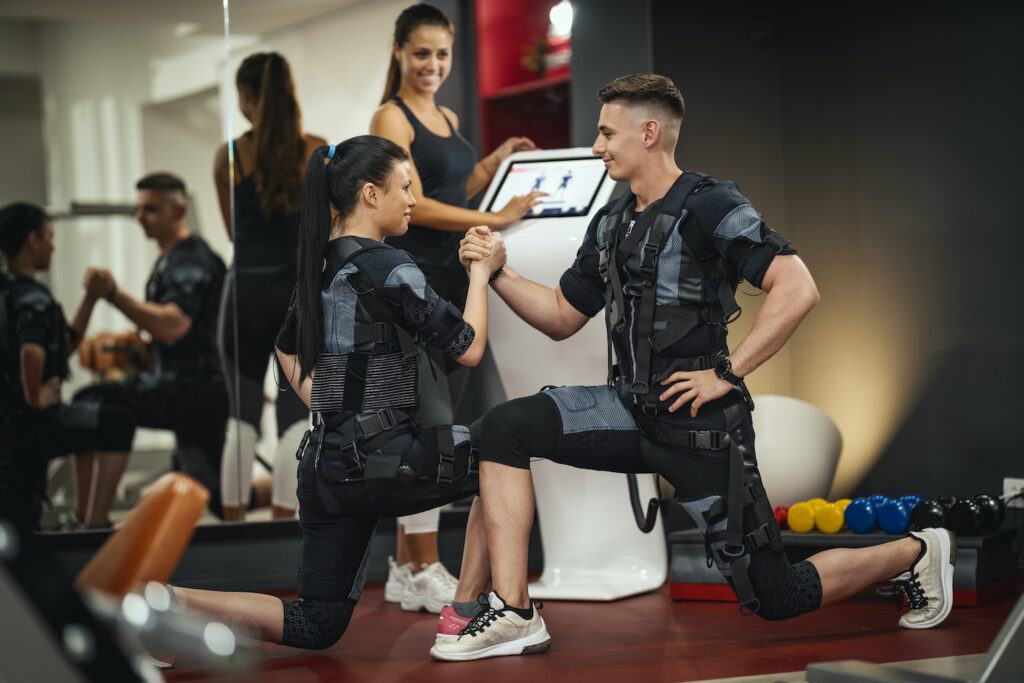
The fitness industry is undergoing a seismic shift. Subscription-based models are replacing rigid gym memberships, and technology is redefining what a workout can look like. At the intersection of these two trends sits EMS—Electrical Muscle Stimulation—a technology that uses targeted electrical impulses to activate muscles more deeply than conventional exercise alone. Once reserved for physical therapy clinics and elite athletic training, muscle stimulator machines have entered the mainstream, promising faster results in shorter sessions. But here’s the real question: can EMS technology genuinely transform the way we engage with subscription fitness? For tech-savvy individuals who value flexibility, crave advanced training options, and resist long-term commitments, the pairing of EMS devices with subscription platforms could be a game-changer. This article explores that synergy in depth. We’ll break down how EMS works, examine why subscription fitness resonates with modern users, and look at real-world examples that are merging hardware innovation with software-driven programming. Whether you’re exploring EMS for the first time or evaluating whether a subscription add-on is worth it, you’ll find actionable insights to guide your decision.
Demystifying EMS Technology: Beyond the Muscle Stimulator Machine
EMS technology works on a fundamentally different principle than traditional exercise. Rather than relying solely on your brain’s voluntary signals to contract muscles, a muscle stimulator machine delivers controlled electrical impulses through electrodes placed on the skin. These impulses reach deeper muscle fibers that conventional movements often miss, creating involuntary contractions that complement your active effort. The result is a training method that can achieve significant muscle activation in sessions lasting just 20 to 30 minutes—a fraction of the time spent in a typical gym workout. Beyond efficiency, EMS supports faster recovery by increasing blood flow to targeted areas, reduces joint stress by minimizing heavy loading, and activates stabilizer muscles that many people neglect entirely.
The Science Behind Electrical Muscle Stimulation
When your brain tells a muscle to move, it sends an electrical signal through motor neurons. EMS replicates this process externally. The device generates low-frequency electrical pulses that travel through the skin and stimulate motor nerves, triggering muscle contractions identical in mechanism to those your nervous system produces naturally. Research published in journals like the Journal of Strength and Conditioning Research has demonstrated that EMS, when combined with voluntary exercise, can improve maximum strength output and muscle hypertrophy more effectively than exercise alone. Safety profiles are well-established—modern devices operate within carefully calibrated parameters, and adverse effects are rare when used according to guidelines.
Key Features of Modern Muscle Stimulator Devices
Today’s EMS devices have evolved far beyond clinical equipment. They feature wireless electrode pads with conductive gel interfaces, Bluetooth connectivity for app-based control, and adjustable intensity levels that let users scale from gentle activation to high-intensity contractions. Programmability is central—users can select pre-built protocols for strength, endurance, or recovery, or customize pulse width, frequency, and duration manually. For tech-savvy audiences, integration with smartphones means real-time feedback, session tracking, and algorithm-driven recommendations that adapt over time. The hardware has become sleek, portable, and intuitive enough to use without professional supervision.
The Subscription Fitness Revolution: What Tech-Savvy Users Crave
The subscription fitness model has exploded in recent years, driven by a generation of users who expect the same on-demand flexibility from their workouts that they get from streaming entertainment or software services. Traditional gym memberships—with their annual contracts, cancellation fees, and one-size-fits-all facilities—feel increasingly outdated. In their place, subscription fitness platforms offer rolling monthly access, constantly refreshed content libraries, and personalized programming that evolves with the user. For tech-savvy individuals, this model aligns with how they consume everything else: modular, cancelable, and data-rich. The appeal isn’t just convenience; it’s the promise of continuous improvement without stagnation. Users want access to advanced training programs that challenge them progressively, not a static set of machines they’ll outgrow in months. They also want transparency—clear value for what they’re paying, with optional tiers rather than bundled features they’ll never use. This demand for flexibility without sacrifice is precisely where EMS-integrated subscriptions find their audience.
Why Tech-Savvy Users Opt for Subscription Models
The motivations run deeper than mere convenience. Personalization tops the list—algorithms that learn training preferences, adjust difficulty, and recommend recovery protocols feel native to users accustomed to curated digital experiences. Community features matter too: leaderboards, shared challenges, and social accountability layers transform solitary home workouts into connected experiences. Perhaps most critically, subscription models let users test before committing deeply. A monthly plan with a muscle stimulator machine means you can evaluate whether EMS genuinely fits your routine before investing further in premium program tiers. This try-before-you-commit psychology resonates strongly with audiences skeptical of fitness industry hype. Understanding what optional subscription benefits actually deliver—versus what’s marketing fluff—becomes essential, and the best platforms make that distinction transparent through free trials, tiered access, and clear feature breakdowns.
Advanced Training Programs Enhanced by EMS Technology
EMS technology doesn’t simply replace traditional exercise—it amplifies it. When layered into advanced training programs, electrical muscle stimulation creates a multiplier effect that accelerates outcomes across three core fitness domains: strength, endurance, and recovery. For strength-focused sessions, EMS intensifies compound movements like squats and lunges by forcing deeper muscle fiber recruitment during each rep, meaning you achieve overload without piling on external weight. Endurance protocols use lower-intensity, higher-frequency pulses during sustained activity—think cycling or bodyweight circuits—to delay fatigue and train muscles to maintain output longer. Recovery programs flip the script entirely, using gentle stimulation to promote circulation, flush metabolic waste, and reduce delayed-onset muscle soreness between hard sessions. What makes this genuinely compelling for modern users is the ability to switch between these modalities within a single week of programming, all guided by app-driven protocols that adjust based on performance data. A muscle stimulator machine paired with structured programming transforms from a passive gadget into an active training partner. Users who’ve plateaued with conventional routines often find that adding EMS breaks through stagnation by challenging the neuromuscular system in ways it hasn’t adapted to yet.
Customizing Workouts with EMS for Optimal Results
Tailoring EMS sessions starts with defining your primary goal—hypertrophy, functional strength, cardiovascular endurance, or active recovery—because each demands different pulse parameters. For muscle building, higher intensity with moderate frequency and longer pulse widths drives maximal contraction. For endurance, lower intensity at higher frequencies sustains activation without early burnout. Begin each new protocol at conservative intensity levels and increase incrementally across sessions as your tolerance and neuromuscular coordination improve. Subscription platforms add significant value here by rotating program libraries monthly, introducing periodization cycles that prevent adaptation, and offering goal-specific tracks you can switch between without designing anything from scratch. The best services also incorporate feedback loops: logging session difficulty, tracking strength benchmarks, and using that data to recommend when it’s time to progress or deload. This combination of hardware customization and software-driven programming intelligence gives users a level of workout precision that was previously available only through expensive personal coaching.
Sweetmyo Device: A Case Study in EMS Subscription Integration
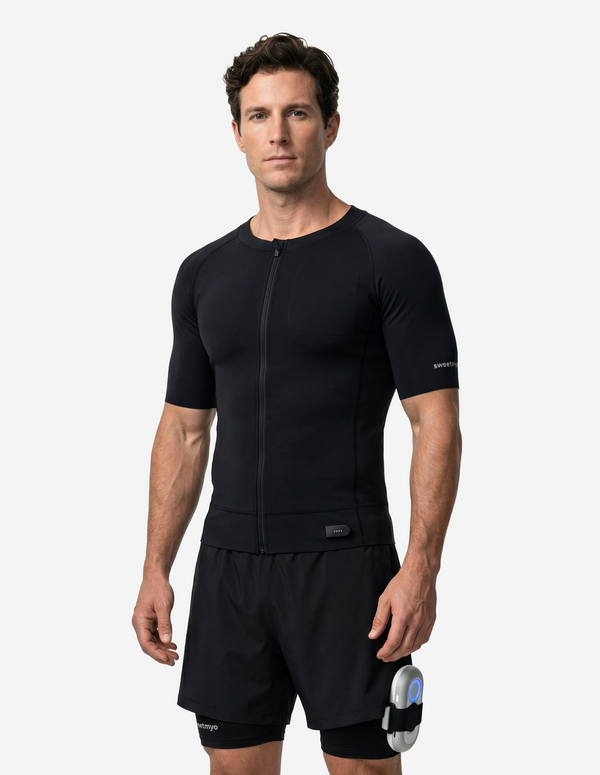
To understand how EMS and subscription fitness converge in practice, Sweetmyo offers a compelling reference point. This device represents a new generation of muscle stimulator machines designed from the ground up to work within a subscription ecosystem rather than as a standalone piece of hardware. The Sweetmyo unit itself features wireless electrode technology, app-controlled intensity management, and a compact form factor that fits into a gym bag or bedside drawer. What distinguishes it from conventional EMS devices is its software layer—a companion app that serves as the training brain behind the hardware. Users gain access to guided EMS workout programs spanning strength building, endurance conditioning, and post-workout recovery, all structured into progressive cycles that evolve as the user advances. The subscription model means the content library isn’t static; new programs, seasonal challenges, and updated protocols roll out regularly, keeping the experience fresh in ways a one-time-purchase device simply cannot. For tech-savvy users, the integration feels seamless—session data syncs automatically, progress dashboards visualize trends over weeks and months, and algorithm-driven suggestions remove the guesswork from program selection. This isn’t just a muscle stimulator machine with an app bolted on; it’s a connected fitness platform where hardware and software reinforce each other continuously.
How Sweetmyo Stands Out in the Market
Compared to other EMS devices that ship with a fixed set of pre-loaded programs and limited update pathways, Sweetmyo’s subscription architecture creates ongoing value. Many competing muscle stimulator machines offer strong initial hardware but leave users to figure out programming on their own—or pay separately for third-party coaching. Sweetmyo collapses that gap by bundling advanced training programs directly into its subscription tiers, so users access expert-designed periodization without sourcing it independently. The platform also differentiates through its flexibility: monthly subscription options mean users aren’t locked into annual contracts, and tiered access lets beginners start with foundational programs before unlocking more specialized content as their confidence and fitness grow. Community features—shared workout completions, milestone badges, and optional group challenges—add a social dimension that isolated EMS training typically lacks. For users evaluating whether EMS subscription fitness delivers real substance or just marketing polish, Sweetmyo provides a tangible case where the device, the programming, and the subscription model are engineered to function as a single coherent system rather than disconnected parts.
Practical Solutions: Accessing Advanced Programs Without Commitment
The biggest barrier for tech-savvy users considering EMS isn’t skepticism about the technology—it’s the fear of being locked into something that doesn’t deliver. Fortunately, the subscription fitness landscape has matured enough to offer genuine flexibility. The key is approaching your entry strategically rather than impulsively. Start by identifying platforms that offer meaningful trial periods—not just a 24-hour teaser, but enough time to complete several EMS sessions and gauge how your body responds. Next, prioritize subscription tiers that scale with your usage. A well-designed platform will let you access foundational EMS programs at a lower tier and unlock specialized content—sport-specific training, advanced periodization, or recovery intensives—only when you’re ready to invest more. Pay-as-you-go options, where they exist, eliminate recurring charges entirely for users who train sporadically or seasonally. The goal is matching your financial commitment to your actual engagement level, not paying for features that sit unused. Devices that build flexibility into their subscription architecture make this practical rather than theoretical—monthly billing without penalties, easy pausing during travel or busy periods, and transparent feature breakdowns that let you see exactly what each tier adds.
Step-by-Step Guide to Finding Commitment-Free EMS Fitness
Begin by researching EMS devices that pair hardware with app-based subscriptions rather than standalone units with no programming support. Compare what’s included at baseline versus what requires a paid tier—some platforms gate essential features behind paywalls while others offer robust free access with premium upgrades. Once you’ve narrowed options, activate any available free trial and commit to using it consistently during the trial window; sporadic use won’t give you enough data to evaluate results. During this period, test multiple program types—strength, endurance, and recovery—to determine which modality resonates with your goals. Track subjective metrics like energy levels, soreness reduction, and workout enjoyment alongside objective ones like session completion rates. After the trial, assess whether the subscription’s rotating content and algorithm-driven recommendations genuinely add value beyond what you could achieve with static programs. If they do, select the lowest tier that covers your needs and revisit quarterly. This methodical approach ensures you’re investing based on evidence from your own experience rather than marketing promises, giving you full control over commitment depth at every stage.
Maximizing Value: Understanding Optional Subscription Features
Not all subscription features are created equal, and understanding which optional add-ons genuinely enhance your EMS experience is critical to getting real value from your investment. Most EMS subscription platforms structure their offerings in tiers, with a base layer covering fundamental workout programs and device connectivity, and premium layers introducing features that deepen personalization and engagement. Personalized coaching stands out as one of the highest-value additions—algorithm-driven or human-guided program adjustments based on your performance history can accelerate progress far beyond generic templates. Updated training programs released on a regular cycle prevent the neuromuscular adaptation plateau that makes static routines lose effectiveness over time; fresh stimulus keeps your body responding. Community access—group challenges, leaderboards, and shared milestones—might seem superficial, but research on behavioral adherence consistently shows that social accountability increases long-term workout consistency. Beyond these, some platforms offer advanced analytics dashboards that visualize muscle activation patterns, track recovery readiness, and flag overtraining risks before they become injuries. For EMS users specifically, features like automatic intensity calibration based on session history or integration with wearable heart rate monitors add layers of training intelligence that standalone devices simply cannot replicate.
Evaluating When Optional Features Are Worth It
The decision to upgrade hinges on three factors: your fitness goals, your training frequency, and your budget tolerance. If you train with your muscle stimulator machine three or more times per week and pursue specific outcomes like hypertrophy or sport-specific conditioning, premium programming and personalized recommendations will likely deliver measurable returns that justify the cost. Occasional users who train once a week for general wellness may find baseline access sufficient. Ask yourself whether you’re currently designing your own EMS protocols or relying on guided programs—if you depend on structured guidance, investing in a tier that refreshes content regularly prevents staleness and keeps progression on track. Budget-wise, compare the subscription cost against what equivalent personal coaching would run; most EMS platforms deliver comparable programming intelligence at a fraction of that expense. Finally, take advantage of any tier upgrade trials before committing. Spend a full billing cycle at the higher level, use every feature available, and then honestly assess which ones you engaged with and which sat dormant. This evidence-based evaluation ensures you’re paying only for what actively contributes to your results, keeping your subscription lean and your training sharp.
EMS Subscription Fitness: The Future of Flexible, Tech-Driven Training
EMS technology has moved well beyond its clinical origins to become a legitimate force in the subscription fitness landscape. Muscle stimulator machines now deliver the kind of deep muscle activation, accelerated recovery, and time-efficient training that modern users demand—and when paired with subscription platforms, the experience becomes dynamic rather than static. Devices like Sweetmyo demonstrate what this convergence looks like in practice: hardware and software working as a unified system, with regularly updated advanced training programs, algorithm-driven personalization, and flexible billing that respects users’ autonomy. For tech-savvy individuals who refuse to settle for rigid contracts or stale routines, this combination addresses both core needs—accessing cutting-edge programming without long-term commitment and understanding exactly which optional features deliver genuine value. The trajectory ahead points toward even deeper integration, with AI-driven coaching, biometric feedback loops, and community-powered accountability becoming standard rather than premium. EMS-enhanced subscription fitness isn’t a passing trend; it’s an evolution in how we train, recover, and stay engaged over the long term. If you’ve been weighing whether to explore this space, start with a trial, test it against your own goals, and let your results—not marketing—guide your next step.
