

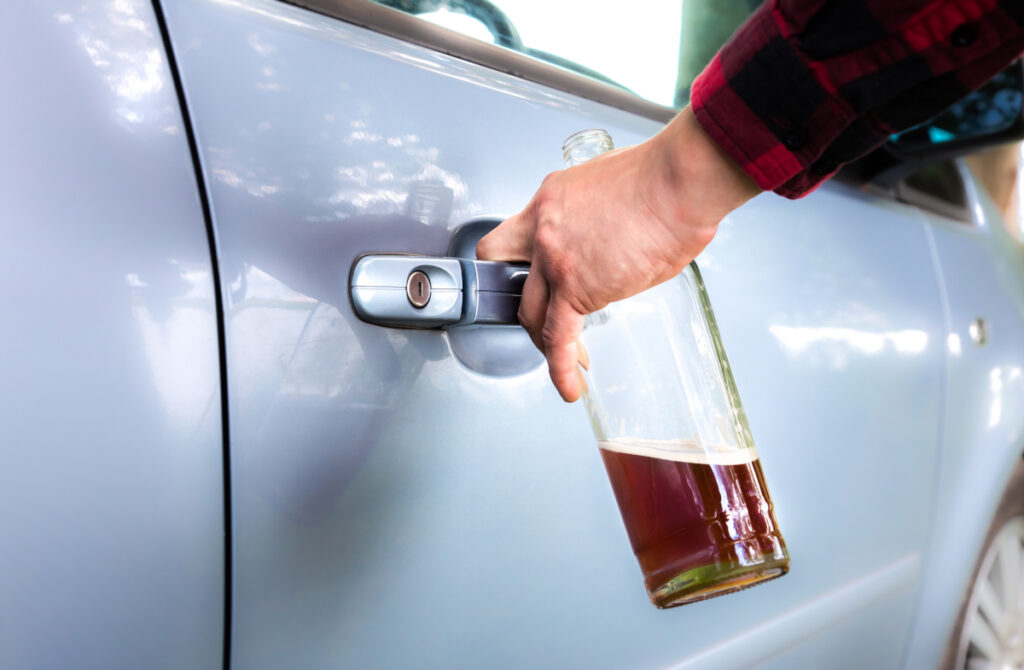
Driving while intoxicated is a serious offense in every state, but the consequences become much more severe when an accident is involved. Felony DWI charges after an accident can change nearly every part of a person’s life. From legal penalties and financial stress to career problems and damaged relationships, the impact can last for many years. Many people do not fully understand how serious these charges are until they face them firsthand.
A felony DWI is different from a standard misdemeanor drunk driving case. Courts often upgrade a DWI offense to a felony when the accident causes serious injuries, death, property damage, or when the driver has prior drunk driving convictions. These cases are treated harshly because they involve a high level of danger to public safety. Prosecutors and judges may seek stronger punishments to discourage repeat behavior and protect the community.
Understanding the long-term consequences of felony DWI charges after an accident is important for anyone dealing with this legal situation. A conviction can affect employment opportunities, professional licenses, family life, insurance costs, and even personal freedom. Learning about the process can also help individuals make informed decisions about legal representation, rehabilitation, and future planning.
Understanding Felony DWI Charges After an Accident
Felony DWI charges after an accident usually happen when a drunk driving incident causes serious harm or when aggravating factors exist. In many states, a DWI becomes a felony if someone is badly injured or killed in the crash. Some states also treat repeat DWI offenses as felonies, especially if the driver has several previous convictions on their record.
Law enforcement officers take these cases seriously from the moment the accident occurs. Police may conduct sobriety tests, breathalyzer tests, blood alcohol concentration testing, and interviews at the scene. If officers believe alcohol or drugs played a role in the crash, the driver may be arrested immediately. Evidence collected during the investigation can later be used in court to support criminal charges.
Felony drunk driving cases often involve more than one charge. A person may face accusations such as vehicular assault, intoxication assault, vehicular manslaughter, reckless driving, or leaving the scene of an accident. Each additional charge can increase the penalties and make the legal process even more complicated. Courts may also examine whether the driver showed reckless behavior, excessive speeding, or disregard for public safety.
The penalties connected to Felony DWI Charges After an Accident can be severe. Punishments may include years in prison, heavy fines, probation, community service, mandatory alcohol treatment programs, and long-term driver’s license suspension. Some states also require ignition interlock devices after a conviction. These devices prevent a car from starting if alcohol is detected on the driver’s breath.
A felony conviction creates a permanent criminal record that may follow a person for life. Unlike minor traffic violations, felony offenses are viewed as serious crimes. Employers, landlords, licensing agencies, and educational institutions often conduct background checks that reveal felony convictions. This can create major obstacles even after the legal penalties are complete.
The Legal Consequences and Court Process
The legal process for felony DWI charges after an accident can be stressful and confusing. After an arrest, the accused person may go through several court appearances, including arraignments, pretrial hearings, negotiations, and possibly a trial. Because these cases are serious, prosecutors usually spend significant time building evidence against the defendant.
One of the first challenges involves securing legal representation. A skilled criminal defense attorney who understands DWI laws can review the evidence, question police procedures, and identify possible weaknesses in the case. In some situations, attorneys may challenge the accuracy of field sobriety tests or blood alcohol testing methods. They may also negotiate plea agreements to reduce charges or penalties when possible.
During the court process, prosecutors often focus on proving negligence and intoxication. They may use witness statements, accident reconstruction reports, surveillance footage, toxicology results, and police observations as evidence. If injuries occurred, medical reports and victim testimony may also play a major role in court proceedings.
Sentencing for felony drunk driving offenses depends on several factors. Judges may consider the driver’s criminal history, blood alcohol level, the severity of injuries, and whether children were present in the vehicle. Repeat offenders often face harsher punishments because courts view repeated drunk driving behavior as a serious threat to society.
In some cases, plea bargains are possible. A plea agreement may reduce prison time or lower certain charges if the defendant agrees to plead guilty. However, this depends on the circumstances of the accident and the prosecutor’s willingness to negotiate. Cases involving severe injuries or fatalities are less likely to receive lenient treatment.
Probation conditions for felony DWI cases can also be strict. Courts may require regular alcohol testing, counseling sessions, curfews, travel restrictions, and frequent meetings with probation officers. Violating probation rules can result in additional penalties or jail time. Many individuals underestimate how demanding these requirements can become during daily life.
Appeals may be available after conviction, but the process can be expensive and time-consuming. Appellate courts review whether legal errors occurred during the trial. Successful appeals are not guaranteed, which is why building a strong defense early in the process is extremely important.
Financial and Career Problems After a Felony DWI
The financial impact of felony DWI charges after an accident can be overwhelming. Legal fees alone can cost thousands of dollars, especially when expert witnesses, investigators, and court expenses are involved. Many people also face large fines imposed by the court after conviction.
Car insurance rates often increase dramatically after a felony drunk driving conviction. Some insurance companies may cancel policies completely because they consider the driver too high-risk. Finding affordable coverage afterward can become difficult, and some drivers may be forced to use expensive high-risk insurance providers.
Medical expenses and civil lawsuits can create additional financial stress. If the accident caused injuries or property damage, victims may file personal injury claims seeking compensation. Civil cases are separate from criminal court proceedings, which means a driver may face financial liability even after completing criminal sentencing.
Employment challenges are another major concern. Many employers hesitate to hire individuals with felony records, especially for positions involving driving, security, healthcare, education, or financial responsibility. Background checks can reveal convictions years later, making career advancement harder even after rehabilitation.
Professional licenses may also be affected. Nurses, teachers, commercial drivers, lawyers, and other licensed professionals could face suspension or revocation of their credentials. Licensing boards often review felony convictions carefully because they reflect concerns about public safety and personal judgment.
People working in transportation industries face especially difficult consequences. Commercial driver’s license holders may lose their ability to work entirely after a felony DWI conviction. This can force individuals to change careers and rebuild their professional lives from the beginning.
College students and young adults may also experience educational setbacks. Certain scholarships, internships, and housing opportunities can become unavailable due to criminal records. International travel may become harder as some countries restrict entry for people with felony convictions.
Financial pressure from lost income, court costs, and higher insurance rates can affect families as well. Some households struggle with debt, housing instability, or emotional stress during and after the legal process. These challenges often continue long after court cases are resolved.
Personal Relationships and Emotional Effects
Felony DWI charges after an accident do not only affect legal status and finances. They can also deeply impact emotional health and personal relationships. Many people experience shame, anxiety, depression, and fear during the legal process. Public embarrassment and social judgment may make the situation even harder to manage.
Family relationships often become strained after a serious drunk driving accident. Spouses, parents, and children may struggle with trust issues, emotional pain, or financial stress caused by the incident. In some cases, custody disputes or family court issues may arise if the conviction affects parental responsibilities.
Friendships and community relationships may also change. Some individuals lose social support because people distance themselves after hearing about the charges. Others may feel isolated because they are embarrassed or afraid of being judged. Emotional stress can grow stronger if the accident caused injuries or fatalities.
Mental health challenges are common during criminal proceedings. Court appearances, media attention, financial pressure, and uncertainty about the future can create overwhelming anxiety. Some individuals experience sleep problems, panic attacks, or emotional breakdowns while waiting for case outcomes.
Substance abuse treatment programs are often required as part of sentencing, but they can also help people rebuild their lives. Counseling, rehabilitation programs, and support groups may provide valuable tools for preventing future alcohol-related problems. Courts sometimes view participation in treatment positively during sentencing decisions as well.
Victim impact can also weigh heavily on defendants emotionally. Knowing that another person was injured because of impaired driving may lead to long-lasting guilt and emotional trauma. Some people struggle for years with regret and self-blame after serious accidents.
Community reputation may suffer significantly after a felony DWI conviction. News reports, online records, and public court documents can make it difficult to move past the incident. Rebuilding trust with family members, employers, and the community often requires patience and consistent personal growth over time.
Despite these challenges, some individuals eventually rebuild stable and productive lives after conviction. Commitment to treatment, responsible decision-making, and positive lifestyle changes can help people regain trust and improve their future opportunities.
Steps to Protect Your Future After a DWI Accident
Facing felony DWI charges after an accident is frightening, but taking the right steps early can make a difference. One of the most important actions is contacting an experienced DWI defense attorney as soon as possible. Legal guidance can help individuals understand their rights, avoid costly mistakes, and build the strongest possible defense.
Following all court orders carefully is also essential. Missing court dates, violating probation rules, or ignoring legal requirements can make the situation worse. Judges often look more favorably on defendants who show responsibility and respect for the legal process.
Seeking alcohol treatment or counseling early may also help both legally and personally. Rehabilitation programs can demonstrate accountability and a willingness to change harmful behavior. In some cases, participation in treatment programs may support reduced sentencing or alternative penalties.
Maintaining honest communication with family members can help reduce emotional strain during the process. Support systems play an important role in recovery and future stability. Friends and family members may also help individuals stay focused on positive changes and responsible choices.
Financial planning is another important step after a felony DWI case. Legal costs, insurance increases, and possible job loss can create serious challenges. Creating a realistic budget and seeking financial advice may help reduce long-term stress.
People with felony convictions should also learn about expungement or record-sealing laws in their state. While serious felony offenses are often difficult to remove from public records, some legal options may exist after completing sentencing requirements. An attorney can explain whether any future relief options are available.
Career rebuilding may require patience and persistence. Some individuals choose additional education, certifications, or job training to improve employment opportunities after conviction. Employers may be more willing to consider applicants who demonstrate rehabilitation and personal growth over time.
Avoiding future legal trouble is critical. A second felony DWI offense can bring even harsher penalties, including longer prison sentences and permanent license revocation. Responsible decision-making, safe transportation planning, and avoiding impaired driving entirely are necessary steps for protecting the future.
Conclusion
Felony DWI charges after an accident can affect nearly every part of a person’s life, including freedom, finances, relationships, and career opportunities. These serious criminal charges often lead to harsh legal penalties, emotional stress, and long-lasting consequences that continue long after court proceedings end. A felony conviction can damage professional goals, create financial hardship, and permanently change how others view an individual.
While the situation may feel overwhelming, understanding the legal process and taking responsible action can help reduce some of the long-term damage. Working with an experienced attorney, following court requirements, seeking treatment, and making positive life changes are important steps toward rebuilding stability. The consequences of drunk driving accidents are serious, but individuals who commit to accountability and personal growth may still find ways to move forward and create a better future.
