

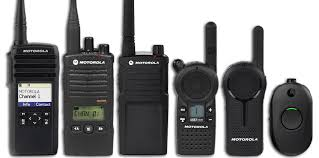
Businesses increasingly rely on instant communication tools to coordinate operations, improve safety, and maintain productivity. Among the many technologies available, two-way radio systems continue to play a significant role across industries such as construction, logistics, security, manufacturing, and event management. Understanding how communication technology supports workplace efficiency can help organisations make informed decisions about operational processes.
The Role of Communication in Modern Operations
Effective communication is essential for organisations that manage large teams, multiple locations, or time-sensitive activities. Delays in sharing information can lead to reduced productivity, misunderstandings, and operational disruptions. While mobile phones and digital messaging platforms are commonly used, many workplaces still depend on radio communication for immediate and reliable contact.
Radio systems allow employees to communicate with groups or individuals instantly without the need to dial numbers, wait for connections, or rely on mobile network availability. This can be particularly important in environments where rapid coordination is necessary.
Industries That Depend on Two-Way Radio Communication
Several sectors continue to utilise radio technology as part of their daily operations.
Construction Sites
Construction projects often involve multiple teams working simultaneously across large areas. Site managers, equipment operators, and safety personnel need immediate communication to coordinate tasks and respond to changing conditions. Radios provide a practical solution where noise levels, distance, and environmental factors may limit other forms of communication.
Warehousing and Logistics
Distribution centres and warehouses rely on efficient coordination between staff responsible for receiving, storing, picking, and shipping goods. Quick communication helps maintain workflow efficiency and reduce delays. Radio systems enable workers to communicate instantly regarding inventory movements, loading schedules, and operational issues.
Security Services
Security teams frequently monitor large facilities, events, and public spaces. Communication between personnel is critical when responding to incidents, directing resources, or sharing updates. Radio networks allow security staff to remain connected in real time across wide areas.
Hospitality and Events
Hotels, conference venues, and event organisers often use communication systems to coordinate staff responsible for guest services, maintenance, catering, and security. Rapid communication helps ensure smooth operations and quick responses to customer needs.
Advantages of Radio-Based Communication
Radio communication remains relevant because it offers several operational benefits.
Instant Connectivity
Unlike telephone calls that require ringing and answering, radio communication allows users to transmit messages immediately. This reduces delays and supports faster decision-making.
Group Communication
A single transmission can reach multiple team members simultaneously. This is particularly useful when sharing updates, instructions, or emergency information with an entire workforce.
Reliability
Radio systems often continue functioning in environments where mobile coverage may be weak or unavailable. Some systems operate independently of public communication networks, reducing dependence on external infrastructure.
Ease of Use
Most radio devices feature straightforward controls that can be operated while performing other tasks. This simplicity can be valuable in fast-paced working environments where speed and efficiency are priorities.
The Evolution of Business Radio Technology
Communication technology has evolved significantly over the past several decades. Traditional analogue systems have increasingly been supplemented or replaced by digital solutions offering enhanced features and improved performance.
Modern business walkie talkie radios often provide clearer audio quality, extended battery life, and additional functionality such as text messaging, GPS tracking, and emergency alert capabilities. Digital systems may also support better signal coverage and more efficient use of available radio frequencies.
As organisations adopt newer communication technologies, radio systems continue to adapt to changing workplace requirements while maintaining their core advantages of speed and reliability.
Factors Influencing Radio System Selection
Choosing an appropriate communication system depends on several operational considerations.
Coverage Requirements
Different workplaces require varying communication ranges. A small warehouse may need only limited coverage, while large industrial facilities or outdoor operations may require wider network capabilities.
Environmental Conditions
Work environments can affect equipment performance. Construction sites, manufacturing plants, and outdoor locations may require devices designed to withstand dust, moisture, impacts, and temperature variations.
Team Size
The number of employees using the system influences channel capacity and communication management. Larger teams may require more advanced systems to ensure effective coordination.
Regulatory Considerations
Radio communications are subject to regulations governing frequency use and licensing requirements. Organisations must ensure compliance with relevant rules and standards when implementing communication systems.
Future Trends in Workplace Communication
The future of workplace communication is likely to involve greater integration between radio systems and digital technologies. Organisations increasingly seek unified communication platforms that combine voice, messaging, location tracking, and operational data.
Advancements in network infrastructure and device capabilities may further enhance communication efficiency across industries. Despite the growth of mobile applications and cloud-based platforms, radio communication continues to offer practical advantages in environments where immediate, reliable contact remains essential.
As industries evolve, communication systems will continue to play a central role in supporting safety, productivity, and operational coordination. By understanding the strengths and applications of different technologies, organisations can select communication solutions that align with their operational needs and workforce requirements.
