

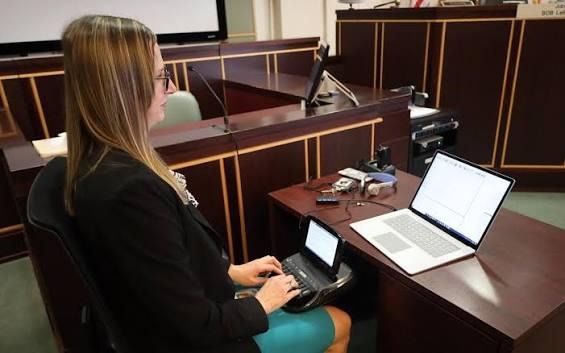
Court reporting plays a vital role in the legal system by creating a precise and permanent record of everything said during legal proceedings. Whether in a courtroom, deposition, arbitration, hearing, or administrative meeting, accurate transcripts help attorneys, judges, and other legal professionals rely on an official account of the proceedings.
Modern court reporting has evolved far beyond traditional shorthand. Today, court reporters use advanced stenographic equipment, digital recording technology, and real-time transcription software to deliver highly accurate records quickly and efficiently. In addition to preparing transcripts, many court reporting firms provide litigation support services such as remote depositions, video conferencing, exhibit management, and transcript synchronization.
This guide explains what court reporting is, why it is important, the services offered by court reporting firms, and the key factors to consider when choosing a reliable provider.
What Is Court Reporting?
Court reporting is the process of creating a verbatim written record of spoken testimony and legal proceedings. A trained court reporter captures every question, answer, objection, ruling, and statement exactly as spoken, ensuring that no important details are omitted.
These official transcripts become part of the legal record and may be used during appeals, case preparation, settlement negotiations, and future legal proceedings.
Court reporting is commonly used in:
- Court trials
- Depositions
- Arbitration hearings
- Mediations
- Administrative hearings
- Public meetings
- Corporate legal proceedings
- Government hearings
Accurate documentation ensures transparency, accountability, and fairness throughout the legal process.
Why Court Reporting Is Essential
A reliable transcript is one of the most valuable resources in litigation. It provides an objective record that can be referenced whenever questions arise about testimony or courtroom events.
Court reporting supports the legal process by:
- Preserving an exact record of proceedings
- Assisting attorneys during trial preparation
- Supporting appeals with official transcripts
- Preventing disputes over witness testimony
- Improving courtroom efficiency
- Helping judges review complex cases
- Providing documentation for future legal actions
Without accurate court reporting, legal professionals would have to rely on memory or handwritten notes, increasing the risk of misunderstandings and errors.
How Court Reporting Works
Court reporting involves several carefully coordinated steps.
Scheduling the Proceeding
The process begins when attorneys, law firms, or courts schedule a deposition, hearing, or trial with a court reporting provider. The reporting firm coordinates logistics, assigns a qualified court reporter, and confirms any additional services such as video recording or remote participation.
Capturing the Proceedings
During the proceeding, the court reporter records every spoken word using specialized stenographic equipment or approved digital recording systems. Professional reporters are trained to maintain accuracy even during fast-paced questioning or when multiple participants are speaking.
Many reporters also produce real-time transcripts, allowing attorneys and judges to follow testimony as it is spoken.
Preparing the Transcript
After the proceeding concludes, the reporter carefully reviews, edits, and formats the transcript to ensure it accurately reflects the record. Quality control measures are often used to verify spelling, speaker identification, timestamps, and legal terminology.
The finalized transcript is then delivered to authorized parties in printed, digital, or searchable electronic formats.
Skills of a Professional Court Reporter
Court reporters require a unique combination of technical expertise and professional discipline.
Essential skills include:
- Exceptional listening ability
- Fast and accurate typing or stenography
- Strong command of grammar and punctuation
- Knowledge of legal terminology
- Excellent concentration
- Attention to detail
- Confidentiality and professionalism
- Time management
These skills allow court reporters to produce transcripts that meet the high standards required in legal proceedings.
Types of Court Reporting Services
Modern court reporting firms offer a wide range of services beyond traditional courtroom transcription.
Deposition Reporting
Depositions are among the most common assignments for court reporters. Accurate deposition transcripts help attorneys evaluate testimony, prepare witnesses, and build stronger cases.
Real-Time Court Reporting
Real-time reporting allows participants to view live transcription on computers or tablets as testimony occurs. This service helps attorneys identify inconsistencies, make notes, and prepare follow-up questions immediately.
Remote Depositions
Virtual depositions have become increasingly common. Court reporting firms provide secure online platforms that allow attorneys, witnesses, interpreters, and court reporters to participate from different locations.
Video Depositions
Many firms coordinate professional video recording alongside written transcripts. Video testimony may be useful when witnesses cannot attend trial or when visual presentation strengthens the evidence.
Legal Transcription
Some providers also transcribe recorded legal proceedings, interviews, meetings, and hearings into certified written documents.
Benefits of Professional Court Reporting Services
Hiring an experienced court reporting firm offers numerous advantages.
Accurate Legal Records
Professional reporters create precise transcripts that minimize errors and preserve testimony exactly as delivered.
Faster Turnaround
Established firms often provide expedited transcript delivery for urgent legal deadlines while maintaining quality standards.
Litigation Support
Many providers offer integrated services such as exhibit management, electronic document sharing, interpreter coordination, and transcript synchronization.
Advanced Technology
Leading court reporting firms use secure digital platforms, cloud-based transcript delivery, and remote conferencing technology to improve efficiency and accessibility.
Reliable Scheduling
Experienced firms maintain networks of qualified reporters, allowing them to handle complex scheduling requirements and multi-location proceedings.
What to Look for in a Court Reporting Firm
Choosing the right court reporting provider can significantly affect the success and efficiency of legal proceedings. Before selecting a firm, consider several important factors.
Experienced and Certified Reporters
Look for firms that work with highly trained and certified court reporters who have experience handling different types of legal proceedings.
Accuracy Standards
A reputable provider should have rigorous quality control procedures to ensure transcripts are complete, accurate, and professionally formatted.
Comprehensive Services
The best firms offer more than transcription alone. Services such as remote depositions, video recording, interpreter coordination, and litigation support can simplify case management.
Reliable Customer Support
Legal proceedings often involve last-minute schedule changes. A responsive customer service team can quickly address logistical issues and help ensure proceedings continue without unnecessary delays.
Secure Technology
Confidential legal information requires secure handling. Choose a firm that uses encrypted file transfers, secure online repositories, and privacy-focused technology to protect sensitive data.
Nationwide Coverage
For firms handling cases in multiple jurisdictions, nationwide scheduling capabilities and access to qualified reporters in different locations can be a significant advantage.
The Role of Technology in Modern Court Reporting
Technology continues to transform the court reporting profession.
Today’s reporting firms frequently use:
- Digital transcript management
- Cloud-based document delivery
- Secure client portals
- Artificial intelligence-assisted editing tools
- Remote deposition platforms
- Video conferencing systems
- Real-time streaming technology
- Electronic exhibit management
These innovations improve efficiency while maintaining the accuracy and integrity required for official legal records.
Common Challenges in Court Reporting
Although technology has improved the profession, court reporters still face several challenges.
These include:
- Multiple people speaking simultaneously
- Technical legal terminology
- Heavy accents or unclear speech
- Fast-paced questioning
- Long proceedings requiring sustained concentration
- Tight transcript delivery deadlines
Professional training and experience enable skilled reporters to manage these challenges while maintaining a high level of accuracy.
The Future of Court Reporting
As legal practices continue to embrace digital transformation, court reporting services are becoming more flexible and technology-driven. Hybrid proceedings, remote participation, cloud collaboration, and AI-assisted tools are expanding the ways transcripts are created and delivered.
Despite these advancements, the expertise of trained court reporters remains indispensable. Human judgment is essential for identifying speakers, interpreting context, resolving ambiguities, and ensuring that the official record is complete and reliable.
Final Thoughts
Court reporting is a cornerstone of the legal system, providing an accurate and impartial record of proceedings that supports fairness, transparency, and accountability. From courtroom trials and depositions to arbitration hearings and virtual legal meetings, professional court reporters help preserve the integrity of the legal process.
When selecting a court reporting service, it is important to evaluate the provider’s experience, accuracy standards, technology, customer support, and range of litigation support services. A dependable court reporting firm can improve efficiency, reduce administrative burdens, and provide the reliable transcripts attorneys and courts depend on.
As legal technology continues to evolve, professional court reporting will remain an essential service, combining advanced tools with skilled expertise to ensure every word is captured accurately and every legal proceeding is documented with precision.
