

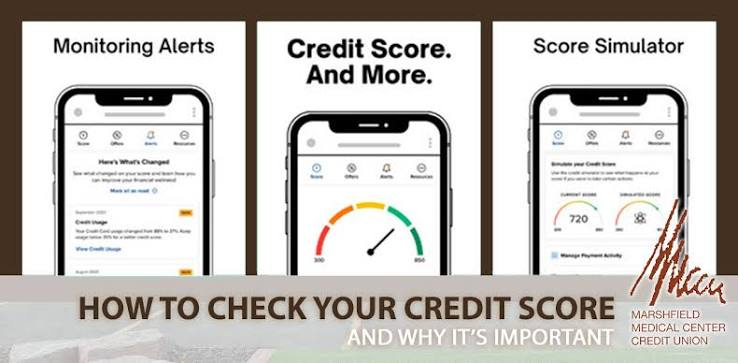
To check a credit score, you need your date of birth, PAN, registered mobile number and consent to access your credit information. Some services also request an email address or additional identity verification. These details help match your identity with records maintained by credit bureaus and retrieve the correct credit report.
Banks and NBFCs report details about loans, credit cards, repayments and outstanding dues, which contribute to your credit score. You do not need to apply for a new loan or credit card to access your score, nor do you need to enter every borrowing detail manually. Accurate identification information, secure verification and permission to access your report are the primary requirements.
Which Details Do You Need to Check Your Credit Score?
The details required depend on the service, but the following information helps identify you and retrieve the correct credit report.
| Detail | Purpose |
| Full name | Matches the report to the correct individual |
| Date of birth | Supports identity verification |
| PAN | Helps match credit accounts to the borrower |
| Mobile number | Supports OTP verification and account access |
| Email address | Provides report access details and service communications |
| Consent to access the report | Authorises the service to retrieve credit information |
Your PAN is particularly useful because lenders report credit account information using identifying details. However, entering your PAN alone does not guarantee access to a score. The service might require additional information or an OTP to verify your identity.
Use your details only on a legitimate website or trusted service. Check the website address before entering sensitive information, and never share an OTP with someone who contacts you unexpectedly.
Is PAN Enough to Check a Credit Score?
PAN helps match your identity to credit records, but it is not a credit report. A report contains details of credit accounts, outstanding balances, repayment records, enquiries and other information used to calculate your score.
If you want to check credit score free, review the details required by the service before submitting your personal information. The process usually involves verifying your identity through details such as your name, date of birth, PAN and mobile number. Always check that the service uses secure verification methods and explains how your information will be used.
A legitimate service should explain what information it needs and how your report will be accessed. Avoid websites promising guaranteed loans in exchange for your PAN or asking for unnecessary banking credentials.
What Information in Your Credit Report Affects Your Score?
The personal details used to retrieve a report are different from the financial information that influences your score. The score reflects credit-related behaviour recorded in the report, not simply the fact that you own a PAN card or earn a particular salary.
In India, credit bureaus such as CRIF High Mark, Equifax and Experian India maintain credit information reported by banks and NBFCs. Their records include loan accounts, credit card balances, repayment history and credit enquiries, which contribute to credit score calculations.
Key factors include:
- Repayment history: Missed or delayed payments affect your credit record.
- Credit utilisation: High outstanding balances relative to your available credit limit can affect your score.
- Outstanding debt: Existing loan balances and credit card dues provide insight into your current credit obligations.
- Age of credit accounts: The length of your credit history contributes to score calculations.
- Credit mix: Your record of managing different types of credit is another consideration.
- Recent applications: Several credit enquiries within a short period can influence how lenders assess an application.
The weight assigned to individual factors differs across scoring models.
Your report also contains account-level details, such as loan balances, payment status and lender-reported information. Errors in these records deserve attention. For example, a loan marked overdue despite being repaid needs to be disputed with the relevant lender or credit bureau.
Only the lender or bureau responsible for the record can correct it. Reviewing the underlying information helps you understand what is influencing your score instead of focusing only on the number.
What Should You Check in Your Credit Report Before Applying for a Loan?
Check your report before applying for a personal loan, credit card or home loan. Banks assess more than the score alone. Their decisions also depend on income, existing EMIs, employment or business details, and their lending criteria. NBFCs also apply their own eligibility requirements.
Use this checklist when reviewing your report:
- Identity details: Confirm your name and other personal information are accurate.
- Account ownership: Check that every listed loan and credit card belongs to you.
- Repayment records: Look for overdue entries that do not match your payment history.
- Outstanding balances: Compare reported amounts with your latest statements.
- Credit enquiries: Check whether listed applications match credit you sought.
- Closed accounts: Verify that repaid or closed accounts show the correct status.
Keep relevant payment receipts, closure letters and lender communications if you find a discrepancy. These documents help support a dispute and explain exactly what needs correction.
What Should You Do If Your Credit Score Is Low?
Start by identifying what is affecting your score, whether it is missed payments, high balances, frequent applications or incorrect reporting. Review your credit report before deciding what to address.
Practical tips to improve credit score include paying EMIs and card bills on time, reducing credit card balances, avoiding unnecessary applications and checking for inaccurate entries. Focus on consistent repayments rather than applying for multiple products.
If you find an error, contact the relevant lender with supporting evidence. Keep complaint references and follow-up records. Paying a genuine overdue amount does not automatically remove accurate historical information, and corrections depend on the facts and the responsible institution.
Recheck your report after the lender or bureau confirms the correction. If inaccurate credit information needs attention, Oolka helps you take the next step by submitting disputes, drafting emails to lenders and following up on the issue.
Key Takeaways
Checking a credit score requires enough information to verify your identity, including your name, date of birth, PAN and mobile number. The precise requirements depend on the service you use. Your score reflects credit-related information such as repayment history, outstanding balances, credit utilisation and recent applications. Reviewing the full report helps you spot incorrect account details before they complicate a loan or credit card application.
Use a legitimate service, protect your personal information and dispute inaccurate entries with the responsible lender or credit bureau. Maintain timely repayments, manage outstanding balances and avoid unnecessary credit applications to support your credit health.
