Every home has its own constraints, and the litter box has to work inside them. An apartment with a single bathroom, a house with a curious dog, a small bedroom shared with a shy cat, a hallway that doubles as a walking path for children: each setting changes what a good box looks like. Buying by reputation alone ignores this. A model that suits a spacious laundry room may fail completely in a narrow closet, and a compact box that fits a small bathroom may be too tight for the cat using it.
The practical approach is to treat the box as one part of a system that includes the cat, the room, and the cleaning routine. This guide works through that system step by step, from measuring the cat to choosing a design that suits the space, and it ends with the adjustments that make a new box easier to adopt. The aim is a setup that feels natural rather than improvised, and that holds up on the days when nobody has time to fuss over it.
Step One: Learn What Your Cat Needs
Cats are conservative about routine, and their preferences are usually simple: enough space to dig and turn, a clean surface, and a quiet place to use it. Those three needs overlap with what owners want, which is a box that does not make a mess or a smell. When the cat’s needs come first, the owner’s needs tend to follow, because a box in steady use is easier to maintain than one the cat avoids.
Observe before you shop. Note where the cat currently eliminates, how it approaches the box, whether it scratches at the floor or the walls, and whether it waits until the box is empty before using it. These observations are more reliable than any product description. A cat that digs hard wants depth; one that stands on the edge wants more room; one that leaves the box abruptly may feel exposed. Write the pattern down before you compare models, then keep it in mind as you narrow the list.
Age, Size, and Confidence
Young kittens and senior cats need low entries, while confident adults can manage a step up or a top entry. Size matters across all ages: a box that is too small forces awkward positioning and increases the chance of misses. If your cat is still growing, choose a box sized for the adult it will become, or one with an optional low-entry configuration you can remove later. For a very large cat, look for interior dimensions rather than exterior ones, since the outer shell can hide a cramped interior.
Tracking and Privacy Preferences
Some cats are indifferent to an open box; others clearly prefer a covered one. If you are unsure, start open, since it is the option most cats accept. A hooded box can be added later by purchasing a compatible cover. Pay attention to whether your cat leaves litter scattered behind it, because that points toward a mat and a higher-sided design.
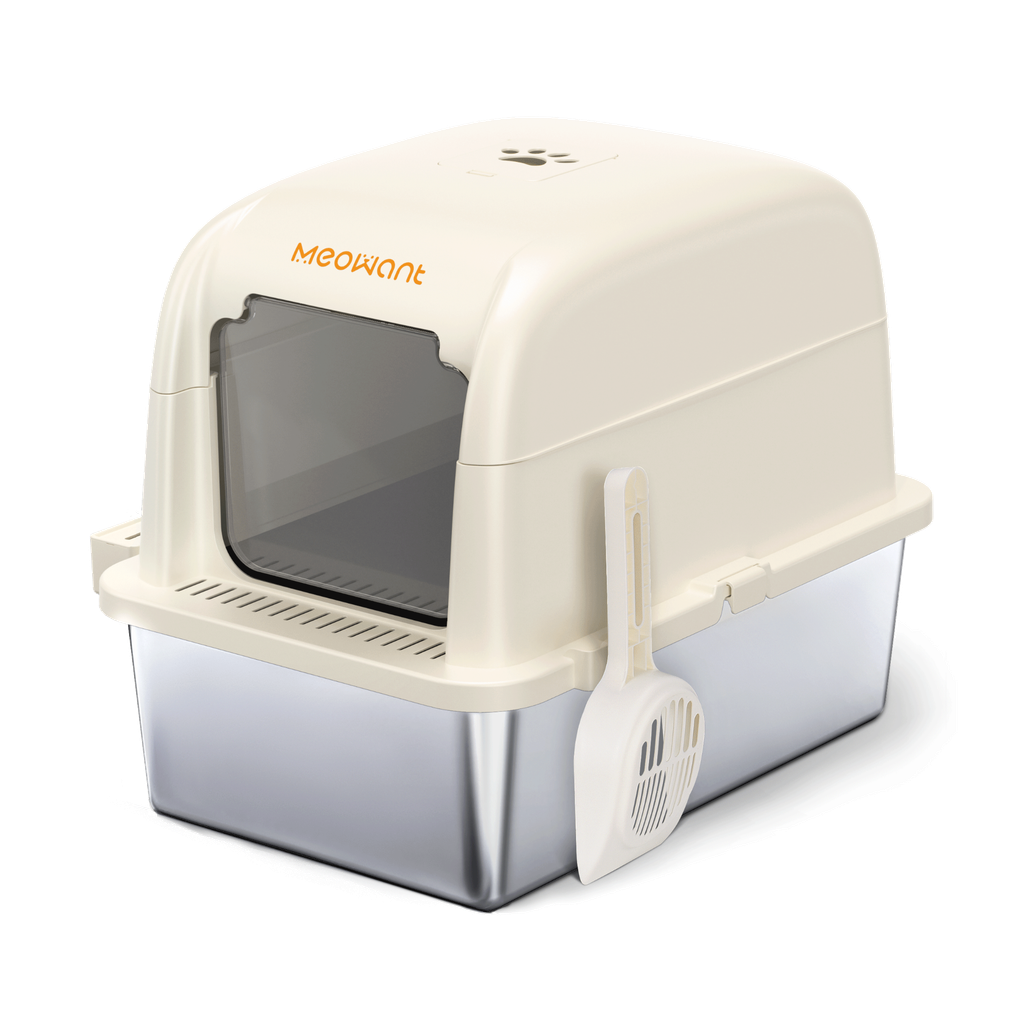
For a quick starting point, a cat litter box with a removable hood and a wide entry covers the most common needs and leaves room to adapt as the cat settles in.
Step Two: Match the Box to the Room
A box that fits the room is easier to keep clean and more likely to stay in use. Measure the available floor space, including the clearance you need to open a hood, lift a lid, or pull out a drawer. Leave at least two open sides so the cat can approach and leave without feeling cornered. In tight apartments, a corner-shaped box or a low-profile drawer model can use space more efficiently than a standard rectangular one.
Think about how the box will look in the room as well, because a box you dislike is a box you will hide, and hidden boxes tend to be poorly placed. A model that reads as furniture, with a finish that suits the room, keeps the box where it belongs: accessible and well ventilated. This is not vanity; placement quality follows from how comfortable the owner feels leaving the box in view.
Small Apartments and Shared Spaces
In a studio or a one-bathroom apartment, the bathroom is usually the best home for the box: it is quiet, ventilated, and separate from food. Place the box away from the door swing and keep a mat under the entrance to contain tracking. If the bathroom is too small for a full-size box, a taller, narrower model may fit without sacrificing interior space. Avoid tucking the box behind a shower curtain or into a corner the cat has to squeeze past.
Homes With Dogs or Children
Households with dogs need a box the cat can reach but the dog cannot. Top-entry designs and hooded boxes with offset openings solve this neatly. For younger children, the goal is to keep the box out of the main play area and low enough for the cat to enter comfortably. A baby gate with a cat-sized gap can protect a quiet corner without breaking the room’s layout.
Consider the cat’s confidence in these settings too. A cat that shares space with a lively dog often prefers a box with an escape route it can see and a wall at its back. Placing the box with a solid wall behind it and an open approach gives the cat a defensive position without isolating it. Small adjustments like this are usually more effective than an elaborate enclosure, and they cost nothing.
Step Three: Build the Cleaning Routine
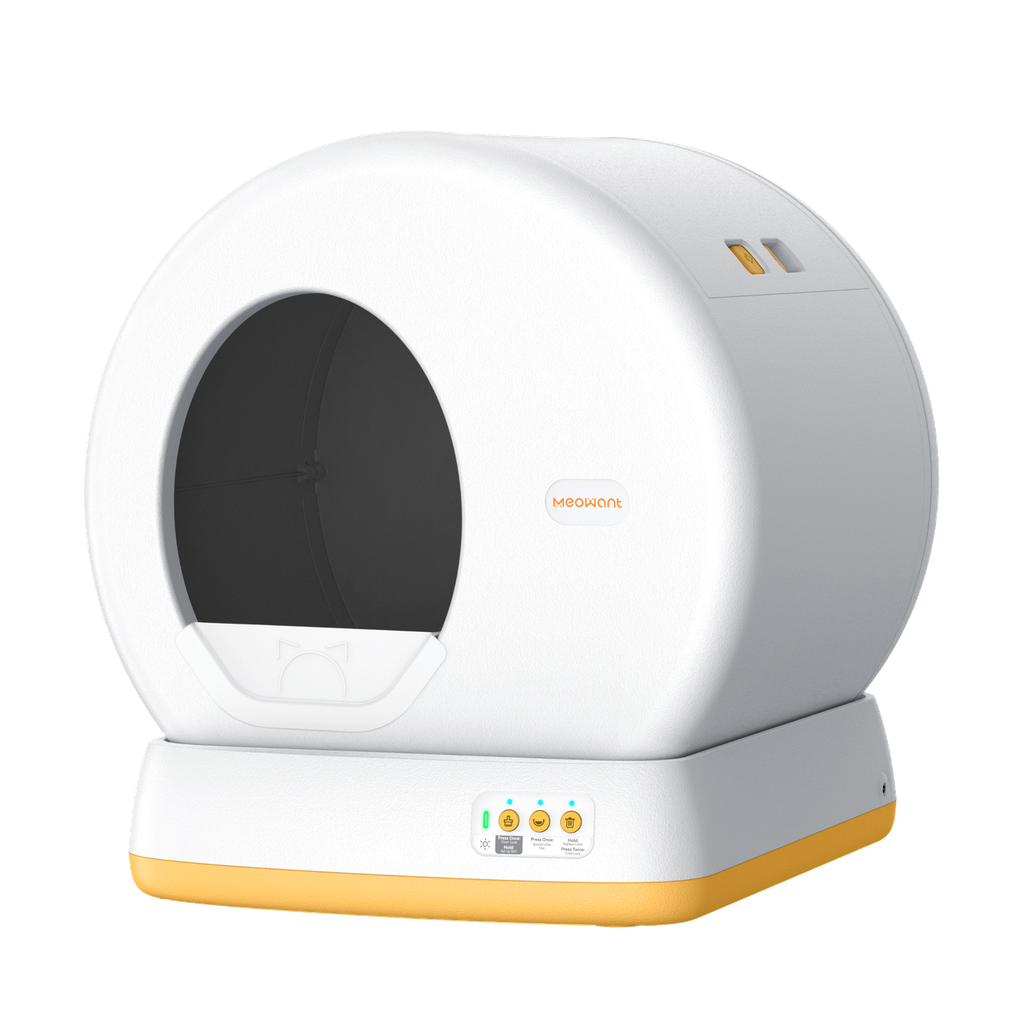
The best box in the world will smell if it is not cleaned, and the simplest box will be fine if it is. Scoop daily, top up weekly, wash monthly with mild soap and warm water, and dry the box fully before refilling. Keep a scoop and a lidded waste bin beside the box so the task stays easy. A spare liner or mat makes cleanup faster and protects the surface underneath.
Treat the routine as a checklist rather than a memory test. A short list stuck inside a cabinet door, covering scooping, topping up, washing, and replacing filters, removes the guesswork that leads to skipped steps. The routine should take minutes, not half an hour; if it takes longer, the setup is fighting you. Simplifying the process is usually cheaper and more effective than adding products to compensate for a routine that is hard to keep.
Multi-cat homes should add boxes rather than enlarge one, because cats often prefer separate spaces. The usual guidance of one box per cat plus one remains reliable. If that is not possible, clean more often and consider raising the number of boxes as space allows. The point is to reduce competition, which is the root of many sudden refusals.
Replace worn parts before they fail outright. A cracked lid, a loose latch, or a mat that no longer grips will push the box back toward the top of your attention list. Checking those components during the monthly wash keeps small issues from becoming reasons to replace the whole unit. Maintenance is the cheapest form of longevity, and it applies to the box just as much as to anything else in the house.
Step Four: Transition Without Stress
Moving to a new box is a change, and cats notice changes. Place the new box beside the old one, add a scoop of used litter, and leave both in place for about a week. Once the cat is using the new box consistently, remove the old one. If it hesitates, move the new box closer to the old location in small increments each day. Sheltering the box in a quiet spot and avoiding loud noises nearby during the first week helps the transition go more smoothly.
Track the change for a few weeks, noting whether the cat uses the new box at the same times and in the same way. A quiet adjustment is the best sign that the setup is right. When something seems off, check placement and cleanliness before assuming the box itself is at fault. Most adjustments are small, and cats settle quickly once the routine stabilizes.
A Setup That Fits the Life Around It
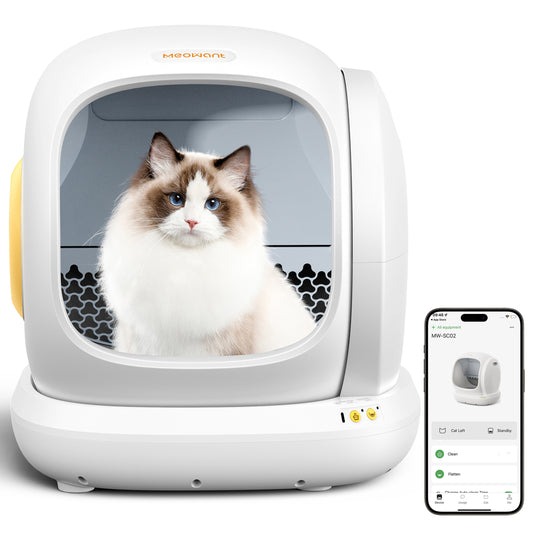
Choosing a litter box is less about finding a perfect product and more about fitting a practical system into the home you already have. When the size matches the cat, the design matches the room, and the routine is easy enough to repeat, the box becomes unremarkable in the best way. Owners stop negotiating with their cats, and cats stop looking for alternatives.
Work through the four steps in order: observe the cat, check the room, set the routine, then transition gradually. Rushing any of them costs more time later. Done patiently, the result is a setup that supports the household instead of interrupting it, and a daily task that takes a minute rather than a mood.