

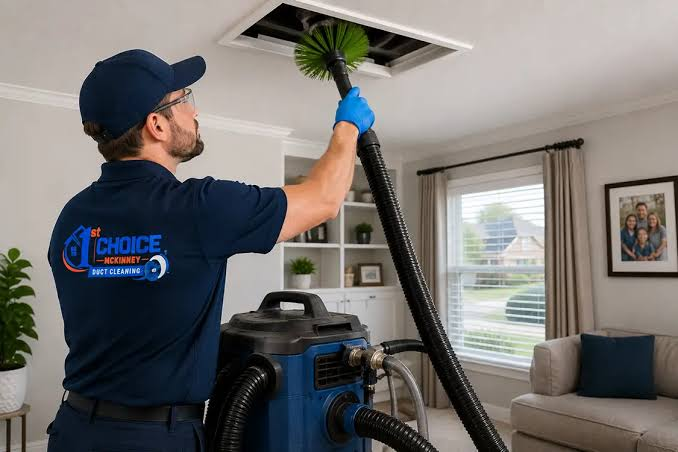
As late autumn weather settles across North Texas, homeowners in McKinney begin shifting their focus from cooling down outdoor heat to preparing interior spaces for winter warmth. The seasonal transition requires heating, ventilation, and air conditioning systems to pivot from continuous refrigeration cycles to active furnace heating. While replacing return filters is a familiar seasonal chore, internal ductwork often receives far less attention despite handling thousands of cubic feet of air every week.
During the spring and summer months, ventilation pathways collect dust, pollen, pet dander, and environmental debris brought in by regional winds and outdoor activity. Inspecting and servicing residential air distribution channels before winter heating begins ensures that thermal equipment runs smoothly, keeps energy bills manageable, and preserves indoor air hygiene when windows remain shut against cold drafts.
Seasonal Environmental Dynamics in Collin County
The geography and climate of McKinney expose residential HVAC networks to specific environmental factors throughout the year. High springtime pollen counts from native flora combine with dry, dusty summer topsoil conditions across Collin County. Central cooling units run constantly from May through September, pulling these airborne particles directly into home return registers.
| Seasonal Period | Environmental Factors | Impact on Ventilation Systems |
| Spring Cooling Start | High pollen generation from cedar, oak, and native grasses | Fine organic allergens collect along static-charged return vent lining. |
| Summer Peak Cooling | High humidity levels, long continuous HVAC runtime | Moisture on evaporator coils binds settled dust into dense internal mats. |
| Autumn Transition | Shifting temperatures, variable humidity, idle fan cycles | Loose debris settles into branch turns, plenum boxes, and lower register boots. |
| Winter Heating Burn-In | High furnace burner heat, closed windows and doors | Thermal energy bakes settled matter, dispersing dry odors throughout living areas. |
When heating equipment fires up for the first time in late fall, heat strips or gas burners ignite near settled debris. Uncleaned duct runs often release unpleasant burning smells and recirculate fine dust that settled over the summer months. Addressing these issues in early autumn prevents recurring odors and keeps indoor air fresh.
Common Contaminants Found During Fall Inspections
Inspecting residential ductwork after a long cooling season reveals a wide range of organic and inorganic matter trapped inside air supply runs and main plenums.
| Contaminant Type | Primary Origin Points | Operational and Health Impact |
| Household Dust & Skin Cells | Living areas, bedding, carpet textiles | Restricts air velocity and forms visible dust rings around ceiling registers. |
| Pet Dander & Hair | Domestic cats and dogs | Accumulates inside low-velocity return chases, triggering respiratory discomfort. |
| Pollen & Outdoor Dirt | Regional winds, open doors, foot traffic | Recirculates fine allergens through bedrooms and main living spaces. |
| Drywall & Paint Powder | Home renovations, minor wall repairs | Abrades internal fan bearings and clogs fine media filters prematurely. |
| Fungal & Mold Particulates | Condensation from AC evaporator coils | Binds with dust mats in dark, damp areas, generating persistent musty smells. |
Because modern homes are sealed tightly to maximize thermal retention, these trapped contaminants circulate repeatedly through living spaces unless physically extracted from the air pathways.
Mechanical Efficiency and Heating Performance
A dirty ventilation system directly impacts furnace efficiency and electrical consumption during cold weather. Dust accumulations acting as an insulating barrier force heating units to run longer to achieve thermostat settings.
| Operational Factor | System with Accumulated Debris | Serviced System Condition |
| Static System Pressure | High resistance due to internal blockages | Low, balanced resistance matching original equipment design |
| Blower Motor Load | Elevated electrical amperage draw and fan strain | Smooth, efficient motor operation with low electrical draw |
| Heat Exchanger Transfer | Dust acts as a thermal barrier, slowing heating | Unrestricted thermal transfer, heating spaces quickly |
| Utility Costs | Higher monthly gas or electric utility bills | Optimized fuel consumption and reliable operating costs |
Higher static pressure forces blower motors to draw additional electrical power to move air through branch lines. Over time, this extra mechanical resistance causes motor overheating, failed capacitors, and uneven room temperatures across multi-story floor plans.
Comprehensive Fall Duct Maintenance Steps
Ensuring that residential ductwork is ready for winter requires a combination of visual checks, mechanical cleaning, and protective maintenance.
1. Visual Inspection of Register Boots and Plenums
Homeowners can begin by removing supply register grilles and looking into the boot openings with a flashlight. Look for dark lint mats, plaster dust from recent repairs, or signs of moisture pooling near return air chases.
2. Duct Joint Sealing and Insulation Checks
Attic space ductwork is vulnerable to thermal expansion and settling. Check for loose foil tape, torn insulation jackets, or disconnected flex line collars. Unsealed joints allow cold, unconditioned attic air and fiberglass fibers to enter the home’s air supply.
3. Professional Mechanical Extraction
Standard household vacuums cannot pull static-bound dust out of long trunk lines or flex branches. Scheduling specialized local service, such asWarrior Air Duct Cleaning in McKinney, provides the commercial negative-pressure vacuum power and rotary agitation tools required to strip deep debris out of main plenums, coils, and supply trunks without spreading dust into living quarters.
4. Filter Optimization and Airflow Balance
Install fresh pleated air filters rated between MERV 8 and MERV 11 before running the heating system for the winter. Confirm that all furniture, rugs, and window drapes sit clear of return vents and supply grilles to maintain proper system balance.
Practical Checklist for Autumn Ventilation Care
Use this checklist to prepare residential heating and ventilation networks for the cold months ahead:
- Replace Return Air Filters: Install clean, properly fitted filters at the start of autumn.
- Clear Supply Vent Surroundings: Keep at least two feet of open space around all floor and ceiling registers.
- Clean Vent Grilles: Vacuum surface dust from return grilles using a brush attachment.
- Inspect Attic Lines: Check accessible ductwork in attics for loose connections or damaged outer jackets.
- Check Exterior Flaps: Ensure dryer vents and exterior air intake dampers open freely without bird or pest obstructions.
- Schedule Annual System Checks: Pair internal duct cleaning with a professional furnace inspection to verify burner safety and heat exchanger integrity.
Preserving Comfort and Air Quality Year-Round
Taking a proactive approach to fall duct care protects indoor air hygiene and extends the operating lifespan of expensive heating and cooling equipment. Removing summer dust, pollen, and debris before winter sets in prevents particle recirculation, lowers monthly utility bills, and ensures reliable, balanced comfort across every room in the home throughout the winter season.
